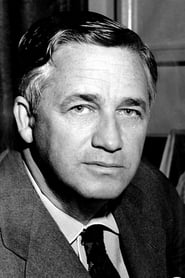
Mervyn LeRoy
Director
Born: October 15, 1900 in San Francisco, California, USA Died: September 13, 1987 Active: 1910s-1970s Birth Name: Mervyn Le Roy
Films
3 films
About Mervyn LeRoy
American film director, producer, and studio executive who became one of the key figures in early sound-era Hollywood. Born in San Francisco and raised in a period of great social and industrial change, he first entered entertainment as a performer in vaudeville and on the stage before moving into motion pictures. He began his film career in the silent era as an actor and gradually shifted behind the camera, where his practical instincts and brisk storytelling style made him especially valuable to the major studios. LeRoy emerged as an important director at Warner Bros. In the late 1920s and early 1930s, helping define the studio’s hard-edged, fast-moving realism in such landmark films as Little Caesar and I Am a Fugitive from a Chain Gang. Throughout the 1930s and 1940s he worked across genres, directing crime films, melodramas, war dramas, musicals, and socially conscious pictures, and he later became a prominent producer and production executive at MGM. In addition to directing, he produced or supervised a number of major productions and helped shape careers at the studio level, making him one of Hollywood’s most versatile behind-the-scenes figures. His influence extended well beyond his own filmography, as he helped establish the tone of the gangster film, the prison drama, and the socially aware studio picture in classic American cinema.
The Craft
Behind the Camera
LeRoy's directing style was efficient, direct, and commercially disciplined, with a strong emphasis on momentum, clarity, and emotional impact. He was especially effective in crime films and social dramas, where he combined sharp pacing with a gritty sense of realism and an instinct for audience engagement. At Warner Bros. He helped shape a tough, newspaper-like visual and narrative style that suited the studio's urban, Depression-era subjects. He was also adaptable, moving easily from hard-boiled dramas to large-scale musicals and prestige productions, showing an ability to balance spectacle with human feeling.
Milestones
- Began in entertainment as a child performer and vaudeville actor before moving into silent films
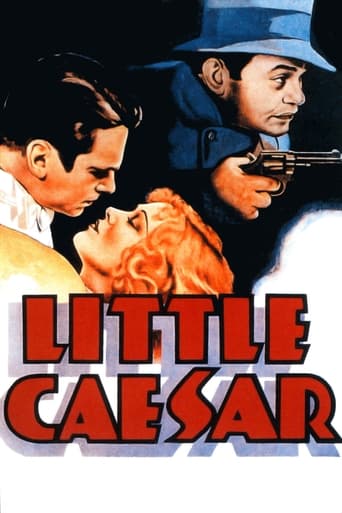
- Directed the landmark gangster film Little Caesar (1931), one of the defining early talkies of the genre
- Directed I Am a Fugitive from a Chain Gang (1932), a major social-protest drama that became hugely influential
- Helped establish Warner Bros.' reputation for fast-paced, socially topical filmmaking in the early sound era
- Directed a wide range of notable films including Gold Diggers of 1933, Twenty Thousand Years in Sing Sing, and Blossoms in the Dust
- Transitioned into major studio production work, especially at MGM, becoming an influential executive and producer
- Received an honorary Academy Award for his contributions to the motion picture industry
- Was a major Hollywood figure whose work bridged silent cinema, early talkies, and the mature studio era
Best Known For
Iconic Roles
Must-See Films
Accolades
Won
- Honorary Academy Award (1946) for contributions to the motion picture industry
Nominated
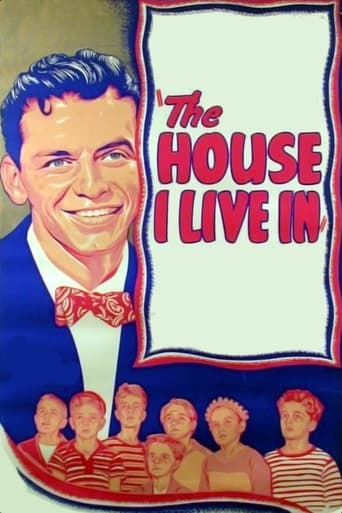
- Academy Award nomination for Best Director for The House I Live In (1945)
- Academy Award nomination for Best Director for Madame Curie (1943)
- Academy Award nomination for Best Picture for Madame Curie (as producer, 1943)
- Academy Award nomination for Best Picture for The Wizard of Oz (1939, as producer; shared credit in association with Mervyn LeRoy Productions/MGM context)
- Academy Award nomination for Best Picture for Blossoms in the Dust (1941, as producer)
- Academy Award nomination for Best Picture for Random Harvest (1942, as producer)
Special Recognition
- Honorary Academy Award (1946)
- Recognized by film historians as one of the key directors in early Warner Bros. Sound cinema
- Included in canonical histories of the gangster film and social-problem film
Working Relationships
Worked Often With
Studios
Why They Matter
Impact on Culture
Mervyn LeRoy had a major impact on American popular culture by helping define the grammar of the early sound crime film and the Depression-era social drama. Little Caesar helped establish the gangster as a modern cinematic antihero, while I Am a Fugitive from a Chain Gang brought harsh attention to prison labor and the failures of the justice system, influencing public discourse as well as later films. His Warner Bros. Work contributed to the studio's reputation for energetic, topical, urban filmmaking that contrasted with the more polished glamour of some rival studios. As a producer at MGM, he also helped shepherd prestige pictures that combined emotional appeal with commercial appeal, showing how a filmmaker could move successfully between rough-edged realism and polished studio craftsmanship.
Lasting Legacy
LeRoy's legacy rests on his role as one of the architects of the early sound-era Hollywood feature film, especially in the crime and social-protest genres. Film historians continue to regard Little Caesar and I Am a Fugitive from a Chain Gang as essential titles in the evolution of American studio filmmaking, and his name remains linked to the rise of the gangster film as a serious cultural phenomenon. His career also illustrates the broader shift in Hollywood from silent-era performer to sound-era director to studio executive, making him a valuable example of classic cinema professionalism and adaptability. Because he worked both creatively and administratively, his influence extended through films he directed, productions he supervised, and the studio culture he helped shape over several decades.
Who They Inspired
LeRoy influenced later directors of crime films, prison dramas, and socially conscious melodramas by demonstrating how entertainment could be made urgent, topical, and commercially successful at the same time. His pacing and narrative efficiency became part of the classical Hollywood toolkit, especially in studio pictures that needed to move quickly and deliver strong dramatic turns. Directors working within the gangster tradition, as well as filmmakers interested in social issues, drew from the hard-edged realism and moral intensity seen in his early Warner Bros. Work. As an executive and producer, he also influenced the industrial side of filmmaking by showing how a creative filmmaker could operate effectively within the studio system.
Off Screen
Mervyn LeRoy was married multiple times during his life and was part of Hollywood's social and professional circles for decades. He had one child, a daughter named Catherine, from his first marriage, and later family details are less central to his public persona than his studio career. Like many long-serving Hollywood figures of his generation, he moved between creative work and executive responsibilities, which kept him closely tied to the industry for much of his adult life. His personal life was occasionally noted in the press, but his reputation remained primarily that of a durable, influential filmmaker and studio man.
Education
He was not known for formal higher education; his background was largely practical, shaped by vaudeville, stage work, and early motion-picture employment.
Family
- Mildred 'Kitty' LeRoy (first marriage; dates not consistently verified in available sources)
- Dorothy Arzner (marriage reported in some references but not generally confirmed; information is inconsistent and should be treated cautiously)
- Estelle Singer (later marriage; dates not consistently verified in available sources)
Did You Know?
- LeRoy began his entertainment career in vaudeville and as a stage performer before entering films.
- He was one of the early directors to help turn the gangster film into a major Hollywood genre.
- Little Caesar made Edward G. Robinson a major star and became a model for later gangster pictures.
- I Am a Fugitive from a Chain Gang was so powerful that it contributed to public debate about prison labor.
- He worked on both gritty social dramas and glossy MGM productions, showing unusual range for a studio-era filmmaker.
- He received an honorary Oscar rather than a competitive Academy Award, reflecting his broad influence across filmmaking roles.
- His filmography includes both directing and producing credits, and he was also a significant studio executive.
- He is sometimes remembered less for a single style than for his versatility and his instinct for commercially successful storytelling.
- He was closely associated with Warner Bros. During the studio's most distinctive early sound period.
- He had a long career that bridged silent film, early talkies, and the peak years of the classical studio system.
In Their Own Words
No reliably documented, widely cited personal quotations are consistently attributed to Mervyn LeRoy in major reference sources.
He is more frequently quoted indirectly through comments about filmmaking and studio production than for a single famous aphorism.
Frequently Asked Questions
Who was Mervyn LeRoy?
American on YTB.my. He is best remembered for shaping gangster films, social-problem dramas, and major studio productions at Warner Bros. And MGM.
What films is Mervyn LeRoy best known for?
Titles linked here include Little Caesar (1931), I Am a Fugitive from a Chain Gang (1932).
When was Mervyn LeRoy born and when did he die?
Born October 15, 1900; died September 13, 1987.
What awards did Mervyn LeRoy win?
He received an Honorary Academy Award in 1946 for his contributions to the motion picture industry. He also received multiple Academy Award nominations, including directing nominations for Madame Curie and The House I Live In.
What was Mervyn LeRoy's directing style?
LeRoy's directing style was brisk, efficient, and commercially savvy, with a strong emphasis on narrative clarity and emotional punch. He was especially effective with urban realism, crime stories, and social dramas, but he could also handle musicals and prestige melodramas with equal confidence.
What is Mervyn LeRoy's legacy in film history?
His legacy lies in helping define the early sound gangster film and the socially conscious studio drama. He also stands out as a filmmaker who successfully moved between directing and producing, shaping both the creative and industrial sides of classic Hollywood.