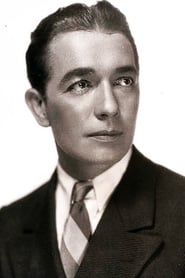
Charles Delaney
Actor
Born: August 9, 1900 in New York City, New York, USA Died: November 18, 1970 Active: 1929-1960 Birth Name: Charles Francis Delaney
Films
2 films
About Charles Delaney
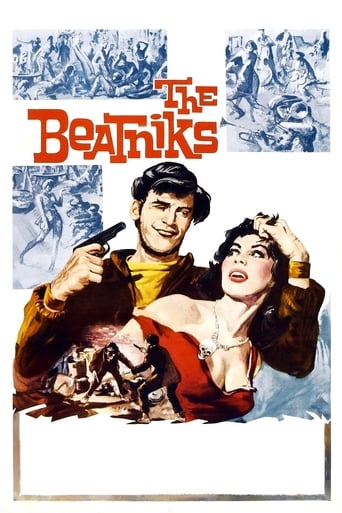
American character actor who enjoyed a prolific career spanning the Golden Age of Hollywood, appearing in over 200 films from the late 1920s through the early 1960s. Born in New York City in 1900, he entered the film industry during the pivotal transition from silent films to talkies and successfully adapted his skills for the new medium. Throughout his three-decade career, Delaney became a familiar face to movie audiences, though often in supporting roles that brought authenticity and depth to the productions. He worked with virtually every major Hollywood studio, including Warner Bros., MGM, Universal Pictures, and Columbia Pictures, demonstrating remarkable versatility across genres from crime dramas to musicals. His commanding presence and distinctive voice made him particularly effective as authority figures, and he became typecast in roles such as police officers, military men, and professionals. Despite never achieving stardom, Delaney's reliability and professionalism kept him consistently employed in an industry known for its instability. His final film appearance came in 1960's cult B-movie 'The Beatniks,' after which he retired from acting, leaving behind a substantial body of work that exemplifies the contributions of character actors to classic Hollywood cinema.
The Craft
On Screen
Charles Delaney was known for his naturalistic and understated acting style that brought authenticity to his supporting roles. He possessed a commanding presence that made him particularly effective as authority figures, and his distinctive voice carried well in early sound films, which helped him secure steady work during the transition from silent cinema. His approach was professional and reliable, fitting perfectly within the Hollywood studio system where character actors were expected to deliver consistent performances without overshadowing the stars. Delaney's versatility allowed him to convincingly portray a wide range of professional men, from police officers to doctors to military personnel, always bringing a sense of realism to his characters that helped ground the films in which he appeared.
Milestones
- Successfully transitioned from silent films to talkies
- Appeared in over 200 films during his 31-year career
- Worked with every major Hollywood studio
- Maintained steady employment throughout the Golden Age of Hollywood
- Bookended his career with notable films from 1929 to 1960
Best Known For
Iconic Roles
Must-See Films
Working Relationships
Worked Often With
Studios
Why They Matter
Impact on Culture
Charles Delaney's cultural impact lies in his contribution to the fabric of Hollywood's Golden Age as one of the countless character actors who provided the foundation for classic cinema. While never a star, his reliable performances in over 200 films helped create the authentic worlds that audiences came to expect from Hollywood productions. His ability to convincingly portray authority figures reflected and reinforced societal hierarchies and values during a period of significant American cultural change. Delaney's career trajectory, from the early sound era through the studio system's peak and into the television age, exemplifies the adaptability required of working actors during Hollywood's most transformative decades. His filmography serves as a valuable record of the types of supporting roles that were essential to Hollywood storytelling, and his presence in so many productions from different studios demonstrates the interconnected nature of the industry during its golden era.
Lasting Legacy
Charles Delaney's legacy is that of a quintessential Hollywood character actor – the kind of performer whose face audiences recognized even if they didn't know his name. His extensive filmography provides a valuable resource for film historians and classic cinema enthusiasts studying the supporting players who were essential to Hollywood's Golden Age. The longevity of his career, spanning from the early sound era through the 1950s, illustrates the stability possible for actors who were versatile, professional, and adaptable. While not a household name, Delaney's contributions to hundreds of films helped create the classic Hollywood cinema that continues to be celebrated today. His work represents the importance of character actors in bringing depth and authenticity to film productions, and his career shows the dignity and professionalism of the working actors who formed the backbone of the studio system.
Who They Inspired
As a character actor rather than a star, Charles Delaney's influence was primarily through the example he set for professional reliability and versatility in the film industry. His ability to maintain steady employment across three decades demonstrated how actors could build sustainable careers by adapting to different roles, genres, and industry changes. Delaney's successful transition from silent films to talkies provided a model for other actors facing the technological upheaval of the late 1920s. His work ethic and consistent performances influenced younger actors entering the industry, showing that success in Hollywood wasn't limited to leading roles or stardom. The professionalism he brought to every role, regardless of the film's budget or prestige, exemplified the standards of craft that helped establish Hollywood's reputation for quality entertainment during its golden age.
Off Screen
Charles Delaney led a relatively private life away from the Hollywood spotlight, focusing on his craft rather than celebrity. He was married twice during his lifetime, first to actress Mary MacLaren, with whom he shared 14 years of marriage before their divorce in 1944. Two years later, he married Virginia, with whom he remained until his death in 1970. The couple made their home in the Los Angeles area, where Delaney was respected as a reliable professional within the Hollywood community. Despite appearing in hundreds of films, Delaney maintained a low public profile and rarely gave interviews, preferring to let his work speak for itself. He had no children that are publicly known, and after retiring from acting in 1960, he lived a quiet life away from the entertainment industry until his death from natural causes at age 70.
Family
- Mary MacLaren (1930-1944)
- Virginia (1946-1970)
Did You Know?
- Charles Delaney appeared in over 200 films during his 31-year career
- He successfully transitioned from silent films to talkies in the late 1920s
- He was often typecast as authority figures due to his commanding presence
- He worked with virtually every major Hollywood studio during his career
- His final film appearance was in the cult B-movie 'The Beatniks' (1960)
- He was married to actress Mary MacLaren for 14 years
- He rarely played leading roles but was a constant presence in supporting parts
- He appeared in both A-list productions and low-budget B-movies throughout his career
- His film active years covered the entire Golden Age of Hollywood
- He retired from acting shortly after his appearance in 'The Beatniks'
- His distinctive voice was particularly valuable in early sound films
- He was
Frequently Asked Questions
Who was Charles Delaney?
American character with credits in this catalog. He was a reliable presence throughout the Golden Age of Hollywood, working with every major studio and appearing in both A-list productions and B-movies.
What films is Charles Delaney best known for?
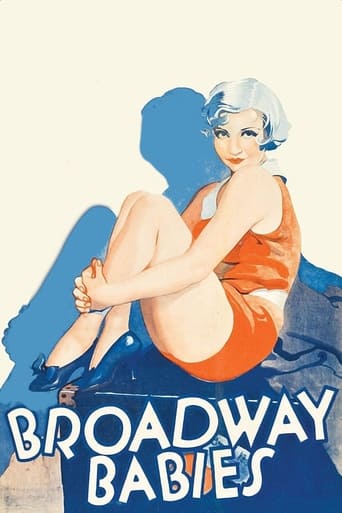
Titles linked here include Broadway Babies (1929), The Beatniks (1960).
When was Charles Delaney born and when did he die?
Born August 9, 1900; died November 18, 1970.
What awards did Charles Delaney win?
Charles Delaney did not receive any major awards or nominations during his career, which was common for character actors of his era who often worked without formal recognition despite their significant contributions to films.
What was Charles Delaney's acting style?
Delaney was known for his naturalistic, understated acting style with a commanding presence that made him ideal for authority figures. He brought authenticity to his supporting roles and had a distinctive voice that served him well in early sound films.
How long was Charles Delaney's career?
Charles Delaney's acting active years covered 31 years, from 1929 to 1960, covering the entire Golden Age of Hollywood and the transition into the television era.
Was Charles Delaney married?
Yes, Charles Delaney was married twice - first to actress Mary MacLaren from 1930 to 1944, and then to Virginia from 1946 until his death in 1970.
What types of roles did Charles Delaney typically play?
Charles Delaney was typically cast as authority figures including police officers, military men, doctors, lawyers, and other professional men. His commanding presence and professional demeanor made him particularly effective in these supporting roles.