
The Beatniks
"A young singer's chance at fame is threatened by his hoodlum pals."
Keys: Space play/pause · ←/→ 10s · F fullscreen · M mute · </> speed
About this film
A young singer's chance at fame is threatened by his hoodlum pals.
Cast & crew
More Drama films
View all →






More from Paul Frees
View all →
More about this film
About the production
Release dateMarch 1960
BudgetApproximately $75,000 (typical for low-budget exploitation films of the era)
Box officeLimited theatrical release, modest returns primarily from drive-in circuits
ProductionFreed Productions, Crown International Pictures
Filmed inLos Angeles, California, Various locations around Hollywood and Sunset Strip
The film was shot in approximately 7 days on a shoestring budget. Director Paul Frees, better known as a prolific voice actor, took the directing job primarily for the paycheck. The film was originally titled 'Sideburns and Sympathy' but was changed to capitalize on the beatnik craze. Many of the musical performances were filmed in one take to save costs, and some scenes were reportedly shot without permits. The production utilized many real locations rather than sets to cut expenses.
Themes
Youth rebellionLoyalty vs. ambitionThe corrupting influence of bad companyThe price of fameGeneration gap
Themes & topics
singerrock and rolljuvenile delinquencybeatnikgangmusic careerbetrayalcrimefriendshiprebelliontalent scoutnightclubswitchbladerecording contractLos Angeles
Historical background
The 1960 release of The Beatniks belongs to its era's exhibition habits rather than today's franchise model.
Why this film matters
Restorations and festival bookings keep The Beatniks visible among classic-film communities.
Making of
The production of 'The Beatniks' was typical of the exploitation film industry of the late 1950s and early 1960s. Paul Frees, primarily known for his voice work in cartoons and commercials, took the directing assignment as a way to break into live-action directing. The film was rushed through production in just one week, with many scenes being shot in single takes to save film and time. The cast was largely composed of up-and-coming actors willing to work for scale wages, with Tony Travis being cast partly due to his genuine singing ability. The musical sequences were filmed with live sound recording, unusual for the period, to capture the authentic energy of the performances. The production faced challenges with location shooting, often having to move quickly when authorities discovered they were filming without proper permits. Despite the low budget and rushed schedule, the film managed to capture some authentic moments of the burgeoning rock and roll scene and the teen culture of late 1950s Los Angeles.
What critics said
Modern retrospectives screen The Beatniks to illustrate 1960 pacing and camera norms.
Did you know?
- Director Paul Frees was one of Hollywood's most famous voice actors, providing voices for characters like Boris Badenov in 'The Rocky and Bullwinkle Show' and the Ghost Host in Disneyland's Haunted Mansion
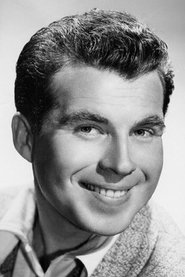
- The film's star Tony Travis was primarily a singer in real life and performed all his own musical numbers in the movie
- The film was later featured on Mystery Science Theater 3000, which brought it cult status decades after its release
- Despite the title, the film has very little to do with actual beatnik culture and was more of a juvenile delinquent exploitation film
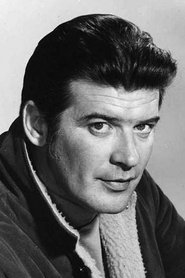
- Peter Breck, who plays Mooney, would later find fame as Nick Barkley in the TV series 'The Big Valley'
- The film's soundtrack featured several original rock and roll songs that were released as a record album
- Many of the 'beatnik' extras were actual beatniks recruited from coffee shops around Los Angeles
- The film was part of a wave of 'teen rebellion' movies that followed the success of 'Rebel Without a Cause'
- Crown International Pictures specialized in low-budget exploitation films and would later become known for 'The Beach Girls and the Monster' and other cult classics
- The film's original cut reportedly contained more violent scenes that were trimmed to secure a wider release
Visual style
The cinematography, handled by William H. Clothier Jr., is functional rather than artistic, typical of low-budget productions of the era. The film utilizes basic lighting setups and static camera positions for most dialogue scenes, with more dynamic camera work during the musical sequences. The black and white photography actually enhances the film's gritty atmosphere and helps mask the limited production values. Location shooting around Los Angeles provides some authentic period flavor, particularly in scenes set in coffee shops and music venues. The musical numbers feature more elaborate camera movements and lighting effects, suggesting these were considered the film's main selling points. The visual style prioritizes clarity over artistry, with straightforward compositions that serve the narrative without drawing attention to themselves.
Innovations
As a low-budget exploitation film, 'The Beatniks' features few technical innovations and primarily utilizes established production techniques of the era. The film's most notable technical aspect is its use of live sound recording for the musical performances, which was uncommon in low-budget productions that typically used post-production dubbing. The production team employed guerrilla filmmaking techniques for location shooting, often filming quickly without permits to save time and money. The film's editing, particularly in the musical sequences, attempts to create energy through rapid cuts and dynamic camera movements despite the limited resources. While not technically groundbreaking, the film demonstrates how low-budget productions could still deliver commercially viable products through efficient use of available technology and creative problem-solving.
Music
The soundtrack features several original rock and roll songs performed by Tony Travis, including 'Crazy, Crazy, Crazy' and 'Don't You Knock It.' These songs were written specifically for the film and released as a soundtrack album to capitalize on the movie's potential success. The music represents a transitional style between 1950s rockabilly and the more polished rock and roll of the early 1960s. The score, composed by Paul Dunlap, uses jazz and rock elements to create a 'hip' atmosphere that was meant to appeal to teenage audiences. The musical sequences are the most energetic parts of the film, with Travis's performances captured with live sound recording rather than post-production dubbing. The soundtrack album has become a collector's item among fans of 1950s rock and roll, valued more for its period authenticity than its musical innovation.
Famous quotes
Eddy: 'I've got something they can't take away from me - my voice!'
Mooney: 'You think you're too good for us now that you got a record contract?'
Talent Scout: 'That voice... it's not just good, it's commercial!'
Iris: 'You can't run away from who you are, Eddy, but you can run toward who you want to be.'
Mooney: 'We're not just friends, we're family. And family doesn't walk out on family.'
Memorable scenes
- The opening musical sequence where Eddy performs 'Crazy, Crazy, Crazy' at a local dive, showcasing his raw talent and establishing the film's rock and roll atmosphere
- The tense confrontation scene where Mooney and his gang corner Eddy in an alley, threatening him with a switchblade to prevent him from pursuing his music career
- The recording studio scene where Eddy lays down his first professional track, capturing the contrast between his humble beginnings and newfound success
- The climactic fight scene at the nightclub where Eddy finally stands up to his former friends, choosing his future over his past
- The final performance where Eddy sings triumphantly to an appreciative audience, having overcome the obstacles that threatened his dreams
What audiences thought
Initial audience reception was modest, with the film finding its primary audience at drive-in theaters where it played as part of double bills with other exploitation features. Teenage audiences of the time likely found the film's portrayal of rebellion and rock and roll appealing, even if they recognized its inauthenticity. The film developed a significant cult following decades after its release, particularly among fans of bad cinema and Mystery Science Theater 3000. Modern audiences who discover the film through cult movie channels and midnight screenings often appreciate it for its unintentional humor, period details, and earnest if misguided attempt to capture youth culture. The film has found new life through home video releases and streaming services, where it continues to attract viewers interested in exploitation cinema and 1950s teen culture.
Film connections
Influenced by
- Rebel Without a Cause (1955)
- The Blackboard Jungle (1955)
- Rock Around the Clock (1956)
- High School Confidential (1958)
This film influenced
- The Wild Rebels (1967)
- The Girls from Thunder Strip (1970)
- Various MST3K-featured films
Film restoration
The film exists in complete form and has been preserved through various home video releases. While not officially preserved by major film archives, multiple 35mm prints were distributed during its initial release, ensuring its survival. The film entered the public domain at some point, which has contributed to its availability on various budget DVD labels and streaming platforms. The most complete version available runs 71 minutes and appears to be the original theatrical cut. No restoration efforts have been undertaken by major studios, but the public domain status has allowed various distributors to release the film in varying qualities.
Where to watch
- Available on various streaming platforms specializing in public domain films
- DVD releases from multiple budget distributors
- YouTube (public domain uploads)
- Archive.org
- MST3K episode featuring the film available on Shout Factory streaming service and DVD