

Clarence Geldart
Actor
Born: June 9, 1867 in Philadelphia, Pennsylvania, USA Died: May 13, 1935 Active: 1915-1935 Birth Name: Clarence Heber Geldart
Films
5 films

About Clarence Geldart
Prolific American character actor who became a familiar face during the silent film era, appearing in over 150 films between 1915 and 1935. Born in Philadelphia, he began his career on the legitimate stage before transitioning to motion pictures in the mid-1910s as the film industry was gaining momentum in Hollywood. Geldart developed a specialty for portraying authoritative figures such as judges, bankers, military officers, and government officials, leveraging his appearance and commanding presence to create memorable supporting characters. He worked extensively with prominent directors of the era including Cecil B. DeMille, Charlie Chaplin, and Ernst Lubitsch, appearing in many of their most significant productions. Despite never achieving leading man status, his consistent performances and reliability made him a valuable asset to major studios and a recognizable presence to silent film audiences. Geldart successfully navigated the challenging transition from silent films to talkies, though his roles became less frequent as the industry evolved. His two of Hollywood's most transformative decades, making him both a participant in and witness to the evolution of American cinema from its primitive beginnings to sophisticated sound productions.
The Craft
On Screen
Geldart's acting style reflected his theatrical background, characterized by a dignified and restrained approach that was well-suited to the silent film medium. He employed subtle gestures and expressive facial features to convey emotion and authority, avoiding the exaggerated mannerisms common among less experienced silent film actors. His performances were marked by a natural gravitas and command that made him particularly convincing in roles requiring authority and respectability. Geldart understood the importance of clear visual storytelling in silent cinema, using his physical presence and controlled movements to communicate character traits effectively. His technique demonstrated the successful adaptation of stage acting methods to the specific demands of film acting.
Milestones
- Appeared in over 150 films during his 20-year career
- Worked with legendary directors including Cecil B. DeMille and Charlie Chaplin
- Successfully transitioned from silent films to early sound era
- Became typecast as authority figures due to his appearance
- Appeared in Charlie Chaplin's 'A Woman of Paris' (1923)
- Frequent collaborator with director James Cruze
Best Known For
Iconic Roles
Must-See Films
Working Relationships
Worked Often With
Studios
Why They Matter
Impact on Culture
Clarence Geldart contributed to the development of the character actor archetype in early Hollywood, helping establish the importance of supporting players in creating believable cinematic worlds. His consistent portrayals of authority figures helped shape audience expectations of how such characters should appear and behave on screen. As a bridge between stage and screen acting traditions, Geldart represented the successful adaptation of classical theatrical techniques to the new medium of film. His work in numerous significant silent films made him part of the foundation upon which Hollywood's golden age was built.
Lasting Legacy
Clarence Geldart's legacy lies in his extensive body of work that serves as a valuable record of early American cinema's evolution. His filmography provides insight into the types of characters and stories that appealed to audiences during the silent era and early sound period. As one of the many reliable character actors who formed the backbone of Hollywood's studio system, Geldart exemplifies the crucial supporting roles that made star-driven productions possible. His career demonstrates the longevity possible for actors who adapted to changing technologies and audience preferences during cinema's formative decades.
Who They Inspired
While not a major star, Clarence Geldart's professional approach and adaptability likely influenced younger actors entering the industry during the transition to sound. His ability to maintain steady employment through multiple eras of filmmaking served as a model for career longevity in the volatile early Hollywood system. His specialization in authority figures helped establish character tropes that would continue throughout Hollywood history, influencing how such characters were portrayed by subsequent generations of actors.
Off Screen
Clarence Geldart maintained a relatively private personal life despite his lengthy Hollywood career. He was known as a reliable and professional actor who was well-respected by his colleagues in the industry. Unlike many of his contemporaries, he avoided scandal and maintained a steady career through the tumultuous transition period from silent films to talkies. His dedication to his craft and consistent work ethic made him a valued presence on studio sets throughout his career.
Education
Limited information available, but likely received formal theatrical training given his stage background
Family
- Caroline L. 'Carrie' Geldart (m. 1891-1935, until his death)
Did You Know?
- Appeared in over 150 films during his 20-year career
- Often credited as C. Geldart or Clarence H. Geldart in early films
- Was 48 years old when he began his film career in 1915
- Worked with both Cecil B. DeMille and Charlie Chaplin, two of silent cinema's most influential figures
- Successfully made the transition from silent films to talkies, appearing in sound films until his death
- Was frequently typecast as an authority figure due to his tall stature and appearance
- Appeared in both dramatic and comedic films, demonstrating his versatility as a character actor
- His active years covered the entire period from the early feature film era through the establishment of the Hollywood studio system
- Worked during the transitional period when Hollywood moved from the East Coast to California
- Died at age 67 in Hollywood, having witnessed the complete transformation of the film industry
In Their Own Words
No documented famous quotes are available for Clarence Geldart, as was common for supporting actors of his era
Frequently Asked Questions
Who was Clarence Geldart?
Prolific American character with credits in this catalog. He was known for playing authority figures such as judges, bankers, and military officers, and worked with many of Hollywood's most famous directors including Cecil B. DeMille and Charlie Chaplin.
What films is Clarence Geldart best known for?
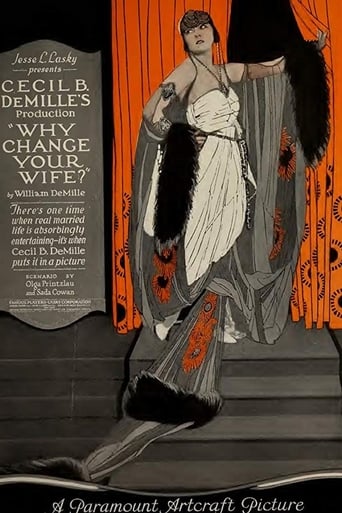
Titles linked here include The Roaring Road (1919), Why Change Your Wife? (1920).
When was Clarence Geldart born and when did he die?
Born June 9, 1867; died May 13, 1935.
What awards did Clarence Geldart win?
Clarence Geldart did not receive any major awards or nominations during his career, which was common for character actors and supporting players during the silent era and early sound period. The Academy Awards were not established until 1929, and supporting actor categories were not introduced until later.
What was Clarence Geldart's acting style?
Geldart's acting style was dignified and restrained, reflecting his theatrical background and training. He employed subtle gestures and expressive facial features suitable for silent film, avoiding the exaggerated mannerisms common in the era. His performances were characterized by natural gravitas and authority, making him particularly convincing in professional and official roles.
How did Clarence Geldart transition from silent films to talkies?
Geldart successfully made the transition from silent films to talkies, continuing to appear in films through the early sound era until his death in 1935. While his roles became less frequent during this period, his theatrical training and clear speaking voice likely helped him adapt to the new requirements of sound cinema.
What type of roles did Clarence Geldart typically play?
Geldart was typically typecast as authority figures including judges, bankers, military officers, government officials, doctors, and patriarchs. His tall stature, appearance, and commanding presence made him ideal for these professional and authoritative roles throughout his career.