John Griffith Wray
Director
Born: August 31, 1881 in Philadelphia, Pennsylvania, United States Died: August 15, 1929 Active: 1919-1929
Films
3 films

About John Griffith Wray
American film director who worked during the silent era of Hollywood, primarily active in the early 1920s. He began his career in the film industry as an actor before transitioning to directing, where he found his true calling. Wray's most notable directorial work was the 1923 adaptation of Eugene O'Neill's Pulitzer Prize-winning play 'Anna Christie,' starring Blanche Sweet, which was one of the first film adaptations of O'Neill's work. He also directed 'Soul of the Beast' in the same year, showcasing his ability to handle dramatic material. Wray worked primarily for Paramount Pictures during his brief but impactful career, contributing to the transition from short films to feature-length productions. His directorial style emphasized dramatic intensity and psychological depth, characteristics that were particularly evident in his adaptation of O'Neill's work. Despite his relatively short career in Hollywood, Wray's contributions to early American cinema, particularly in bringing serious theatrical works to the screen, were significant. His career was cut short by his untimely death in 1929, just as the sound era was beginning to transform Hollywood.
The Craft
Behind the Camera
John Griffith Wray's directing style emphasized dramatic intensity and psychological depth, with a particular talent for adapting theatrical works for the screen. He focused on character-driven narratives and emotional authenticity, which was especially evident in his handling of serious dramatic material like 'Anna Christie'. His visual approach incorporated the emerging techniques of silent cinema while maintaining respect for the source material's theatrical origins.
Milestones
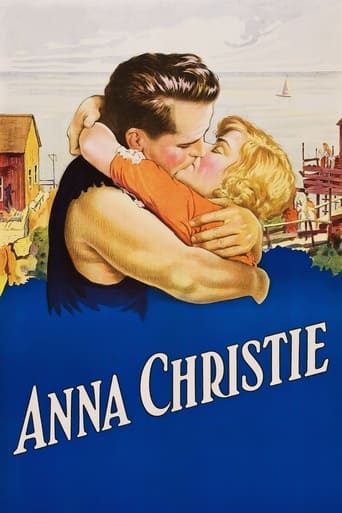
- Directed the first film adaptation of Eugene O'Neill's 'Anna Christie' (1923)
- Worked as a director at Paramount Pictures during the silent era
- Transitioned from acting to directing in the early 1920s
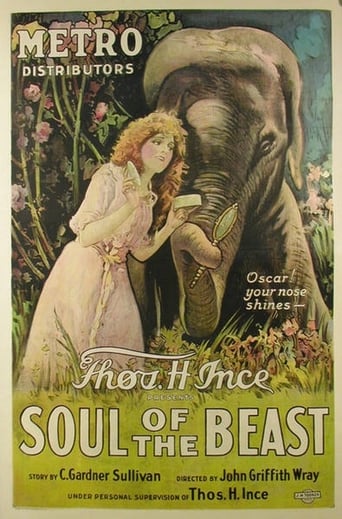
- Directed 'Soul of the Beast' (1923), a notable silent drama
Best Known For
Must-See Films
Working Relationships
Worked Often With
Studios
Why They Matter
Impact on Culture
John Griffith Wray played a significant role in the early adaptation of serious theatrical works for cinema, particularly through his direction of the first film version of 'Anna Christie' in 1923. This adaptation helped pave the way for future film versions of Eugene O'Neill's works and demonstrated the potential for bringing serious dramatic literature to the silver screen. His work contributed to the elevation of cinema's artistic ambitions during the silent era, helping to establish film as a medium capable of handling complex dramatic material.
Lasting Legacy
John Griffith Wray's legacy lies primarily in his contribution to early American cinema's artistic development, particularly in bridging the gap between theater and film. While his name may not be as widely recognized as some of his contemporaries, his work on 'Anna Christie' represents an important milestone in the history of literary adaptations in cinema. His career, though brief, spanned a crucial transitional period in Hollywood from the dominance of short films to the rise of feature-length productions, and his death in 1929 marked the end of the silent era in which he had worked.
Who They Inspired
Wray's approach to adapting theatrical works for the screen influenced subsequent directors who tackled similar material. His success with 'Anna Christie' demonstrated that serious dramatic literature could find new life and audiences through cinema, encouraging other filmmakers to pursue similar adaptations. His work ethic and artistic seriousness during the formative years of Hollywood helped establish standards for dramatic filmmaking that would influence the industry for decades.
Off Screen
John Griffith Wray was born in Philadelphia, Pennsylvania, and eventually made his way to Hollywood during the early days of the film industry. He married actress Virginia Brown Faire, who appeared in several of his films, creating both a personal and professional partnership. Their marriage lasted from 1921 until his death in 1929. Wray was known among his contemporaries as a serious artist who brought theatrical sensibilities to his film work. His life was cut short at the age of 47, just months before the stock market crash that would dramatically change Hollywood.
Family
- Virginia Brown Faire (1921-1929)
Did You Know?
- His 1923 version of 'Anna Christie' was the first film adaptation of Eugene O'Neill's work, seven years before the famous Greta Garbo version
- He began his film career as an actor before transitioning to directing
- Wray died just before the stock market crash of 1929, which dramatically changed Hollywood
- His wife, Virginia Brown Faire, was a popular silent film actress who appeared in several of his films
- He worked under the mentorship of legendary director Cecil B. DeMille at Paramount
- Despite his relatively short career, he directed over 20 films between 1919 and 1929
- His directing active years covered the entire silent era feature film boom
- He was one of the early directors to recognize the potential of adapting Pulitzer Prize-winning plays for the screen
Frequently Asked Questions
Who was John Griffith Wray?
American on YTB.my. He worked primarily for Paramount Pictures and directed over 20 films between 1919 and 1929.
What films is John Griffith Wray best known for?
Titles linked here include Anna Christie (1923), Soul of the Beast (1923).
When was John Griffith Wray born and when did he die?
Born August 31, 1881; died August 15, 1929.
What awards did John Griffith Wray win?
During his career in the 1920s, John Griffith Wray did not receive any major film awards, as the Academy Awards were not established until 1929, the year of his death. His contributions to cinema were primarily recognized through his successful film adaptations and box office performances.
What was John Griffith Wray's directing style?
Wray's directing style emphasized dramatic intensity and psychological depth, with particular skill in adapting theatrical works for the screen. He focused on character-driven narratives and emotional authenticity, bringing serious dramatic material to early cinema with artistic respect for the source material.