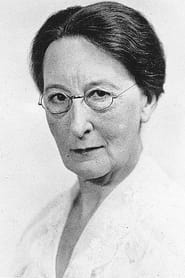
Nora Cecil
Actor
Born: May 26, 1878 in London, England Died: December 20, 1951 Active: 1922-1951 Birth Name: Leonora Cecile Lazarus
Films
4 films
About Nora Cecil
Prolific character actress: the silent era through the early 1950s, appearing in over 200 films. Born Leonora Cecile Lazarus in London, she began her acting career on the British stage before emigrating to the United States and transitioning to film in the early 1920s. Cecil quickly established herself as a reliable character actress, specializing in stern, authoritarian roles such as governesses, housekeepers, and disapproving matrons. Her distinctive appearance, with her severe features and no-nonsense demeanor, made her instantly recognizable to audiences. She successfully transitioned from silent films to talkies, maintaining her career through the 1930s and 1940s with memorable supporting roles. Cecil worked with virtually every major studio and appeared alongside many of Hollywood's biggest stars, though she rarely received top billing. Her final film appearances came in the early 1950s, capping off a remarkable three-decade career in American cinema.
The Craft
On Screen
Nora Cecil specialized in portraying stern, authoritarian female characters with a distinctive no-nonsense approach. Her acting style was characterized by severe facial expressions, rigid posture, and a commanding presence that made her perfect for roles as governesses, housekeepers, and disapproving relatives. She had a remarkable ability to convey authority and disapproval with minimal dialogue, using subtle gestures and piercing gazes to establish her characters' dominance. Her British background lent authenticity to her portrayals of proper, upper-class matrons, and she maintained this persona throughout both her silent and sound film appearances.
Milestones
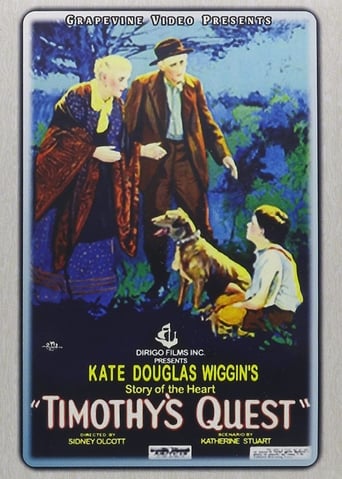
- Film debut in Timothy's Quest (1922)
- Successful transition from silent to sound films
- Appeared in over 200 films during her 29-year career
- Worked with major studios including MGM, Warner Bros., and Paramount
- Memorable roles in The Wizard of Oz (1939) and Gone with the Wind (1939)
Best Known For
Iconic Roles
Must-See Films
Working Relationships
Worked Often With
Studios
Why They Matter
Impact on Culture
Nora Cecil contributed significantly to the archetype of the stern British housekeeper and governess in American cinema, helping to establish a recognizable character type that would be replicated in countless films. Her consistent portrayals of authoritarian women reflected and reinforced certain societal attitudes about proper behavior and social hierarchy during the early to mid-20th century. As a British actress in Hollywood, she was part of the tradition of importing British performers to lend authenticity to period pieces and upper-class settings. Her longevity in the industry demonstrated the importance of reliable character actors in supporting the star system and maintaining production efficiency across studio films.
Lasting Legacy
Nora Cecil's legacy lies in her status as one of Hollywood's most prolific and recognizable character actresses of the studio era. With over 200 film appearances, she represents the essential but often unsung supporting players who gave depth and authenticity to classic films. Her distinctive persona as the stern authority figure became a familiar sight to generations of moviegoers, and her work continues to be discovered by new audiences through classic film revivals and television broadcasts. Film historians often cite her as an example of the typecasting that characterized studio-era character actors, while also acknowledging the skill and professionalism she brought to even the smallest roles.
Who They Inspired
Nora Cecil influenced subsequent generations of character actresses who specialized in similar authoritarian roles, particularly in period pieces. Her ability to create memorable characters with limited screen time demonstrated the importance of supporting performances in ensemble films. Younger actors studying classic cinema often look to her work as an example of how to make an impact in brief appearances. Her successful transition from silent films to talkies also provided a model for other character actors facing the challenges of new technology in the film industry.
Off Screen
Nora Cecil was married to fellow actor Harry C. Bradley, with whom she sometimes appeared in films. The couple remained together until his death in 1947. She was known as a private person who rarely gave interviews or discussed her personal life in public. Despite her extensive film career, she maintained a relatively low profile in Hollywood social circles. After her husband's death, she continued acting for a few more years before retiring due to health issues.
Education
Educated in London, with formal training in stage acting at dramatic schools in England
Family
- Harry C. Bradley (1915-1947)
Did You Know?
- Appeared in both The Wizard of Oz and Gone with the Wind in the same year (1939)
- Often played characters much older than her actual age
- Was frequently typecast as British characters despite living most of her life in America
- Her film career began when she was already in her 40s
- She and her husband Harry C. Bradley appeared together in several films
- Despite her extensive filmography, she rarely received screen credit in her early films
- Her distinctive appearance made her a favorite for casting directors seeking stern authority figures
- She was one of the few silent era actors to successfully maintain a career through the transition to sound
- Often played roles that required no dialogue, relying solely on her expressive face
- Her final film appearance was in 1951, the same year she died
Frequently Asked Questions
Who was Nora Cecil?
Screen credits include over 200 films from the silent era through the early 1950s. She was best known for playing stern, authoritarian women such as governesses and housekeepers, and had a distinctive appearance that made her instantly recognizable to audiences.
What films is Nora Cecil best known for?
Titles linked here include Timothy's Quest (1922), The Wizard of Oz (1939).
When was Nora Cecil born and when did she die?
Born May 26, 1878; died December 20, 1951.
What awards did Nora Cecil win?
Nora Cecil did not receive any major awards or nominations during her career. Like many character actors of her era, her contributions were primarily recognized through consistent employment and the respect of her colleagues rather than formal accolades.
What was Nora Cecil's acting style?
Nora Cecil specialized in portraying stern, authoritarian characters with a distinctive no-nonsense approach. Her acting style featured severe facial expressions, rigid posture, and a commanding presence perfect for roles as governesses, housekeepers, and disapproving matrons in both silent and sound films.
How did Nora Cecil transition from silent to sound films?
Nora Cecil successfully made the transition from silent to sound films in the late 1920s, maintaining her career through the 1930s and 1940s. Her British accent and distinctive speaking voice actually enhanced her typecasting as proper, authoritarian characters, making her transition smoother than many of her contemporaries.
Was Nora Cecil married?
Yes, Nora Cecil was married to fellow actor Harry C. Bradley from 1915 until his death in 1947. The couple sometimes appeared together in films, and their marriage lasted 32 years until Bradley's passing.