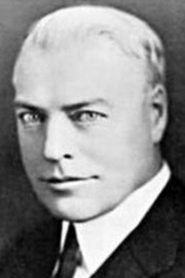
Sidney Olcott
Actor & Director
Born: September 20, 1872 in Toronto, Ontario, Canada Died: May 16, 1949 Active: 1904-1924 Birth Name: John Sidney Alcott
Films
7 films
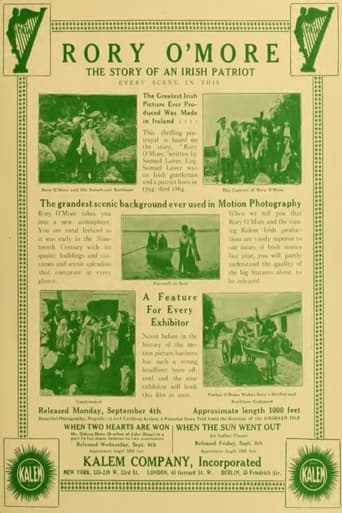
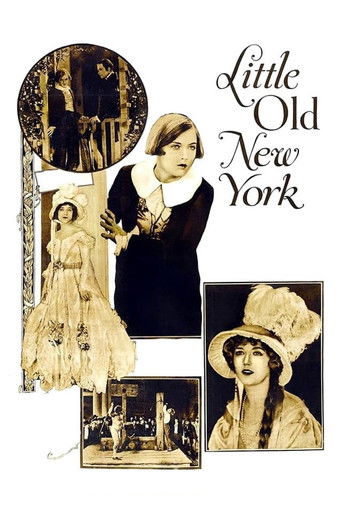
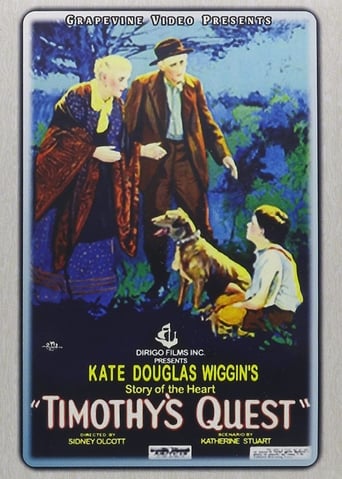
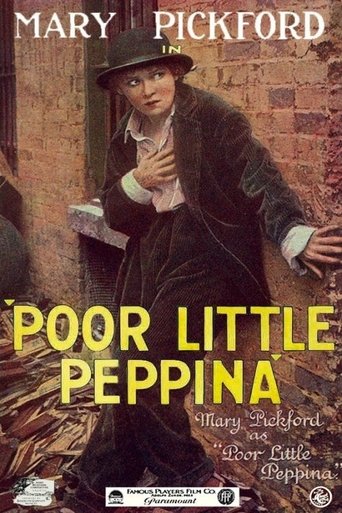
About Sidney Olcott
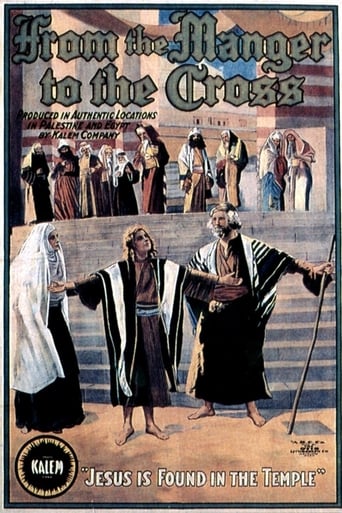
Helped shape the early motion picture industry during its formative years. Born John Sidney Alcott in Toronto, he began his career as an actor with Biograph Studio in 1904 before transitioning to directing. In 1907, he joined Kalem Studios where he would make his most significant contributions, directing over 300 films and establishing innovative techniques that would influence generations of filmmakers. Olcott — trailblazer in location shooting, particularly in Ireland where he founded the first American film production company to shoot extensively abroad, creating what became known as the 'Olcott Irish Films.' His 1912 epic 'From the Manger to the Cross' was as one of the first feature-length films about the life of Jesus, shot on location in Palestine and Egypt. After leaving Kalem, he formed his own production company and continued directing through the silent era, though his output diminished with the advent of sound. Olcott was also a founding member of the Motion Picture Directors Association and served as its first president, helping establish professional standards for the emerging industry.
The Craft
On Screen
As an actor, Olcott performed primarily in the early 1900s before transitioning to directing. His acting style was typical of the silent era, emphasizing broad gestures and exaggerated expressions to convey emotion without dialogue. He appeared in several of his own films, most notably playing a small role in 'From the Manger to the Cross' (1912), but his true talent lay behind the camera rather than in front of it.
Behind the Camera
Olcott was known for his innovative approach to location shooting and his commitment to authenticity. Unlike many contemporaries who relied on studio sets, he insisted on filming in authentic locations, particularly for historical and religious subjects. His direction emphasized visual storytelling through composition and movement, with a keen eye for landscape and natural settings. Olcott's films often featured sweeping outdoor shots and made effective use of natural lighting, giving his work a documentary-like quality that was ahead of its time.
Milestones
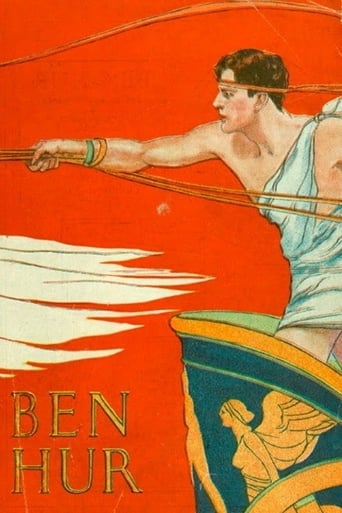
- Directed the first film adaptation of Ben-Hur (1907)
- Pioneered location shooting in Ireland (1910-1914)
- Created From the Manger to the Cross (1912), filmed on location in Palestine and Egypt
- Founded the first American film studio in Europe
- Served as first president of the Motion Picture Directors Association
- Directed over 300 films during his career
- Made the first American film shot completely on foreign soil
Best Known For
Iconic Roles
Must-See Films
Accolades
Won
- Special Commendation from Pope Pius X for From the Manger to the Cross (1912)
Special Recognition
- Star on the Hollywood Walk of Fame
- Founding President of the Motion Picture Directors Association
- Inducted into the Canadian Film Hall of Fame
Working Relationships
Worked Often With
Studios
Why They Matter
Impact on Culture
Sidney Olcott's impact on cinema extends far beyond his individual films. He revolutionized the industry by proving that location shooting was not only feasible but commercially viable, opening the door for filmmakers to capture authentic settings around the world. His work in Ireland helped establish the country as a filming location and influenced generations of filmmakers who followed. 'From the Manger to the Cross' set a new standard for biblical epics and demonstrated that religious subjects could be treated with both artistic merit and commercial success. Olcott's establishment of the Motion Picture Directors Association helped professionalize the industry and establish standards that would shape Hollywood's golden age.
Lasting Legacy
Sidney Olcott's legacy as a pioneer of early cinema remains significant despite many of his films being lost to time. He is remembered as one of the first directors to recognize the power of location shooting and authentic settings in storytelling. His innovations in outdoor cinematography and his willingness to travel to remote locations laid groundwork for location-based filmmaking that continues today. The Olcott Irish Film Festival in Ireland celebrates his contributions to both cinema and Irish culture. His role in establishing professional organizations for directors helped create the modern film industry structure we know today.
Who They Inspired
Olcott influenced numerous directors who followed, particularly in his use of location shooting and his approach to historical and religious subjects. His work predated and influenced D.W. Griffith's location shooting practices. Directors like John Ford, who would later film extensively in Ireland, built upon the foundation Olcott established. His techniques for shooting in difficult conditions and his emphasis on authenticity became standard practices in the industry. The success of his biblical epic influenced Cecil B. DeMille and other directors of religious spectacles.
Off Screen
Sidney Olcott married actress Valentine Grant in 1912, who frequently appeared in his films. The couple had no children but maintained a strong professional and personal partnership throughout their careers. Olcott was known for his dedication to his craft and often spent long periods away from home while shooting on location. He retired from filmmaking in the mid-1920s and lived quietly in Hollywood until his death in 1949 at the age of 76.
Education
Limited formal education; largely self-taught in the film industry
Family
- Valentine Grant (1912-1949)
Did You Know?
- His 1907 Ben-Hur adaptation led to a landmark copyright lawsuit that established important precedents for film rights
- He was the first director to shoot a film completely on foreign soil (The Lad from Old Ireland, 1910)
- Pope Pius X personally praised From the Manger to the Cross and encouraged Catholics to see it
- He changed his professional name from Alcott to Olcott to avoid confusion with his cousin, actress Mary Pickford (born Gladys Louise Smith)
- During his Irish period, he employed many local Irish actors and crew, helping establish Ireland's film industry
- Many of his films are now considered lost, a common fate for early silent cinema
- He was instrumental in developing the star system by regularly featuring the same actors in his films
- His production company was the first to establish a permanent base outside the United States
- He often worked with a small crew, sometimes as few as three people, during his location shoots
- The success of his Irish films led to a boom in American productions filming in Europe
In Their Own Words
The camera doesn't lie. It shows what is there, and that is why we must go to where the story happened.
A film made in a studio is a lie. A film made on location is truth captured on celluloid.
In Ireland, we found not just locations, but a people who understood storytelling in their bones.
Frequently Asked Questions
Who was Sidney Olcott?
Canadian-American on YTB.my. He is best known for his innovative use of location shooting, particularly in Ireland and the Middle East, and for directing over 300 films between 1904 and 1924, including the first film adaptation of Ben-Hur and the epic From the Manger to the Cross.
What films is Sidney Olcott best known for?
Titles linked here include Ben-Hur (1907), From the Manger to the Cross (1912).
When was Sidney Olcott born and when did he die?
Born September 20, 1872; died May 16, 1949.
What awards did Sidney Olcott win?
While formal film awards were not established during most of his career, Olcott received special recognition from Pope Pius X for his film From the Manger to the Cross. He was also honored posthumously with a star on the Hollywood Walk of Fame and induction into the Canadian Film Hall of Fame for his contributions to cinema.
What was Sidney Olcott's directing style?
Olcott's directing style was characterized by his revolutionary use of authentic locations rather than studio sets. He emphasized visual storytelling through composition and natural lighting, particularly in outdoor settings. His films often featured sweeping landscapes and documentary-like realism, especially in his historical and religious subjects, setting him apart from many contemporaries who relied on artificial studio environments.