


A Man About Town
"Following a pretty stranger"
Keys: Space play/pause · ←/→ 10s · F fullscreen · M mute · </> speed
About this film
Norma Talmadge follows a pretty stranger through city streetcars in a light 1923 comedy. A feckless young man who wishes to switch from one streetcar to another is told to follow a pretty young lady-- so he follows her all over town.
Cast & crew
More films like this
More Comedy films
View all →







More from George Jeske
View all →

More about this film
About the production
Release dateJuly 8, 1923
ProductionHal Roach Studios
Filmed inLos Angeles, California
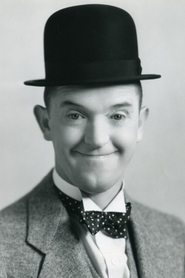
This was one of Stan Laurel's early solo comedy shorts before he formed his famous partnership with Oliver Hardy. The film was produced during the transition period when Laurel was establishing his comic persona in American cinema after moving from the UK. Like many shorts of this era, it was likely filmed quickly on existing studio sets and nearby locations to minimize costs.
Themes
Urban confusionRomantic pursuitMistaken identityPublic transportationFollowing the wrong advice
Themes & topics
Historical background
1923 placed A Man About Town within United States cinema as Hal Roach Studios navigated wartime markets, immigration audiences, and the shift from intertitles to sound.
Why this film matters
Archivists revisit A Man About Town (1923) for George Jeske style, genre norms at Hal Roach Studios, and the exhibition context of 20 minutes programming.
Making of
The production of 'A Man About Town' followed the typical rapid-fire schedule of comedy shorts in the early 1920s, often being completed in just a few days. Stan Laurel, having recently established himself in American comedy, was developing his screen character through these solo efforts. The collaboration with James Finlayson in this film marked an early connection before they would both become integral parts of the Laurel and Hardy team. The streetcar setting was practical for filming as it allowed for multiple gags and situations while using minimal set changes. Director George Jeske, who had experience as a comedian himself, understood the pacing and visual gags needed for successful silent comedy shorts.
What critics said
Retrospective writing on A Man About Town stresses craft by George Jeske, print survival, and repertory value rather than opening-week gross alone.
Did you know?
- This film was released before Stan Laurel's partnership with Oliver Hardy was formed in 1927
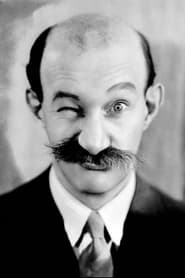
- James Finlayson, who appears in this film, would later become widely recognized supporting actors in Laurel and Hardy comedies
- The film was produced by Hal Roach Studios, which would later become famous for the Laurel and Hardy films and Our Gang comedies
- Stan Laurel had already developed his distinctive screen persona by this time, though it would be further refined in his later films
- Katherine Grant was a frequent co-star with Laurel in his early solo films
- Like many silent shorts of the era, this film was likely shown as part of a larger program with other shorts and possibly a feature film
- The streetcar theme was a common comedic device in early 1920s films, as public transportation was a central part of urban life
- Director George Jeske was a former actor who transitioned to directing and worked extensively with comedy shorts
Visual style
The cinematography by the uncredited camera operator follows the standard practices for comedy shorts of the era, with clear, medium shots to capture physical comedy and facial expressions. The camera work emphasizes the visual gags and situational humor, with relatively static setups that allow the performers' movements to drive the comedy. The streetcar sequences likely employed practical location shooting mixed with studio work, creating a realistic urban environment while maintaining control over the comedic timing. The visual style prioritizes clarity and readability over artistic experimentation, ensuring audiences could easily follow the slapstick action.
Music
As a silent film, 'A Man About Town' would have been accompanied by live musical performance in theaters, typically piano or organ. The score would have been compiled from standard photoplay music libraries, with selections matching the on-screen action - upbeat, playful music for the chase sequences, romantic themes when the young woman appeared, and frantic tempo during moments of confusion or slapstick. No original composed score was created specifically for this short, as was typical for productions of this scale and budget in 1923.
Famous quotes
(Silent film - no dialogue quotes available)
Memorable scenes
- The opening streetcar transfer sequence where Laurel misses his connection and receives the fateful advice to follow the young woman, setting up the entire comic premise of the film.
What audiences thought
Audiences in 1923 would have received this short as part of a typical theater program, appreciating its straightforward humor and visual gags. The following-the-girl premise was a familiar and popular comedy trope that guaranteed laughs. Stan Laurel's growing popularity as a solo comedian would have attracted viewers, and the film's urban setting would have resonated with contemporary moviegoers. Like most shorts of its era, it was designed for immediate entertainment rather than lasting impact, though Laurel's fans would have remembered it as part of his early American career.
Film connections
Influenced by
- Earlier Mack Sennett comedy shorts
- Chaplin's tramp character development
- Harold Lloyd's urban comedy style
This film influenced
- Later Laurel and Hardy following gags
- Similar streetcar comedies of the mid-1920s
Film restoration
The preservation status of 'A Man About Town' is uncertain, as many silent comedy shorts from this period have been lost or exist only in incomplete copies. Some early Laurel solo films have survived through archives and private collections, but comprehensive documentation of this specific title's survival status is limited. The film may exist in film archives such as the Library of Congress or the Museum of Modern Art, or in private collector hands, but public access is likely restricted.
Where to watch
- Due to its age and obscure status, 'A Man About Town' is not readily available on modern streaming platforms. Potential viewing opportunities might include specialized silent film archives, film society screenings, or occasionally on DVD compilations of early Stan Laurel works if it has been preserved and transferred to digital format.