Hot Water
"Turkey, trolley, and a chloroformed mother-in-law"
Keys: Space play/pause · ←/→ 10s · F fullscreen · M mute · </> speed
About this film
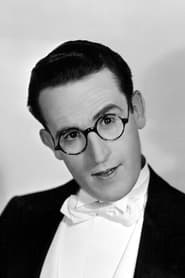
Lloyd's look at married life and the issues of the in-law. Adventures include a ride on a crowded trolley with a live turkey; A wild spin in a new auto with the in-laws in tow. Finally, a sequence in which Hubby accidentally chloroforms his mother-in-law and becomes convinced that he's killed her!
Cast & crew
More films like this

More Comedy films
View all →







More from Fred C. Newmeyer
View all →
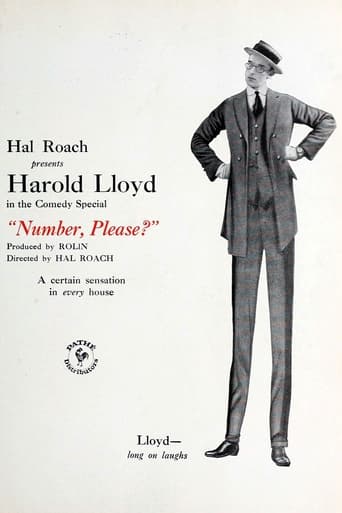
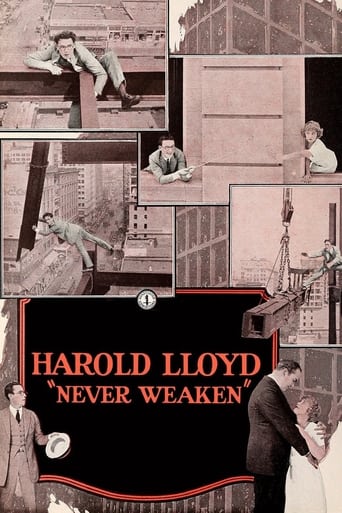
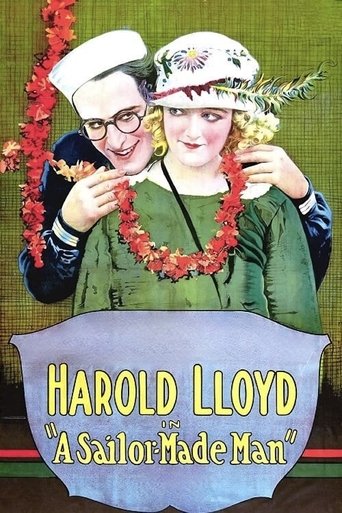
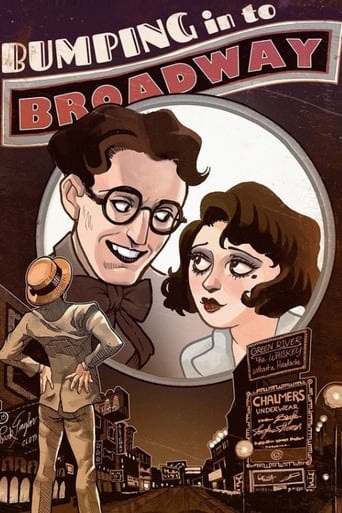
More about this film
About the production
Release dateDecember 21, 1924
BudgetApproximately $250,000 (typical for Harold Lloyd features of this era)
Box officeHighly successful, grossing over $1.5 million domestically, making it one of the top-grossing films of 1924
ProductionThe Harold Lloyd Corporation, Pathe Exchange
Filmed inLos Angeles, California, Hollywood, California, Various downtown Los Angeles street locations for the trolley and automobile sequences
The film featured elaborate and dangerous stunt sequences, particularly the automobile chase scene which required extensive coordination and multiple takes. The turkey sequence involved training several birds to perform specific actions on the crowded trolley set. Harold Lloyd performed many of his own stunts as was his custom, though safety measures were improved after his 1919 accident that cost him part of his right hand.
Themes
Marriage and domestic lifeModern technology and its challengesFamily relationships and in-law dynamicsThe American everymanUrban life in the 1920s
Themes & topics
turkeytrolleyautomobilemother-in-lawchloroformmarriagefamilycomedysilent filmmishapmisunderstandingdomestic comedy
Historical background
Made during the studio era of 1924, Hot Water reached audiences through theatrical programs, fairground booths, or specialized distribution channels typical of its generation. Lloyd's look at married life and the issues of the in-law. Adventures include a ride on a crowded trolley with a live. Historians now read such works for what they reveal about production methods, national taste, and the expanding vocabulary of screen narrative.
Why this film matters
Archivists and programmers still screen Hot Water when tracing how popular entertainment evolved. Its subject—lloyd's look at married life and the issues of the in-law. adventures include a ride on a crowded—gives later viewers tangible evidence of what drew crowds in the silent period. Home video, restorations, and festival sidebars keep the title circulating among students of film history.
Making of
The production of 'Hot Water' represented Harold Lloyd's continued evolution from short films to feature-length comedies. Director Fred C. Newmeyer, Lloyd's frequent collaborator, worked closely with the star to develop increasingly elaborate gags and situations. The turkey sequence proved particularly challenging, requiring the construction of a detailed trolley car set and the training of multiple birds to achieve the desired comedic effect. The automobile sequence was especially ambitious and dangerous sequences in the film, involving real traffic situations and requiring extensive planning to ensure safety while maintaining the appearance of chaos. Lloyd, who had lost part of his right hand in a 1919 prop bomb accident, used a prosthetic glove throughout the filming, though this was carefully concealed from audiences. The film's success cemented Lloyd's position as one of the top three comedy stars of the silent era, alongside Charlie Chaplin and Buster Keaton.
What critics said
Original trade coverage treated Hot Water as routine program filler rather than a landmark production—typical of steady studio output. Later criticism emphasizes preservation, stylistic comparison with contemporaries, and whatever cast or crew names later gained prominence. Contemporary writing is mostly historical: assessing completeness, influence, and place in a director's or studio's catalog.
Did you know?
- This was Harold Lloyd's first film to deal directly with married life, a theme he would revisit in later films
- The turkey used in the film was reportedly difficult to work with, requiring multiple birds and extensive training
- The automobile sequence required closing off several blocks of downtown Los Angeles for filming
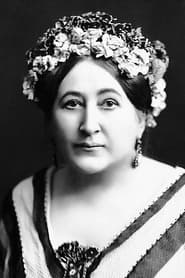
- Josephine Crowell, who played the mother-in-law, was a veteran silent film actress who had appeared in D.W. Griffith's 'The Birth of a Nation' and 'Intolerance'
- The film's success led to increased demand for more domestic comedies from Lloyd
- The chloroform sequence was considered controversial by some moral groups of the era for its dark humor
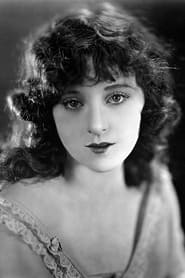
- Jobyna Ralston was Lloyd's regular leading lady during this period, appearing in seven of his films
- The trolley scene required building a special set that could simulate the motion and crowding of a real trolley car
- The film was shot during the summer of 1924 but released in December to capitalize on the holiday season
- Lloyd's character wears his signature glasses throughout, even during dangerous stunts, which became his trademark
Visual style
The cinematography in 'Hot Water' was handled by Walter Lundin, Harold Lloyd's regular cameraman, who employed innovative techniques to enhance the comedy. The film features dynamic camera movement, particularly in the automobile chase sequence, where cameras were mounted on vehicles to create a sense of speed and chaos. The turkey sequence required careful framing to capture the pandemonium on the crowded trolley while maintaining visual clarity. Lundin also experimented with multiple camera setups for key gags, allowing for rapid editing that enhanced the comedic timing. The film's visual style reflects the sophistication of mid-1920s cinematography, with well-composed shots that balanced the comedy with clear storytelling.
Innovations
While 'Hot Water' did not introduce major technical innovations, it demonstrated sophisticated filmmaking techniques for its time. The automobile sequence required complex coordination between multiple cameras, stunt performers, and background actors to create the illusion of spontaneous chaos. The film also featured impressive special effects for the turkey sequence, using combination photography and carefully trained animals to achieve the desired comedic results. The production team developed new methods for filming in confined spaces, particularly for the trolley car scenes, which required innovative camera placement and lighting techniques. These technical achievements, while not revolutionary, represented the high level of craftsmanship typical of Harold Lloyd productions.
Music
As a silent film, 'Hot Water' was originally presented with live musical accompaniment that varied by theater. The official score compiled by the Harold Lloyd Corporation included popular songs of the era and classical pieces chosen to match the film's moods. Typical accompaniment would have included upbeat, jaunty music for the comedy sequences, tense music for the dangerous moments, and romantic themes for scenes between Lloyd and Ralston. Modern restorations of the film have featured newly composed scores by silent film specialists, including Carl Davis and Robert Israel, who have created orchestral arrangements that capture the spirit of 1920s film music while appealing to contemporary audiences.
Famous quotes
As a silent film, 'Hot Water' featured intertitles rather than spoken dialogue. Memorable intertitles included: 'Hubby's first mistake - bringing home the turkey', 'When mother-in-law visits, trouble follows', 'Some situations are beyond control', 'Marriage has its moments - and this is one of them'
Memorable scenes
- The opening turkey sequence on the crowded trolley car, where the escaped bird creates chaos among passengers
- The wild automobile ride through city streets with in-laws clinging to the car
- The chloroform sequence where Hubby believes he has killed his mother-in-law
- The frantic attempts to hide the 'body' from various family members
- The final resolution scene where all misunderstandings are revealed and resolved
What audiences thought
Audiences in 1924 enthusiastically embraced 'Hot Water,' making it one of the year's biggest box office successes. The film's domestic themes and relatable situations resonated strongly with contemporary viewers, many of whom were experiencing similar challenges with modern life and family relationships. The turkey and automobile sequences became particularly famous, with audiences often requesting these scenes in subsequent Lloyd films. The film's success helped solidify Lloyd's position as the third member of the silent comedy triumvirate alongside Chaplin and Keaton, and it proved that his appeal extended beyond his famous 'thrill comedy' sequences. The film remained popular through the late 1920s and was frequently revived in theaters during the early sound era.
Film connections
Influenced by
- Earlier Harold Lloyd short films featuring domestic situations
- Charlie Chaplin's domestic comedies
- Buster Keaton's mechanical comedy sequences
- General slapstick traditions from Mack Sennett studios
This film influenced
- Later Harold Lloyd domestic comedies
- 1930s screwball comedies featuring in-law situations
- Television sitcoms about family life
- Modern romantic comedies with disaster sequences
Film restoration
The film is well-preserved with complete copies existing in major film archives including the Library of Congress, the UCLA Film and Television Archive, and the Harold Lloyd Trust. The film has been restored and is available in high-quality digital transfers. A 4K restoration was completed in 2019 as part of the Harold Lloyd collection preservation project.
Where to watch
- The Criterion Channel (as part of Harold Lloyd collection)
- Kino Lorber DVD/Blu-ray releases
- Warner Archive Collection DVD
- Various streaming services specializing in classic films
- Film archives and museums that screen silent films
- The Harold Lloyd official website occasionally offers streaming options