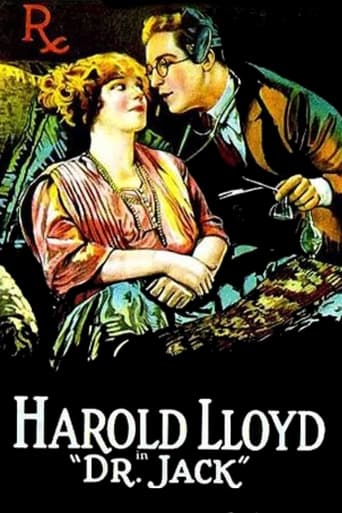
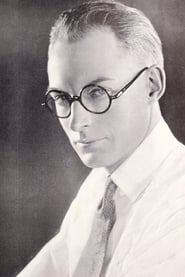
Sam Taylor
Director
Born: June 13, 1895 in New York City, New York, USA Died: March 6, 1958 Active: 1920-1949 Birth Name: Samuel Taylor
Films
3 films


About Sam Taylor
Prominent American film director, screenwriter, and producer who rose to prominence during the silent film era and successfully navigated the challenging transition to sound pictures. Beginning his career in the early 1920s, Taylor quickly established himself as a talented director of comedy films, most notably through his successful collaborations with comedy legend Harold Lloyd. His 1926 film 'For Heaven's Sake' became successful comedies of the silent era, showcasing his ability to blend humor with genuine emotion. Taylor demonstrated remarkable versatility by directing Mary Pickford in her first sound film 'Coquette' (1929), which earned her an Academy Award for Best Actress and proved Taylor's adeptness at handling the technical and artistic challenges of early sound cinema. Throughout the 1930s and 1940s, he continued directing various genres, from romantic comedies to dramas, working with stars such as Ronald Colman, Irene Dunne, and Charles Boyer. His nearly three decades, during which he directed over 40 films and established himself as one of Hollywood's most reliable and versatile directors during the Golden Age. Taylor's ability to adapt to changing cinematic technologies and audience tastes while maintaining his distinctive directorial voice made him a significant figure in early Hollywood history.
The Craft
Behind the Camera
Sam Taylor was known for his versatile directing style that seamlessly blended comedy with genuine emotional depth. His approach to silent comedy emphasized visual storytelling and precise timing, particularly evident in his work with Harold Lloyd where he balanced slapstick elements with relatable human situations. Taylor had a keen eye for composition and understood how to use the camera to enhance comedic timing while maintaining emotional authenticity. In his transition to sound films, he demonstrated remarkable adaptability, focusing on natural dialogue delivery and using sound to enhance rather than overwhelm his visual storytelling. His direction often featured strong character development and a sensitivity to performance, allowing his actors to deliver nuanced portrayals even within the constraints of early sound technology. Taylor's films typically maintained a smooth pacing and clear narrative structure, making them accessible to audiences while still containing artistic merit and technical innovation.
Milestones
- Directed Harold Lloyd in several successful comedies including 'For Heaven's Sake' (1926)
- Directed Mary Pickford in her Oscar-winning sound debut 'Coquette' (1929)
- Successfully transitioned from silent films to talkies
- Married Hollywood icon Mary Pickford in 1932
- Established himself as one of Universal Pictures' most reliable directors during the 1920s
Best Known For
Must-See Films
Accolades
Won
- Mary Pickford won Academy Award for Best Actress for 'Coquette' (1929) under his direction
Nominated
- No direct nominations for Taylor himself, but his films received critical acclaim and commercial success
Special Recognition
- Star on the Hollywood Walk of Fame for Motion Pictures
- Recognized as a significant figure in the transition from silent to sound cinema
Working Relationships
Worked Often With
Studios
Why They Matter
Impact on Culture
Sam Taylor played a significant role in shaping the transition from silent cinema to sound films during one of Hollywood's most transformative periods. His successful direction of Mary Pickford's first sound film 'Coquette' demonstrated that established silent film stars could successfully make the leap to talkies, providing a template for other performers and directors. Taylor's work with Harold Lloyd helped define the sophisticated comedy genre of the mid-1920s, influencing subsequent generations of comedy filmmakers. His ability to maintain artistic quality while adapting to new technologies set an important precedent for the industry, showing that technical innovation need not come at the expense of storytelling or performance quality. Taylor's films reflected and helped shape American cultural values during the Jazz Age and Great Depression, addressing themes of romance, social mobility, and personal transformation that resonated with contemporary audiences. His collaborative approach to filmmaking and respect for performers contributed to evolving industry standards for director-actor relationships.
Lasting Legacy
Sam Taylor's legacy endures as that of a versatile and adaptable director who successfully navigated. His films, particularly his collaborations with Harold Lloyd, remain important examples of sophisticated silent comedy that balanced entertainment value with artistic merit. Taylor's role in Mary Pickford's transition to sound cinema cemented his place in film history as a director who could help established stars evolve with changing times. While perhaps not as widely remembered as some of his contemporaries, Taylor's body of work represents an important bridge between the silent era and the Golden Age of Hollywood sound cinema. His technical innovations in early sound recording and his sensitive direction of performers during this transitional period influenced subsequent filmmaking practices. Taylor's career shows the importance of adaptability and versatility in the rapidly evolving film industry, qualities that remain relevant to filmmakers today.
Who They Inspired
Sam Taylor influenced subsequent generations of filmmakers through his demonstrated ability to successfully transition between different cinematic technologies and genres. His work in early sound cinema provided valuable lessons in balancing technical requirements with artistic integrity, influencing how directors approached the challenges of new film technologies. Taylor's sophisticated approach to comedy, particularly his ability to blend humor with emotional depth, influenced later comedy directors who sought to create films with both entertainment value and thematic substance. His collaborative working style and respect for performers helped establish more equitable director-actor relationships in Hollywood. The technical solutions he developed for early sound recording and cinematography were studied and adapted by other filmmakers facing similar challenges. Taylor's career trajectory also demonstrated the importance of versatility and adaptability in the film industry, influencing how subsequent directors approached their careers in an ever-changing entertainment landscape.
Off Screen
Sam Taylor's personal life was notably intertwined with Hollywood royalty. His most famous marriage was to silent film superstar Mary Pickford, whom he married in 1932 following her divorce from Douglas Fairbanks. This marriage placed Taylor at the center of Hollywood's elite social circle, though the union ended in divorce in 1936. Prior to his marriage to Pickford, Taylor was married to actress Marie Prevost from 1924 to 1926. His relationships with these prominent actresses provided him with unique insights into the challenges and opportunities facing women in early Hollywood, which may have influenced his sensitive direction of female performers. Taylor was known as a gentleman director who maintained professional relationships with his cast and crew, earning respect throughout the industry for his collaborative approach and technical expertise.
Education
Limited information available about formal education; likely self-taught in film craft through early industry experience
Family
- Marie Prevost (1924-1926)
- Mary Pickford (1932-1936)
Did You Know?
- For Heaven's Sake (1926) was.5 million on a $200,000 budget
- Taylor directed both Harold Lloyd and Mary Pickford, two of the biggest stars of the silent era
- He co-directed 'The Taming of the Shrew' (1929) with Mary Pickford, starring Pickford and her then-husband Douglas Fairbanks
- Taylor's marriage to Mary Pickford made him part of Hollywood's most famous power couple of the 1930s
- Despite his success in the 1920s, Taylor's career declined in the 1940s, reflecting the challenges many silent-era directors faced in evolving with the industry
- He often worked as both director and screenwriter on his films, maintaining creative control over his projects
- Taylor was one of the few directors who successfully worked with both comedy and dramatic material during the transition to sound
- His film 'State Fair' (1933) was an early example of the musical genre that would become hugely popular in the 1930s and 1940s
In Their Own Words
The secret of directing is to know when to shout and when to whisper - and mostly, it's when to whisper.
In comedy, timing isn't everything, but it's almost everything. The rest is heart.
Making pictures is like cooking - you need the right ingredients, but the magic is in how you blend them.
Frequently Asked Questions
Who was Sam Taylor?
American on YTB.my.
What films is Sam Taylor best known for?
Titles linked here include For Heaven's Sake (1926), Coquette (1929).
When was Sam Taylor born and when did he die?
Born June 13, 1895; died March 6, 1958.
What awards did Sam Taylor win?
While Taylor himself didn't receive major personal awards, he directed Mary Pickford to an Academy Award for Best Actress in 'Coquette' (1929), and his films were both critical and commercial successes.
What was Sam Taylor's directing style?
Taylor was known for his versatile style that balanced comedy with emotional depth, excelling in visual storytelling during the silent era and successfully adapting to sound films with natural dialogue and sensitive performances.
Was Sam Taylor married to any famous actresses?
Yes, Taylor was married to silent film star Mary Pickford from 1932 to 1936, following her divorce from Douglas Fairbanks, making him part of Hollywood's elite circle.
How did Sam Taylor contribute to the transition from silent to sound films?
Taylor successfully navigated the transition by directing Mary Pickford's acclaimed sound debut 'Coquette' (1929), demonstrating how established stars and directors could adapt to new technology while maintaining artistic quality.