
Wally Van
Actor
Born: September 27, 1880 in New York City, New York, USA Died: May 7, 1974 Active: 1913-1925 Birth Name: Walter Van Vliet
Films
1 film
About Wally Van
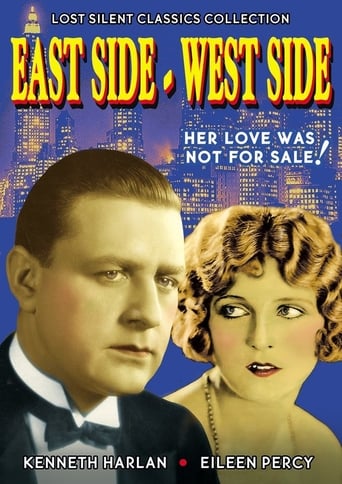
Wally Van, born Walter Van Vliet, was an American actor and director who worked during the silent film era. He began his career in the early 1910s with Vitagraph Studios, where he developed a reputation as a reliable character actor and later transitioned into directing. Van appeared in numerous short comedies and dramatic features throughout the 1910s and early 1920s, often playing supporting roles that showcased his versatility. His most prolific period was between 1915 and 1920, during which he worked on approximately 30 films as both actor and director. By 1923, his career was winding down, though he continued to appear in smaller roles in films like 'East Side - West Side.' Van eventually retired from the film industry as the transition to sound began, leaving behind a legacy of contributions to early American cinema.
The Craft
On Screen
Van was known for his naturalistic approach to acting, which was somewhat ahead of its time for the silent era. He often portrayed ordinary, relatable characters with subtlety rather than the exaggerated expressions common in many silent films. His comedic timing was particularly noted in his early work with Vitagraph comedies.
Milestones
- Began career with Vitagraph Studios in 1913
- Directed and acted in over 50 silent films
- Worked with major studios including Fox Film Corporation
- Transitioned from acting to directing in the mid-1910s
- Appeared in 'East Side - West Side' (1923) in his later career phase
Best Known For
Iconic Roles
Must-See Films
Working Relationships
Worked Often With
Studios
Why They Matter
Impact on Culture
Wally Van represents the typical journeyman actor of the silent era who contributed significantly to the development of American cinema despite never achieving stardom. His work helped establish the studio system at Vitagraph and demonstrated the versatility required of early film professionals who often had to act, direct, and sometimes write. His transition from acting to directing reflects the fluid nature of early Hollywood careers and the opportunities for advancement within the studio system.
Lasting Legacy
While not remembered as a major star, Wally Van's legacy lies in his substantial body of work that helped build the foundation of American silent cinema. His films, particularly those from the Vitagraph era, are valuable artifacts of early filmmaking techniques and storytelling methods. The preservation of his work provides modern film historians with insight into the evolution of film comedy and dramatic acting during the transitional period of the 1910s.
Who They Inspired
Van's influence was primarily within the studio system where he worked, helping to train and inspire other actors and crew members through his professional example. His efficient directing style and reliable acting performances set standards for professionalism that would have influenced those he worked with, though specific instances of mentorship are not well documented in historical records.
Off Screen
Wally Van was born into a Dutch-American family in New York City. He married early in his career and had children, though specific details about his family life remain scarce in historical records. After retiring from films in the mid-1920s, he lived a relatively private life away from the Hollywood spotlight. He spent his later years in California, where he passed away in 1974 at the age of 93.
Education
No formal education in the arts documented; likely learned through practical experience in the early film industry
Family
- Unknown (marriage details not well documented)
Did You Know?
- Appeared in over 80 films during his career, though many are now lost
- Directed approximately 20 films, mostly shorts and comedies
- His birth name was Walter Van Vliet, but he used the stage name Wally Van
- Worked during the transition from short films to feature-length productions
- His active years covered the entire silent era, from its early days to its end
- Survived the transition to sound by retiring from the industry
- Lived to be 93 years old, outliving most of his silent era contemporaries
- Many of his films were produced by the Vitagraph Studios
- Worked with some of the earliest film comedy stars
- His final known film appearance was in 1925
In Their Own Words
No documented famous quotes from Wally Van, as was common for supporting actors of the silent era
Frequently Asked Questions
Who was Wally Van?
Wally Van (born Walter Van Vliet) was an American actor and director who worked in silent films from 1913 to 1925. He appeared in over 80 films and directed approximately 20, primarily working with Vitagraph Studios and later Fox Film Corporation.
What films is Wally Van best known for?
Titles linked here include The Battle Cry of Peace (1915), The Mystery of the Double Cross (1917).
When was Wally Van born and when did he die?
Born September 27, 1880; died May 7, 1974.
What awards did Wally Van win?
Wally Van did not receive any major awards during his career, which was common for many supporting actors and directors of the silent era. The Academy Awards were not established until 1929, after his career had essentially ended.
What was Wally Van's acting style?
Van was known for his naturalistic acting style, which was somewhat ahead of its time for silent films. He favored subtle expressions and relatable character portrayals over the exaggerated acting often seen in silent cinema, particularly excelling in comedic timing and situational humor.