Films
2 films
About Lucille Hutton
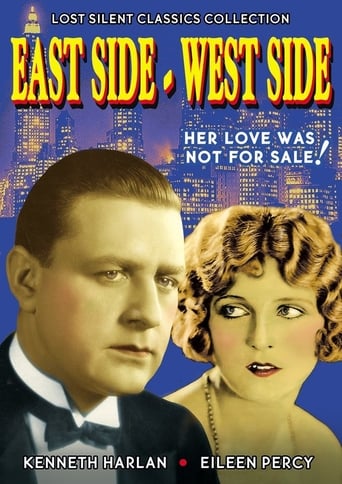
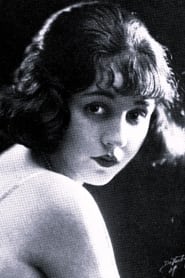
Silent film actress who had a brief but notable career during the early 1920s. She emerged during the golden age of silent cinema, appearing primarily in dramatic films that captured the social tensions of post-World War I America. Her most significant work was in the 1923 film 'East Side - West Side,' which explored class divisions in urban America. Hutton's acting style was typical of the period, emphasizing expressive gestures and facial emotions to convey character depth without dialogue. Despite her talent and screen presence, her film career appears to have been confined to a single year, 1923, making her one of many promising actresses whose careers were cut short during the transition to sound films or due to the competitive nature of early Hollywood. Her brief appearance in film history represents the countless performers who contributed to cinema's development but whose stories remain largely undocumented.
The Craft
On Screen
Typical of silent era performers, emphasizing exaggerated facial expressions and body language to convey emotions without dialogue. Her style would have incorporated the dramatic gestures and intense eye contact that characterized silent film acting, allowing audiences to understand character motivations and emotional states through visual storytelling alone.
Milestones
- Starred in 'East Side - West Side' (1923)
- Active during the peak of silent cinema
Best Known For
Iconic Roles
Must-See Films
Why They Matter
Impact on Culture
Lucille Hutton represents the countless anonymous performers who contributed to the development of American cinema during its formative years. While her individual impact may be difficult to trace, actors like her formed the backbone of the studio system, bringing life to countless films that helped establish cinema as America's dominant entertainment medium. Her work in social dramas like 'East Side - West Side' contributed to early cinema's exploration of contemporary social issues, helping film evolve from simple entertainment to a medium for social commentary.
Lasting Legacy
Lucille Hutton's legacy is primarily that of a representative figure from the vast pool of talented performers who populated silent cinema but whose careers were brief. She exemplifies the transient nature of early Hollywood fame and the difficulty many actors faced in establishing lasting careers during the rapidly changing film industry of the 1920s. Her story, though largely undocumented, speaks to the thousands of actors who contributed to cinema's golden age but remain largely forgotten by film history.
Who They Inspired
Due to the brevity of her career and limited documentation of her work, Lucille Hutton's specific influence on other performers or filmmakers cannot be definitively traced. However, like all actors of her era, she contributed to the development of film acting techniques that would evolve and influence subsequent generations of performers.
Off Screen
Very little is documented about Lucille Hutton's personal life, which is not uncommon for supporting actors from the silent era who did not achieve major stardom. Like many performers of her time, detailed biographical information was not systematically preserved, especially for those whose careers were brief.
Did You Know?
- Appeared in films during only one year of her career (1923)
- Worked during the peak of silent cinema's popularity
- Her most notable film 'East Side - West Side' dealt with social class themes common in 1920s cinema
- Like many silent era actors, her career may have been affected by the transition to sound films
- Represents the many talented performers from early Hollywood whose complete biographies remain lost to history
Frequently Asked Questions
Who was Lucille Hutton?
American silent film actress active in 1923, best known for her appearance in the film 'East Side - West Side.' She represents one of many performers from the silent era whose careers were brief but contributed to early American cinema.
What films is Lucille Hutton best known for?
Titles linked here include East Side - West Side (1923).
When was Lucille Hutton active in films?
Lucille Hutton's film career was confined to the single year of 1923, making her one of many actors from the silent era who had very brief careers in the rapidly evolving film industry.
What was Lucille Hutton's acting style?
As a silent film actress, Hutton would have used the dramatic gestures, expressive facial movements, and body language typical of the era to convey emotions and character development without the benefit of dialogue.
Why is so little known about Lucille Hutton?
The limited information about Lucille Hutton is not uncommon for supporting actors from the silent era who did not achieve major stardom. Many performers from this period have incomplete biographical records due to the lack of systematic documentation in early Hollywood.