
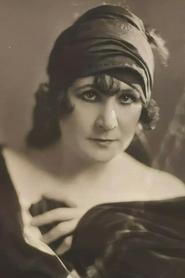
Rose Dione
Actor
Born: October 22, 1875 in Paris, France Died: January 29, 1936 Active: 1910-1928 Birth Name: Rose-Josephine Dione
Films
7 films

About Rose Dione
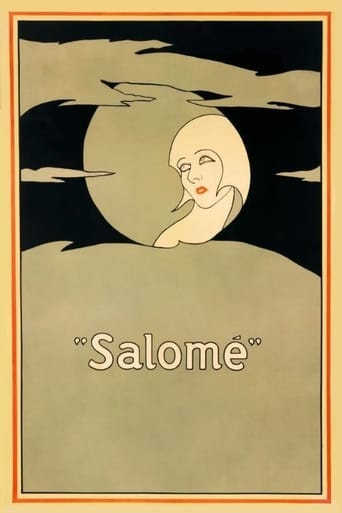
French-born actress who found considerable success in American silent cinema during the early 1920s. Born in 1875, she began her acting career in French theater before transitioning to film and eventually moving to the United States. She quickly established herself as a versatile character actress, often playing sophisticated European women, aristocrats, or mysterious figures in Hollywood productions. Her most notable period was between 1919 and 1923, during which she appeared in several significant silent films including the controversial Salomé (1922) opposite Alla Nazimova. Dione possessed a commanding screen presence and distinctive features that made her memorable even in supporting roles. After her peak years in American cinema, she continued acting in smaller roles through the 1920s before gradually fading from the film industry as sound pictures emerged. Her career, while relatively brief, left an impression on the silent era landscape with her distinctive performances in several notable productions of the period.
The Craft
On Screen
Rose Dione was known for her theatrical background, bringing a dramatic and expressive style to her silent film performances. She specialized in portraying sophisticated, often exotic European characters with a commanding presence. Her acting emphasized facial expressions and gestures typical of the silent era, but with a refined elegance that suggested her classical training. Dione had a particular talent for playing mysterious or aristocratic women, using her distinctive features and poised demeanor to create memorable characterizations.
Milestones
- Stage debut in Paris theater productions
- Transition to French cinema in early 1910s
- Move to Hollywood and American film industry
- Notable role in Salomé (1922)
- Supporting roles in major silent productions of the early 1920s
Best Known For
Iconic Roles
Must-See Films
Working Relationships
Worked Often With
Studios
Why They Matter
Impact on Culture
Rose Dione contributed to the cultural exchange between European and American cinema during the silent era. As one of the French actresses who successfully transitioned to Hollywood, she helped bring continental sophistication and theatrical traditions to American film. Her presence in productions like Salomé, which pushed boundaries of artistic expression in cinema, placed her at the forefront of avant-garde filmmaking of the early 1920s. Dione represented the international character of early Hollywood, where talent from around the world converged to create the new art form of cinema.
Lasting Legacy
Though not a major star, Rose Dione's legacy lies in her contribution to the silent era character acting. She exemplifies the many skilled performers who supported leading actors and helped create the immersive worlds of silent films. Her work in Salomé (1922) remains historically significant as part of. Film historians and silent cinema enthusiasts recognize her as part of the generation of European actresses who brought sophistication and classical training to early Hollywood productions.
Who They Inspired
Rose Dione's influence was primarily within the context of supporting character actors in silent cinema. Her theatrical background and European sophistication set a standard for character actresses playing aristocratic or exotic roles. While she didn't mentor specific individuals who became famous, her professional approach and distinctive style contributed to the development of character acting techniques in silent film. Her performances in ensemble casts helped establish the importance of well-drawn supporting characters in cinematic storytelling.
Off Screen
Rose Dione maintained a relatively private personal life despite her public career. She never married and had no children, dedicating herself primarily to her craft. As a French immigrant in Hollywood, she maintained strong ties to her European heritage and often socialized within the French expatriate community. She was known among colleagues as a dedicated professional who took her work seriously. After her film career declined, she lived quietly in California until her death in 1936 at the age of 60.
Education
Classical theater training in Paris, likely at conservatory or dramatic academy
Did You Know?
- Born in Paris during the Belle Époque period
- Began her career on the French stage before transitioning to film
- Was part of the wave of European talent that migrated to Hollywood in the 1910s
- Salomé (1922), one of her most famous films, was considered highly controversial for its time
- Often typecast as European aristocrats or mysterious women due to her sophisticated bearing
- Spoke with a noticeable French accent, which limited her transition to talkies
- Worked with some of the biggest stars of the silent era including Mary Pickford and Gloria Swanson
- Her active years covered both French and American cinema
- Never achieved leading lady status but was consistently employed as a character actress
- Retired from acting before the full transition to sound cinema
In Their Own Words
The theater is my first love, but cinema has given me a new way to express art
In America, they appreciate the European touch - it adds something special to their pictures
Silent acting requires the soul to speak through the eyes and hands
Every character, no matter how small, deserves to be lived truthfully
Frequently Asked Questions
Who was Rose Dione?
French-born actress who worked in American silent cinema during the early 1920s, known for her sophisticated portrayals of European characters and supporting roles in notable films like Salomé (1922).
What films is Rose Dione best known for?
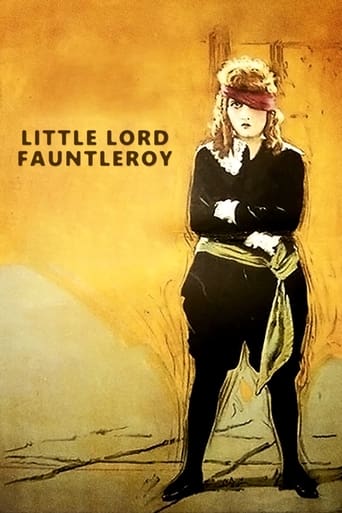
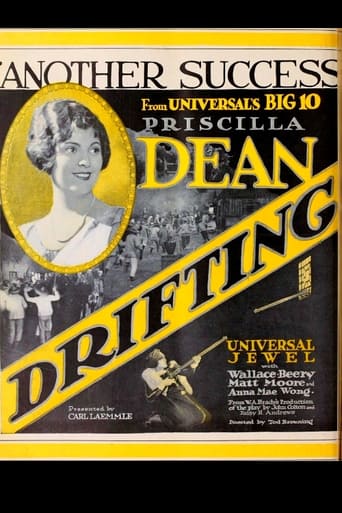
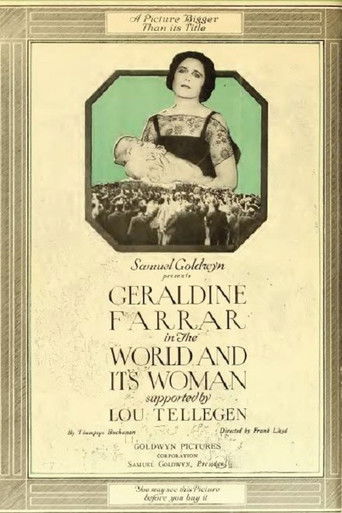
Titles linked here include The World and Its Woman (1919), Suds (1920).
When was Rose Dione born and when did she die?
Born October 22, 1875; died January 29, 1936.
What awards did Rose Dione win?
Rose Dione did not receive any major awards during her career, as was common for many character actors of the silent era who worked primarily in supporting roles.
What was Rose Dione's acting style?
Her acting style was theatrical and expressive, drawing from her classical French theater training, with emphasis on sophisticated portrayals of aristocratic or mysterious European characters using dramatic gestures and facial expressions.