Films
4 films

About Mae Giraci
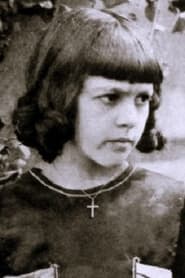
Silent-era child actor: screen career was brief but tied to several notable literary and melodramatic productions of the late 1910s and early 1920s. She is Mae Giraci appeared in films such as The World and Its Woman (1919), The Son of Tarzan (1920), Miss Lulu Bett (1921), and Lorna Doone (1922), placing her work in the height of the American silent feature era. Available records suggest that she was active primarily between 1919 and 1922, after which her film career appears to have ended or become undocumented. Because surviving biographical documentation on many child performers of the period is sparse, details of her later life, family background, and training are not clearly established in standard reference sources. Her screen appearances indicate that she worked in productions drawn from popular fiction and stage adaptations, a common avenue for juvenile performers in silent Hollywood. Although she did not become a major star, her credits place her within the network of working children who helped flesh out the emotional and domestic texture of silent storytelling. Mae Giraci remains a little-documented but historically interesting figure from the silent era, chiefly remembered through her surviving filmography.
The Craft
On Screen
Specific first-hand descriptions of Mae Giraci's performance style do not appear to survive in readily available reference sources. Based on the conventions of silent-era juvenile acting, her work would have relied on expressive facial response, physical immediacy, and clearly readable gesture rather than spoken dialogue. Her filmography suggests she was suited to supporting roles in literary and melodramatic productions that required emotional clarity and visual sensitivity. Because no detailed contemporary critical profile is widely documented, any broader assessment must remain cautious and inferential.
Milestones
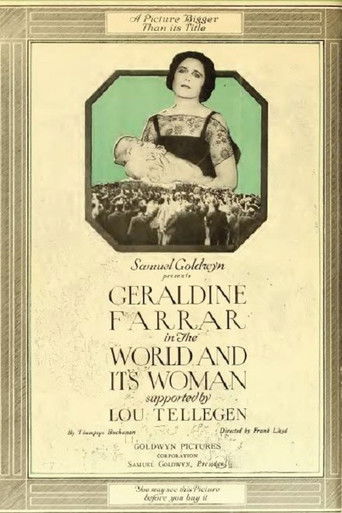
- Appeared in The World and Its Woman (1919), one of her earliest known screen credits.
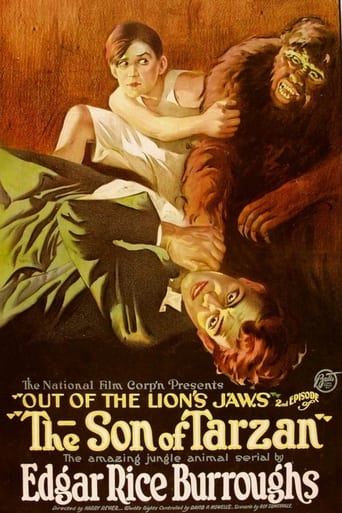
- Played a role in The Son of Tarzan (1920), an adventure serial feature based on Edgar Rice Burroughs material.
- Appeared in Miss Lulu Bett (1921), an adaptation of the widely discussed novel and play by Zona Gale.
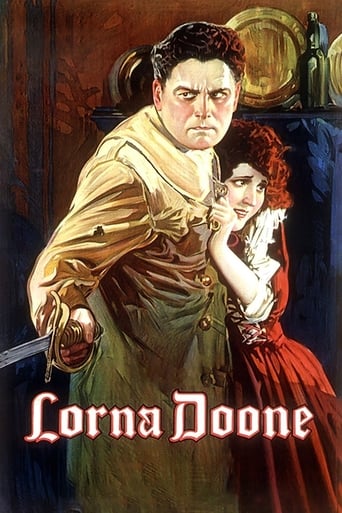
- Was Mae Giraci appeared in Lorna Doone (1922), a prestigious literary adaptation from the silent era.
- Worked during the peak years of silent feature filmmaking, when child actors were frequently cast in domestic, melodramatic, and adventure-centered supporting roles.
Best Known For
Iconic Roles
Must-See Films
Working Relationships
Worked Often With
Studios
Why They Matter
Impact on Culture
Mae Giraci's cultural impact lies less in celebrity than in what her surviving credits reveal about silent-era production practices. She represents the many child performers who appeared in prestige adaptations, adventure stories, and melodramas that shaped early American cinema's emotional vocabulary. Even when individual child actors were not heavily publicized, their presence was important to the authenticity and domestic appeal of these films, especially in literary adaptations where family dynamics and innocence were central themes. Her work helps illustrate how the silent film industry routinely employed young performers to anchor pathos, vulnerability, and narrative continuity. In that sense, she is part of the broader cultural history of child acting in early Hollywood rather than a major star biography.
Lasting Legacy
Mae Giraci's legacy is primarily archival: she survives in filmographies and cast lists as a participant in a key transitional period of American silent cinema. The films associated with her name connect her to the literary adaptation boom of the early 1920s, when studios elevated popular novels and stage works into feature productions. Because so little personal documentation has survived, her historical significance is measured through the films themselves and the context of their production. For researchers and silent-film enthusiasts, names like hers are valuable precisely because they help map the labor and casting of the era beyond the most famous stars. Her legacy is therefore that of a documented but elusive screen presence whose work remains part of silent cinema's collective memory.
Who They Inspired
No direct influence on later actors or filmmakers is clearly documented for Mae Giraci, and she does not appear to have been prominent enough to shape a named school of performance. Her indirect influence is historical rather than personal: she stands as evidence of the silent era's reliance on child performers in supporting roles. The survival of her credits may assist historians studying casting patterns, juvenile performance, and adaptation culture in early Hollywood. Her work contributes to the broader understanding of how silent films used young actors to heighten emotional stakes and narrative realism.
Off Screen
Little verified information is readily available about Mae Giraci's personal life, including her family background, education, or later years. She appears to have been a performer whose documented public identity is almost entirely contained within her short film career. No widely accepted record of marriages, children, or later professional pursuits has been established in standard film reference material. As with many silent-era child actors, her off-screen life was not extensively chronicled in surviving mainstream film histories.
Did You Know?
- Mae Giraci's known screen career is very brief, with surviving credits concentrated in just four years.
- Her filmography includes several literary and prestige adaptations rather than only short comedies or serials.
- She appeared in The Son of Tarzan, linking her to one of Edgar Rice Burroughs' best-known adventure properties.
- Miss Lulu Bett connected her to a major early-1920s adaptation of a highly regarded American novel and play.
- Because her biographical details are scarce, she is often encountered through cast lists rather than full biographies.
- Her surviving record is typical of many silent-era child actors whose careers were documented more thoroughly than their private lives.
- She worked during the height of the silent feature era, before the transition to sound cinema.
Frequently Asked Questions
Who was Mae Giraci?
Silent-era with credits in this catalog. She is remembered primarily through her screen credits in literary adaptations and adventure features rather than through an extensive surviving biography.
What films is Mae Giraci best known for?
Titles linked here include The World and Its Woman (1919), The Son of Tarzan (1920).
When was Mae Giraci born and when did she die?
Her birth and death dates are not clearly documented in readily available standard sources, so they remain unknown here. This is not unusual for lesser-documented silent-era performers, especially child actors whose later lives were rarely recorded in detail.
What awards did Mae Giraci win?
No awards or formal nominations are currently documented for Mae Giraci in the available historical record. She appears to have been a working silent-era performer rather than a highly publicized award recipient.
What was Mae Giraci's acting style?
Specific contemporary descriptions of her acting style do not appear to survive, but as a silent-era performer she would have relied on expressive physicality and facial expression. Her roles in melodramatic and literary films suggest a performance style suited to emotional clarity and visual storytelling.
What is Mae Giraci's legacy in film history?
Her legacy lies in her contribution to silent-era cinema as part of the generation of juvenile performers who supported major features. While not a major star, she remains a useful figure for understanding how child actors were used in early Hollywood productions.