
Lawson Butt
Actor
Born: March 14, 1880 in Sydney, New South Wales, Australia Died: April 21, 1956 Active: 1919-1927 Birth Name: William Lawson Butt
Films
6 films

About Lawson Butt
Australian actor who achieved prominence during Hollywood's silent film era — known for his imposing stature and commanding screen presence. Standing approximately 6'4" tall, he often portrayed romantic leads, aristocratic figures, or villainous characters in major productions of the 1920s. His career, though relatively brief, included collaborations with prominent directors like Cecil B. DeMille and appearances in several significant silent films. Butt transitioned from stage work in Australia to Hollywood films, bringing theatrical gravitas to his screen performances. His most notable role was as Pharaoh Rameses in DeMille's epic The Ten Commandments (1923), which showcased his ability to portray powerful historical figures. By the late 1920s, as the film industry transitioned to sound, Butt's career waned, and he eventually returned to his native Australia. His legacy remains as a representative of the international talent that contributed to Hollywood's golden silent era.
The Craft
On Screen
Butt was known for his theatrical, grandiose acting style typical of the silent era, utilizing his imposing physical presence and expressive gestures to convey emotion. His performances were characterized by dignified, aristocratic bearing and intense facial expressions that translated well to the silent medium. He excelled at portraying powerful historical figures and romantic leads, bringing a sense of gravitas and theatrical training to his screen roles.
Milestones
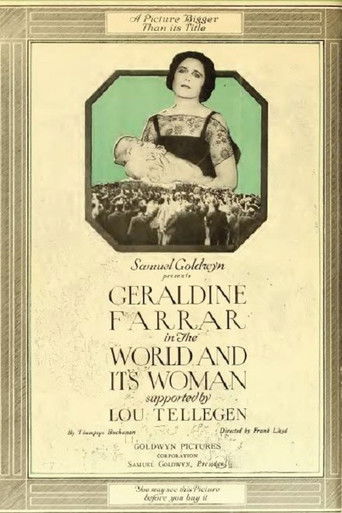
- Breakthrough role in The World and Its Woman (1919)
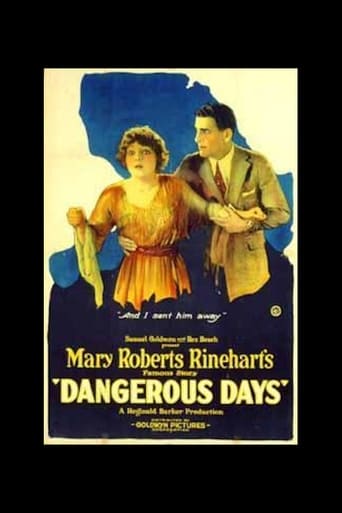
- Memorable performance in Dangerous Days (1920)
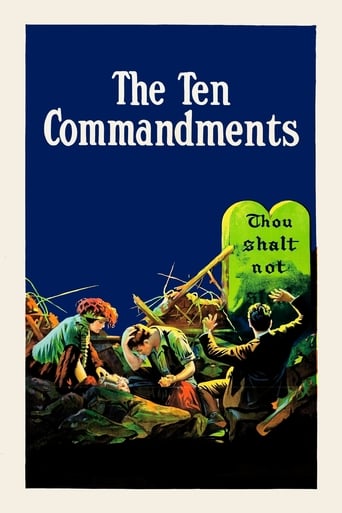
- Iconic portrayal of Pharaoh Rameses in The Ten Commandments (1923)
- Leading role in Old San Francisco (1927)
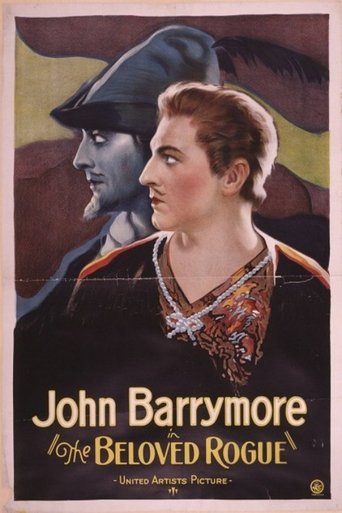
- Final major film appearance in The Beloved Rogue (1927)
Best Known For
Iconic Roles
Must-See Films
Accolades
Special Recognition
- Star on the Hollywood Walk of Fame (for contributions to motion pictures)
Working Relationships
Worked Often With
Studios
Why They Matter
Impact on Culture
Lawson Butt represents the international flavor of Hollywood's silent era, demonstrating how talent from across the globe contributed to American cinema's golden age. His portrayal of Pharaoh Rameses in The Ten Commandments remains. As an Australian actor who achieved Hollywood stardom, he paved the way for future Australian performers in international cinema. His career trajectory also illustrates the challenges faced by silent film actors during the transition to sound, as his theatrical style and accent may have contributed to his declining opportunities in the late 1920s.
Lasting Legacy
Lawson Butt's legacy endures primarily through his memorable performance in Cecil B. DeMille's The Ten Commandments, which continues to be studied and appreciated by film historians and silent cinema enthusiasts. He represents an important chapter in the history of Australian actors in Hollywood, predating the more widely documented Australian invasion of Hollywood in later decades. His work exemplifies the grand, theatrical acting style of the silent era, serving as a valuable reference point for understanding silent film performance techniques. Though his career was brief, his contributions to major productions of the 1920s have earned him a place in film history books and silent film archives.
Who They Inspired
Butt influenced the archetype of the tall, commanding leading man in silent cinema, particularly in historical and epic films. His portrayal of powerful figures like Pharaoh Rameses set a standard for how such characters were depicted in subsequent biblical epics. While he didn't directly mentor widely known actors, his performances served as examples for other actors playing similar roles in the silent era. His career path also provided a model for international actors seeking success in Hollywood during the 1920s.
Off Screen
Lawson Butt maintained a relatively private personal life despite his Hollywood career. He was married and had children, though details about his family life remain scarce in historical records. After his film career ended, he returned to Australia where he lived out his remaining years away from the public eye. His transition from Hollywood stardom back to Australian life reflected the fate of many silent era actors who couldn't or wouldn't adapt to the sound era.
Education
Educated in Sydney, Australia; received theatrical training before entering films
Family
- Marjorie Hume (1915-1945)
Did You Know?
- Stood approximately 6'4" tall, making him one of the tallest leading men of his era
- Began his career on the Australian stage before transitioning to films
- His role as Pharaoh Rameses in The Ten Commandments was his most widely recognized performance
- Was one of several Australian actors who found success in Hollywood during the silent era
- His career effectively ended with the transition to sound films in the late 1920s
- Often typecast in aristocratic or villainous roles due to his imposing appearance
- Worked with some of the biggest directors of the silent era, including Cecil B. DeMille
- His performance style was heavily influenced by his theatrical training
- Returned to Australia after his Hollywood career ended
- Despite his success, relatively little personal documentation about him survives today
In Their Own Words
The silent screen requires an actor to speak with his entire body, not just his voice
In portraying historical figures, one must find the humanity beneath the legend
The transition from stage to film taught me that subtlety could be more powerful than grand gesture
Working with DeMille was like attending a masterclass in cinematic storytelling
Frequently Asked Questions
Who was Lawson Butt?
Australian with credits in this catalog. Known for his tall stature and commanding presence, he often played leading roles in major productions, most famously as Pharaoh Rameses in Cecil B. DeMille's The Ten Commandments (1923).
What films is Lawson Butt best known for?
Titles linked here include The Ten Commandments (1923), Old San Francisco (1927).
When was Lawson Butt born and when did he die?
Born March 14, 1880; died April 21, 1956.
What awards did Lawson Butt win?
While Lawson Butt did not receive major acting awards during his career, he was honored with a star on the Hollywood Walk of Fame for his contributions to motion pictures. His recognition came primarily through the critical and popular success of his film performances.
What was Lawson Butt's acting style?
Lawson Butt's acting style was characteristic of the silent era - theatrical, grand, and highly expressive. He utilized his imposing physical presence and dramatic gestures to convey emotion, excelling at portraying powerful historical figures and aristocratic characters with dignity and intensity.