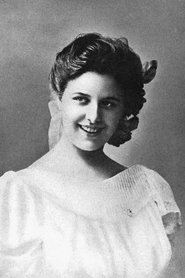
Geraldine Farrar
Actor
Born: February 28, 1882 in Melrose, Massachusetts, United States Died: March 11, 1967 Active: 1901-1922 (opera), 1915-1920 (film)
Films
4 films
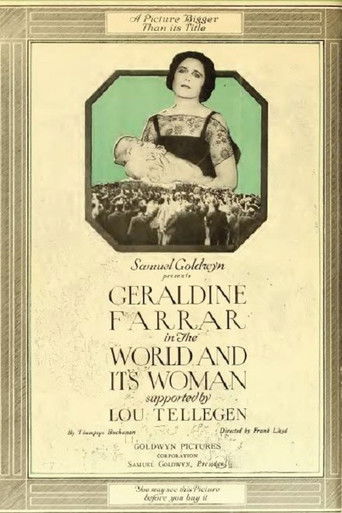
About Geraldine Farrar
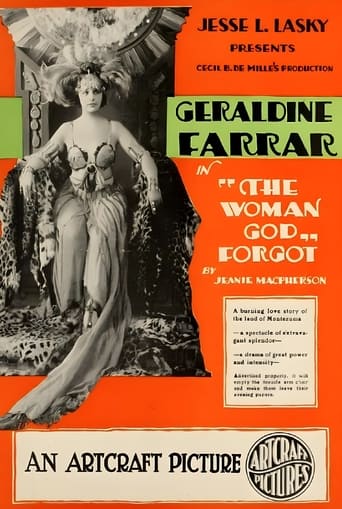
Celebrated American operatic soprano who achieved international fame on both the opera stage and in silent cinema. Born in Melrose, Massachusetts, she began her musical training early and made her operatic debut in Berlin in 1901, quickly becoming a sensation at the Metropolitan Opera in New York. Farrar's transition to film in 1915 marked a significant moment in cinema history, as she brought legitimate artistic credibility to the new medium. Her film career, though brief (1915-1920), produced some of the most artistically ambitious silent films of the era, particularly her collaborations with director Cecil B. DeMille. After retiring from films, she returned to her first love, opera, and continued performing until 1922. Farrar authored several books, including an autobiography, and remained a respected figure in the arts community until her death in 1967, leaving behind a legacy as one of the few artists to achieve superstardom in both opera and film.
The Craft
On Screen
Farrar brought operatic intensity and dramatic gravitas to her film performances, characterized by expressive gestures and powerful emotional delivery typical of the theatrical tradition. Her acting style emphasized grand, sweeping movements and facial expressions that could convey complex emotions without dialogue, drawing from her extensive operatic training. She possessed a commanding screen presence that combined aristocratic bearing with passionate vulnerability, making her particularly effective in dramatic and tragic roles.
Milestones
- Metropolitan Opera debut in 1906
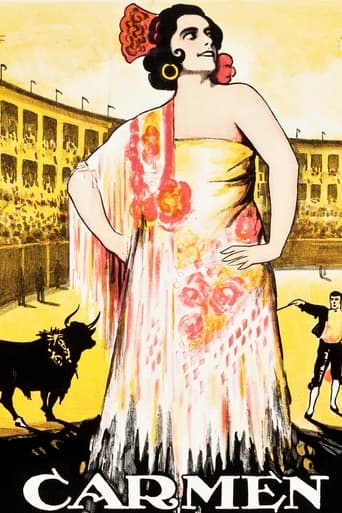
- Film debut in 'Carmen' (1915)
- Collaboration with Cecil B. DeMille on multiple films
- First opera singer to achieve major film stardom
- Published autobiography 'Such Sweet Compulsion' in 1938
- Received the French Legion of Honor in 1919
Best Known For
Iconic Roles
Must-See Films
Accolades
Won
- French Legion of Honor (1919)
- Metropolitan Opera's highest honor for artistic achievement
Special Recognition
- Star on the Hollywood Walk of Fame (for contributions to motion pictures)
- Inducted into the American Classical Music Hall of Fame
- Honorary doctorate from several universities
Working Relationships
Worked Often With
Studios
Why They Matter
Impact on Culture
Geraldine Farrar's impact on both opera and cinema was profound, as she bridged two artistic worlds and helped legitimize film as a medium for serious artistic expression. Her success in silent films demonstrated that classical artists could achieve mass appeal, paving the way for other opera singers and classical musicians to enter the film industry. Farrar's films, particularly her collaborations with DeMille, elevated the artistic ambitions of American cinema during its formative years. She was one of the first true crossover stars, proving that talent could transcend medium boundaries and that audiences would embrace sophisticated artistic content in popular entertainment.
Lasting Legacy
Geraldine Farrar's legacy endures as proof of artistic versatility and the power of crossing artistic boundaries. She is remembered as one of the Metropolitan Opera's greatest stars, with over 500 performances to her credit, and as a figure in cinema who brought operatic grandeur to the silver screen. Her recordings continue to be studied by vocal students, and her films are preserved as important examples of early American cinema's artistic aspirations. Farrar's autobiography and numerous writings provide valuable insights into the cultural life of early 20th-century America. She remains an inspiration for artists seeking to work across multiple media and for women pursuing independent careers in the arts.
Who They Inspired
Farrar influenced generations of performers by demonstrating that artistic integrity and popular success could coexist. Her success in both opera and film inspired other classical musicians to explore cinema, including Grace Moore and Lawrence Tibbett. Her dramatic approach to performance influenced silent film acting techniques, particularly in the portrayal of complex female characters. Opera singers continue to study her recordings and performance style, while film historians recognize her role in elevating cinema's artistic aspirations. Her independent lifestyle and refusal to conform to traditional gender roles made her an early feminist icon in the performing arts world.
Off Screen
Geraldine Farrar led a colorful personal life marked by high-profile relationships and artistic passions. She never married but had numerous romantic affairs, including a well-documented relationship with Italian conductor Arturo Toscanini during her early opera years. Farrar was known for her independent spirit and refusal to conform to societal expectations for women of her era. She maintained a close friendship with Enrico Caruso and was part of New York's elite social circles. Later in life, she became an avid gardener and maintained a beautiful estate in Ridgefield, Connecticut, where she hosted artistic gatherings until her death.
Education
Studied voice in Boston with Mrs. J. H. Long, continued training in Paris with Jean de Reszke and in Berlin with Lilli Lehmann
Did You Know?
- Was one of the highest-paid actresses of her time, earning $4,000 per week in 1915
- Spoke fluent French, German, and Italian, which helped her international opera career
- Was the first opera singer to sign a long-term film contract
- Her 1915 film 'Carmen' was one of the first films to use color tinting for dramatic effect
- Had a pet monkey named Jocko who often accompanied her to rehearsals
- Was a close friend of inventor Thomas Edison, who admired her recordings
- Survived the 1918 flu pandemic despite performing throughout the outbreak
- Her voice was considered
- Was known for her elaborate costume collection, worth thousands of dollars
- Refused to sing at the White House because she disagreed with President Wilson's policies
In Their Own Words
I would rather be a first-rate opera singer than a second-rate movie star, but why not be both?
The stage is my home, but the camera is my window to the world.
Art knows no boundaries - neither should the artist.
In opera, we project to the last row; in film, we must project to the last century.
Success is not measured by applause, but by the hearts you touch.
Frequently Asked Questions
Who was Geraldine Farrar?
Renowned American operatic soprano who achieved international fame both at the Metropolitan Opera and as a silent film star. She was one of the first classical artists to successfully transition to cinema, starring in several acclaimed films between 1915-1920, particularly in collaborations with director Cecil B. DeMille.
What films is Geraldine Farrar best known for?
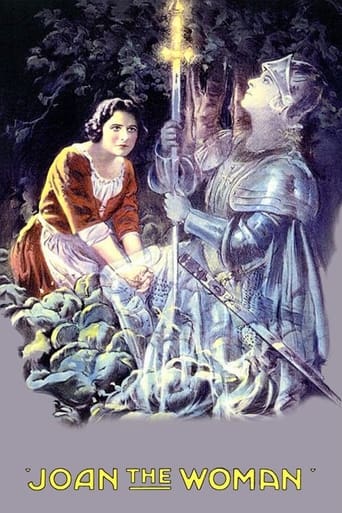
Titles linked here include Carmen (1915), Joan the Woman (1916).
When was Geraldine Farrar born and when did she die?
Born February 28, 1882; died March 11, 1967.
What awards did Geraldine Farrar win?
Farrar received the French Legion of Honor in 1919 for her cultural contributions, and she was honored with the Metropolitan Opera's highest artistic achievement award. She also received a star on the Hollywood Walk of Fame for her contributions to motion pictures and was posthumously inducted into the American Classical Music Hall of Fame.
What was Geraldine Farrar's acting style?
Farrar's acting style was heavily influenced by her operatic training, characterized by grand gestures, expressive facial features, and powerful emotional delivery. She brought theatrical intensity and dramatic gravitas to her film performances, using sweeping movements and classical techniques to convey complex emotions without dialogue, making her particularly effective in dramatic and tragic roles.