
Henry Victor
Actor
Born: October 2, 1892 in London, England Died: March 15, 1945 Active: 1915-1945
Films
2 films
About Henry Victor
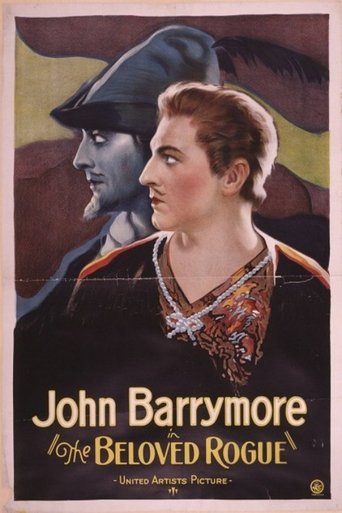
Henry Victor appears once in this catalog: The Beloved Rogue (1927). Born in London in 1892, he began his career on the British stage before transitioning to films in the mid-1910s. His imposing physical presence and commanding voice made him particularly effective in villainous and authoritative roles throughout his career. Victor successfully navigated the challenging transition from silent films to talkies, demonstrating remarkable versatility across genres including historical dramas, horror films, and biographical pictures. His performance as King Louis XI in 'The Beloved Rogue' (1927) alongside John Barrymore showcased his ability to bring historical figures to life with gravitas and authenticity. Throughout the 1930s, he appeared in numerous notable productions, often typecast as foreign antagonists or men of authority due to his distinctive European appearance and accent. Despite never achieving leading man status, Victor became one of Hollywood's most reliable character actors, appearing in over 80 films before his untimely death in 1945 at age 52.
The Craft
On Screen
Henry Victor was known for his commanding screen presence and authoritative demeanor, which made him particularly effective in roles requiring gravitas and intimidation. His acting style was rooted in classical theatrical training, evident in his precise diction and deliberate movements. Victor excelled at portraying foreign villains, aristocrats, and men of power, bringing a sophisticated menace to his antagonistic roles. His deep, resonant voice and imposing physical stature allowed him to dominate scenes even when not the central character. Despite often being typecast, Victor brought nuance and intelligence to his roles, avoiding mere caricature in his portrayals of European characters.
Milestones
- Breakthrough role in 'The Beloved Rogue' (1927) opposite John Barrymore
- Memorable performance as the Sultani in Universal's 'The Mummy' (1932)
- Appeared in Academy Award-winning 'The Story of Louis Pasteur' (1936)
- Successfully transitioned from silent films to talkies
- Prolific character actor with over 80 film appearances
Best Known For
Iconic Roles
Must-See Films
Working Relationships
Worked Often With
Studios
Why They Matter
Impact on Culture
Henry Victor contributed significantly to the development of character acting in early Hollywood, particularly in establishing the archetype of the sophisticated European villain. His performances in horror films like 'The Mummy' helped define the visual and dramatic language of the genre during its formative years. Victor's ability to seamlessly transition between different types of authoritative roles demonstrated the growing sophistication of supporting characters in Golden Age cinema. His work in historical epics and period dramas helped establish standards for authenticity in costume films during the transition from silent to sound cinema.
Lasting Legacy
Henry Victor's legacy lies in his substantial body of work as one of Hollywood's most reliable character actors during the golden age of studio filmmaking. While never a household name, his performances continue to be appreciated by film historians and classic cinema enthusiasts for their professionalism and technical excellence. Victor's filmography serves as a valuable record of the evolution of character acting in early Hollywood, particularly in the horror and historical drama genres. His ability to portray convincing European characters without resorting to offensive stereotypes set a standard for subsequent generations of character actors.
Who They Inspired
Victor influenced subsequent generations of character actors through his demonstration of how supporting roles could be elevated through careful preparation and professional execution. His work in horror films helped establish conventions that would be followed by countless actors in the genre. His success in portraying authority figures on screen influenced how such characters would be cast and performed in subsequent decades. While he didn't mentor specific actors directly, his film performances served as examples for actors studying the craft of character acting.
Off Screen
Henry Victor was married twice during his lifetime. His first marriage was to actress Elsie Mackay in 1924, though the union ended in divorce. He later married actress Rosemary Theby in 1934, with whom he remained until his death. Victor was known among his colleagues as a professional and dedicated actor who took his craft seriously. Despite his extensive film career, he maintained a relatively private personal life, with little public information available about his interests outside of acting. His death in 1945 cut short a career that was still active and productive.
Family
- Elsie Mackay (1924-1933)
- Rosemary Theby (1934-1945)
Did You Know?
- Despite being British, he was often cast as various European nationalities including French, German, and Eastern European characters
- His role in 'The Mummy' (1932) was originally intended for Bela Lugosi
- He appeared in both the silent and sound versions of some films during the transition period
- Victor was fluent in multiple languages, which helped him secure diverse ethnic roles
- He worked with horror icons Boris Karloff and Bela Lugosi in separate films
- His height of 6'2" and imposing presence made him ideal for authority figures
- He continued acting in films until the year of his death, appearing in his final film 'The Man Who Walked Alone' (1945)
- Victiv was one of the few actors to successfully work in both British and American film industries during his era
In Their Own Words
In acting, as in life, authority comes not from volume but from conviction - a philosophy I applied to every role, whether king or commoner.
Frequently Asked Questions
Who was Henry Victor?
British character with credits in this catalog.
What films is Henry Victor best known for?
Titles linked here include The Beloved Rogue (1927), The Mummy (1932).
When was Henry Victor born and when did he die?
Born October 2, 1892; died March 15, 1945.
What awards did Henry Victor win?
Despite his extensive career and numerous memorable performances, Henry Victor did not receive major industry awards or Academy Award nominations during his lifetime.
What was Henry Victor's acting style?
Henry Victor was known for his commanding screen presence, classical training, and ability to portray authority figures with gravitas. His deep voice and imposing stature made him particularly effective in villainous and aristocratic roles.
How did Henry Victor transition from silent to sound films?
Henry Victor successfully made the transition from silent to sound films due to his theatrical training, clear diction, and resonant voice, allowing him to continue working steadily through the 1930s and early 1940s.
Was Henry Victor married?
Yes, Henry Victor was married twice - first to actress Elsie Mackay from 1924 to 1933, and later to actress Rosemary Theby from 1934 until his death in 1945.