
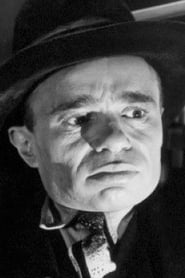
Angelo Rossitto
Actor
Born: February 18, 1908 in Omaha, Nebraska, USA Died: September 21, 1991 Active: 1927-1987 Birth Name: Angelo Salvatore Rossitto
Films
3 films
About Angelo Rossitto
Angelo Salvatore Rossitto — American actor who became one of Hollywood's most recognizable character actors through his prolific career spanning six decades. Born with dwarfism, he stood just 3'11" tall and began his film career as a teenager in the silent era, quickly establishing himself as a versatile performer capable of playing both comic and dramatic roles. Rossitto worked extensively throughout the Golden Age of Hollywood, appearing in over 70 films and collaborating with directors like Tod Browning and John Ford. He gained particular fame for his role in the controversial cult classic 'Freaks' (1932), which showcased his ability to bring depth and dignity to characters that might otherwise have been played for mere spectacle. Beyond his acting career, Rossitto also worked as a stunt performer and appeared in numerous television shows during the medium's early years. His longevity in the industry was remarkable, as he continued working well into the 1980s, making him one of the few silent era actors to successfully transition through every major phase of Hollywood history. Rossitto's career broke barriers for performers with physical differences and helped establish more nuanced representations of dwarf characters in American cinema.
The Craft
On Screen
Rossitto was known for his versatile and dignified acting style that transcended the limitations often imposed on actors with dwarfism during his era. He brought remarkable emotional depth to his roles, whether playing comic relief, menacing villains, or sympathetic characters. His physical presence was commanding despite his small stature, and he possessed a distinctive voice and expressive face that made him memorable in even the smallest roles. Rossitto approached each character with professionalism and refused to be typecast solely based on his height, demonstrating range from broad comedy to intense drama.
Milestones
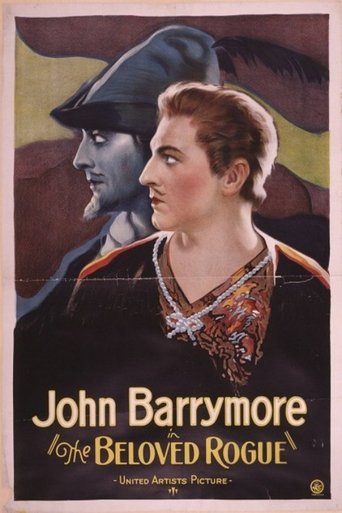
- Breakthrough role in 'The Beloved Rogue' (1927) opposite John Barrymore
- Iconic performance in 'Freaks' (1932) directed by Tod Browning
- Appeared as a Munchkin in 'The Wizard of Oz' (1939)
- Starred in the all-midget cast western 'The Terror of Tiny Town' (1938)
- Long-running role as 'Little Moe' in the 'Bowery Boys' film series
- Transitioned successfully to television in the 1950s and 1960s
- Final film appearance in 'The Lost Boys' (1987)
Best Known For
Iconic Roles
Must-See Films
Accolades
Special Recognition
- Hollywood Walk of Fame Star (6600 Hollywood Boulevard)
- Inducted into the Dwarf Actors Hall of Fame
Working Relationships
Worked Often With
Studios
Why They Matter
Impact on Culture
Angelo Rossitto significantly impacted Hollywood's representation of performers with dwarfism, helping to move beyond mere spectacle toward more nuanced character portrayals. His work in 'Freaks' remains controversial but groundbreaking for its attempt to humanize sideshow performers. Rossitto's longevity in the industry, from silent films through the 1980s, demonstrated the evolving attitudes toward physical differences in entertainment. He appeared in some of the most iconic films of the Golden Age, ensuring that performers with dwarfism remained visible to audiences across generations. His career helped pave the way for future actors with dwarfism to be taken seriously as performers rather than just novelties.
Lasting Legacy
Angelo Rossitto's legacy endures as one of Hollywood's most prolific and recognizable character actors. His six-decade active years covered the entire evolution of American cinema, from the silent era to modern blockbusters. Rossitto broke barriers for performers with physical differences, demonstrating that talent and professionalism could transcend physical limitations. His appearances in classic films like 'Freaks' and 'The Wizard of Oz' have ensured his place in film history, while his work in the Bowery Boys series made him a familiar face to generations of moviegoers. Today, he is remembered not just as a dwarf actor, but as a skilled performer who brought dignity and depth to every role he undertook.
Who They Inspired
Rossitto influenced subsequent generations of actors with dwarfism by demonstrating that successful careers in Hollywood were possible beyond typecasting and exploitation. His professional approach and versatility showed that actors with dwarfism could play a wide range of characters, not just comic relief or villains. Many later performers, including Billy Curtis and Billy Barty, followed in his footsteps, building on the foundation Rossitto helped establish. His ability to maintain steady employment through changing Hollywood eras provided a model for career longevity that inspired others facing similar challenges in the industry.
Off Screen
Angelo Rossitto led a relatively private life away from the cameras, though he was known to be married and had children. He faced the challenges of being a performer with dwarfism during an era when such conditions were often exploited for entertainment value. Despite the potential for discrimination in Hollywood, Rossitto maintained a steady career and was respected by his colleagues for his professionalism and talent. He lived in Los Angeles for most of his adult life and remained active in the entertainment industry until shortly before his death.
Education
Limited formal education due to starting his entertainment career at a young age
Family
- Unknown (marriage details not publicly documented)
Did You Know?
- Stood only 3 feet 11 inches tall
- Began his film career at age 19 in 1927
- Appeared in over 70 films throughout his career
- Was one of the few actors to work in both silent films and modern blockbusters
- His final film appearance was in 'The Lost Boys' (1987) at age 79
- Worked as a carnival performer before entering films
- Spoke multiple languages including Italian and English fluently
- Was a skilled horseman despite his small stature
- Performed many of his own stunts throughout his career
- Was a founding member of the Little People of America organization
In Their Own Words
I'm not a dwarf, I'm an actor who happens to be a dwarf
Hollywood has been good to me, but I had to be good to Hollywood first
Size doesn't matter when you have talent and determination
Frequently Asked Questions
Who was Angelo Rossitto?
American with credits in this catalog. He was best known for his roles in 'Freaks' (1932), 'The Wizard of Oz' (1939), and the Bowery Boys series, becoming.
What films is Angelo Rossitto best known for?
Titles linked here include Freaks (1932), The Wizard of Oz (1939).
When was Angelo Rossitto born and when did he die?
Born February 18, 1908; died September 21, 1991.
What awards did Angelo Rossitto win?
While Angelo Rossitto did not receive major acting awards during his lifetime, he was honored with a star on the Hollywood Walk of Fame at 6600 Hollywood Boulevard and was posthumously inducted into the Dwarf Actors Hall of Fame for his contributions to cinema.
What was Angelo Rossitto's acting style?
Rossitto was known for his versatile and dignified acting style that brought emotional depth to his roles beyond physical stereotypes. He demonstrated remarkable range from comedy to drama, refused to be limited by his stature, and approached each character with professionalism whether playing villains, comic relief, or sympathetic figures.