Films
3 films
About Clarissa Selwynne
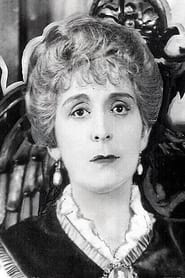
Clarissa Selwynne performed in silent-era and early feature films during the 1910s and 1920s. She is documented in surviving filmographies as an active screen performer in the early 1920s, including appearances in Dangerous Days (1920), Beau Brummel (1924), and Mademoiselle Midnight (1924). Like many dependable supporting players of the period, she seems to have specialized in small but useful roles rather than star parts, helping to populate the richly detailed social worlds of costume dramas and melodramas. Surviving information about her personal life is extremely limited, which is common for minor silent-era performers whose careers were largely recorded only in studio publicity and cast lists. Her screen work places her within the large cadre of British and American-based actresses who contributed essential texture to the silent film industry without becoming headline stars. Because the historical record is sparse, her exact birth and death details are not well documented in readily accessible modern reference sources. Nevertheless, her film credits indicate a working actress with a brief but tangible presence in early Hollywood production.
The Craft
On Screen
No detailed contemporary acting analysis of Clarissa Selwynne has survived in standard reference sources, but her known screen career suggests the practical, legible style typical of silent-era supporting actresses. Performers in this category generally relied on clear physical expression, controlled gesture, and precise facial work to convey characterization without dialogue. Her likely effectiveness came from adaptability and a polished screen presence suited to ensemble storytelling and period settings. Since extant documentation is limited, any further claims about her technique would be speculative.
Milestones
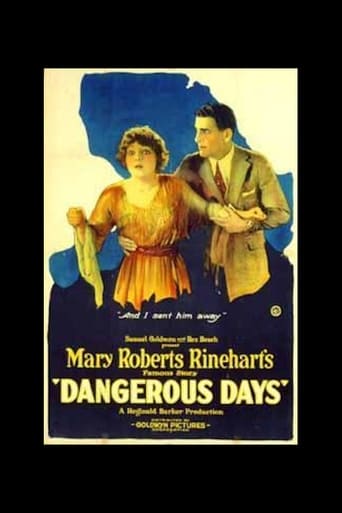
- Appeared in the silent drama Dangerous Days (1920), one of the earliest surviving screen credits associated with her career
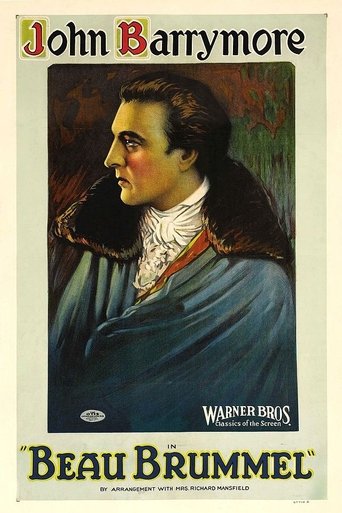
- Acted in the historical costume film Beau Brummel (1924), a production tied to the prestige period-piece cycle of the silent era
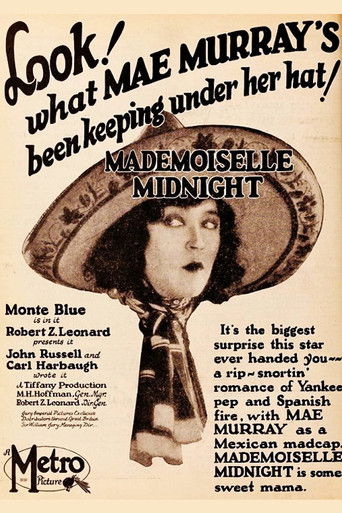
- Appeared in Mademoiselle Midnight (1924), showing continued work in mid-1920s feature films
- Worked as a supporting performer during the mature silent-film period, when character players were essential to studio storytelling
- Built a screen résumé in features associated with romantic, dramatic, and historical settings rather than contemporary star vehicles
Best Known For
Iconic Roles
Must-See Films
Why They Matter
Impact on Culture
Clarissa Selwynne's cultural importance lies less in stardom than in the supporting infrastructure of silent cinema. Character actresses like her helped make silent films feel socially populated and narratively credible, filling out drawing rooms, aristocratic households, and dramatic ensembles with recognizable screen types. Her credits in period and feature productions place her among the many working players whose contributions were necessary to the success of studio-era storytelling even when their names did not become marquee attractions. In this sense, her career reflects the often overlooked labor of the silent film industry, where dozens of performers shaped the tone, texture, and emotional clarity of movies that survive in film history largely through their stars and directors. Her presence in surviving filmographies also provides evidence of the international flow of talent between Britain and the American screen during the silent period.
Lasting Legacy
Her lasting legacy is primarily archival and historical: she represents the many supporting actresses whose names survive in cast lists, trade references, and silent-film databases even when personal details are scarce. For film historians, such performers are important because they help reconstruct the full ecology of early cinema, beyond the major stars whose careers are better documented. The survival of her name in credits such as Beau Brummel and Mademoiselle Midnight ensures that she remains part of the silent-era record, even if she is not a widely studied figure. Her career also underscores how many capable actors of the period worked steadily without the long-term fame enjoyed by top-billed contemporaries. In modern classic-cinema databases, she stands as a representative of the dependable supporting talent that sustained the silent screen.
Who They Inspired
There is no clear evidence that Clarissa Selwynne directly mentored major later performers or exerted a named artistic influence on identifiable stars. Her influence is best understood indirectly, through the broader tradition of silent-era supporting acting that established conventions of screen realism, clarity, and emotional economy. By participating in feature films during a formative period of cinematic storytelling, she contributed to the shared performance language that later generations of actors inherited. Her career is part of the foundation on which ensemble screen acting developed, even if her individual influence was not publicly chronicled.
Off Screen
Very little reliable biographical information about Clarissa Selwynne's personal life is readily available in standard film references. No widely documented record of marriages, children, or household life is commonly cited in accessible classic-cinema sources. As with many minor silent-era performers, her private life may have remained outside the publicity machinery that preserved the careers of major stars. Because the historical record is sparse, it is not possible to provide confident details without risking error.
Did You Know?
- Clarissa Selwynne is best remembered today through surviving film credits rather than through extensive biographical documentation.
- Her known screen activity falls entirely within the silent-film era.
- She appears to have worked primarily as a supporting actress rather than a marquee star.
- Her credits include at least one historical or costume film, Beau Brummel (1924), a common prestige genre of the 1920s.
- The historical record on her life is sparse enough that many standard references do not provide birth or death details.
- She is an example of the many British or British-associated performers who appeared in American silent films.
- Her filmography suggests an active but brief recorded career in the early 1920s.
- Like many silent-era actors, much of her personal history may be lost due to incomplete archival preservation.
Frequently Asked Questions
Who was Clarissa Selwynne?
British silent-era character actress whose surviving screen credits place her in early 1920s feature films. She is best known today from film history records rather than from extensive biographical documentation.
What films is Clarissa Selwynne best known for?
Titles linked here include Dangerous Days (1920), Beau Brummel (1924).
When was Clarissa Selwynne born and when did she die?
Her birth and death dates are not reliably documented in the readily accessible classic-cinema sources used here. At present, those details should be treated as unknown rather than assumed.
What awards did Clarissa Selwynne win?
No awards or formal honors are currently documented for Clarissa Selwynne in the available historical record. This is not unusual for supporting performers from the silent era, whose careers were often not tracked through modern award systems.
What was Clarissa Selwynne's acting style?
There is no surviving detailed critical profile of her technique, but as a silent-era supporting actress she likely relied on clear gesture, expressive facial acting, and strong screen presence. Her roles suggest a practical, ensemble-oriented style suited to melodrama and period storytelling.
What is Clarissa Selwynne's legacy in film history?
Her legacy lies in the historical record of silent cinema and in the many supporting performances that made early films believable and complete. She represents the working actors whose contributions are essential to film history even when their names are not widely known.