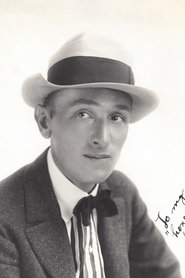
Paul Powell
Director
Born: September 6, 1881 in Peoria, Illinois, USA Died: July 2, 1944 Active: 1914-1925
Films
4 films

About Paul Powell
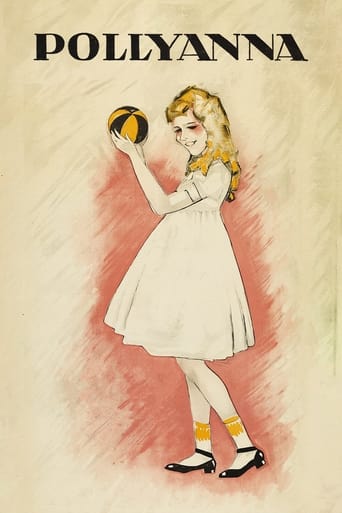
American film director who rose to prominence during the silent film era, best known for his collaborations with major stars of the period. Born in Illinois in 1881, Powell began his film career in the early 1910s after working as a newspaper reporter and teacher at a military academy. He joined Famous Players-Lasky Corporation (later Paramount Pictures) where he directed numerous feature films, establishing himself as a reliable director capable of handling both dramatic and sentimental material. Powell's career reached its zenith when he directed Mary Pickford, one of the era's biggest stars, in several films including the highly successful adaptation of Pollyanna in 1920. His directorial style emphasized emotional storytelling and was particularly effective in family-oriented productions that appealed to mainstream audiences. As the film industry transitioned to sound and new talent emerged, Powell's directing career gradually diminished, though he remained involved in the industry through other capacities. He spent his later years in Los Angeles, where he passed away in 1944, leaving behind a legacy of silent era cinema that captured the sentimentality and values of his time.
The Craft
Behind the Camera
Paul Powell's directing style emphasized emotional storytelling and sentimentality, particularly effective in family-oriented productions. He demonstrated skill in working with major stars and extracting performances that resonated with audiences of the silent era. His approach favored clear narrative progression and visual storytelling that could convey complex emotions without dialogue. Powell was adept at adapting literary works for the screen, maintaining the essence of source material while making them cinematic. His direction in Pollyanna showcased his ability to create wholesome, uplifting entertainment that appealed to broad family audiences.
Milestones
- Directed Mary Pickford in Pollyanna (1920)
- Multiple collaborations with major silent era stars
- Staff director at Famous Players-Lasky Corporation
- Successful adaptation of literary works to film
- Transition from short films to feature-length productions
Best Known For
Must-See Films
Working Relationships
Worked Often With
Studios
Why They Matter
Impact on Culture
Paul Powell contributed to the development of family entertainment in American cinema during the silent era, particularly through his work on adaptations of popular literature. His direction of Pollyanna helped establish Mary Pickford's image as 'America's Sweetheart' and demonstrated the commercial viability of wholesome, sentimental family films. Powell's work reflected the values and sensibilities of early 20th-century American society, providing audiences with moralistic yet entertaining content that resonated across demographic lines. His films, though not revolutionary in technique, helped solidify the narrative conventions that would become standard in Hollywood family entertainment for decades to come.
Lasting Legacy
Paul Powell's legacy lies primarily in his contribution to silent era family entertainment and his collaborations with some of the biggest stars of the period. His most enduring work, Pollyanna (1920), remains a significant example of early literary adaptation and helped cement Mary Pickford's status as one of cinema's first true superstars. While Powell himself did not achieve the lasting fame of some of his contemporaries, his films represent the commercial and artistic values of mainstream Hollywood during its formative years. His career trajectory also illustrates the challenges faced by many silent era directors who struggled to maintain relevance as the industry evolved toward sound and new cinematic styles.
Who They Inspired
Powell influenced subsequent generations of family film directors through his successful adaptation of literary works and his ability to create emotionally resonant entertainment suitable for all ages. His work with Mary Pickford demonstrated the commercial potential of star-driven family productions, a model that would be replicated throughout Hollywood history. While not a technical innovator, Powell's emphasis on clear storytelling and emotional accessibility provided a template for mainstream family entertainment that continues to influence the genre today.
Off Screen
Paul Powell led a diverse professional life before entering the film industry, working as a newspaper reporter and teaching at a military academy. He married actress and screenwriter June Mathis, though the marriage ended in divorce. Powell was known for his professionalism and reliability within the studio system, which helped maintain his career during the competitive silent era. He eventually settled in Los Angeles where he lived until his death in 1944 at the age of 62.
Education
Educated in Illinois; attended school in Peoria before pursuing journalism and teaching careers
Family
- June Mathis (1918-1920)
Did You Know?
- Worked as a newspaper reporter before entering the film industry
- Taught at a military academy prior to his Hollywood career
- Married screenwriter June Mathis,
- Directed multiple films starring Mary Pickford, the biggest star of the silent era
- Pollyanna (1920) was one of the highest-grossing films of its year
- His career coincided with the transition from short films to feature-length productions
- Worked primarily for Famous Players-Lasky, which later became Paramount Pictures
- Most of his films are now considered lost, a common fate for silent era productions
- His directing style emphasized sentimentality and moral values typical of the period
Frequently Asked Questions
Who was Paul Powell?
American on YTB.my.
What films is Paul Powell best known for?
When was Paul Powell born and when did he die?
Born September 6, 1881; died July 2, 1944.
What awards did Paul Powell win?
Paul Powell did not receive major formal awards during his career, as many modern film awards were not established during the silent era when he was most active.
What was Paul Powell's directing style?
Powell's directing style emphasized emotional storytelling and sentimentality, particularly effective in family-oriented productions. He excelled at adapting literary works and working with major stars to create accessible, mainstream entertainment that appealed to broad audiences.