Films
4 films
About James O. Barrows
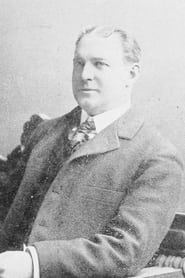
Silent-era character actor who worked in American feature films during the early 1920s, a period when supporting performers helped define the texture of studio productions even when their names did not always reach marquee status. The surviving film record places him in several pictures between 1920 and 1926, including Down Home, The Pride of Palomar, The Tomboy, and The Sea Beast, indicating that he remained active through the heart of the silent-film decade. Like many working actors of the era, he appears to have specialized in reliable supporting work rather than star billing, contributing presence and authenticity to productions that relied heavily on ensemble casts. His screen career falls entirely within silent cinema, before the transition to synchronized sound reshaped Hollywood employment and often narrowed opportunities for older or less prominently marketed players. Because extant biographical records on him are limited, many details of his personal life, education, and later years remain undocumented in mainstream film references. Even so, his filmography places him within the professional network of early 1920s Hollywood and ties him to several notable productions from the period. He is best remembered today as one of the many skilled but elusive artisans whose work helped sustain the classical silent-film industry.
The Craft
On Screen
No detailed contemporary criticism of James O. Barrows's performance style has survived in widely accessible sources, but his work in silent features suggests a functional, expressive supporting-actor approach suited to the medium. Performers in this category often relied on clear physical business, readable facial expression, and economical movement to register character quickly without spoken dialogue. His credits imply that he was employed as a dependable ensemble player rather than as a star-identified comedian, villain, or romantic lead. In silent cinema, that kind of versatility was essential, especially in productions that demanded believable social types, authority figures, or local color.
Milestones
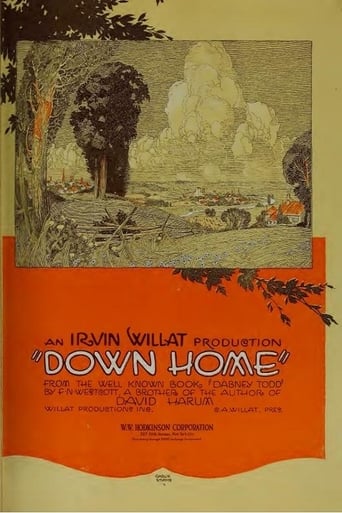
- Appeared in the silent-era feature Down Home (1920), one of the earliest film credits associated with his screen career.
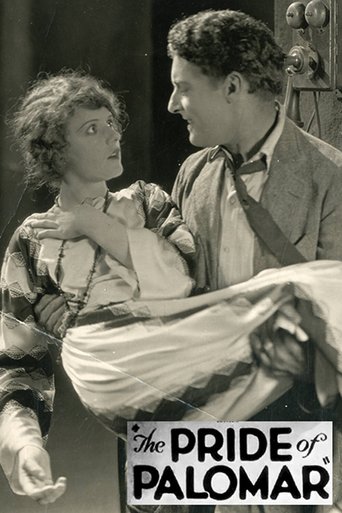
- Worked in The Pride of Palomar (1922), connecting him to a better-known Paramount-era silent feature.
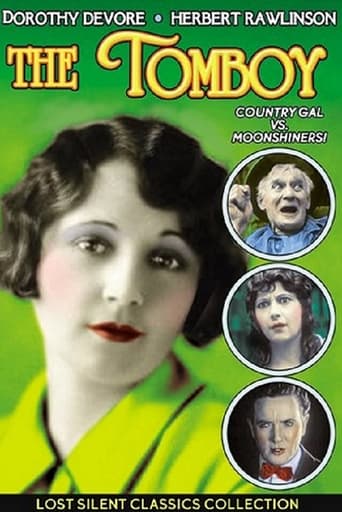
- Appeared in The Tomboy (1924), demonstrating continued activity through the mid-1920s silent period.
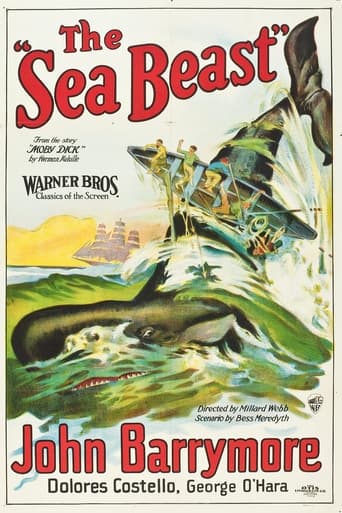
- Was cast in The Sea Beast (1926), linking him to one of the era's notable seafaring adventure dramas and a major John Barrymore vehicle.
- Maintained a screen career spanning the core of the silent-feature boom, when Hollywood was standardizing narrative style and production scale.
Best Known For
Iconic Roles
Must-See Films
Why They Matter
Impact on Culture
James O. Barrows represents a large but often under-acknowledged class of silent-era film workers: the dependable supporting performer whose name may appear only briefly in surviving credits yet whose presence contributed materially to the coherence of studio storytelling. In classic Hollywood history, such actors were essential to the system because they gave texture to frontier dramas, melodramas, adventure films, and social comedies, helping lead players stand out against a believable world. Although he does not appear to have achieved star status, his participation in films like The Sea Beast places him within productions that remain significant in the study of silent-era genre cinema. His career reminds modern viewers that the studio era was built not only by marquee names but also by a large network of working players whose craftsmanship supported the industry’s output year after year.
Lasting Legacy
His legacy lies primarily in the historical record of silent-film performance rather than in celebrity. For film historians, actors like Barrows are valuable because they help reconstruct casting practices, studio ensembles, and the everyday labor structure of early Hollywood. Even when little personal data survives, the filmography itself provides evidence of a professional actor active during a crucial developmental stage of American cinema. He remains part of the broader legacy of silent-era character performers whose work helped define the look and rhythm of classic film acting.
Who They Inspired
There is no documented evidence that James O. Barrows directly trained notable later performers or had a widely recognized influence on acting technique. His influence is best understood indirectly, through the traditions of silent-era ensemble acting that informed later character work in Hollywood. Supporting actors of his type helped establish the practical standards of screen realism, timing, and visual clarity that continued into the sound era. In that sense, his contribution belongs to the collective influence of silent-film professionals who shaped the grammar of screen performance.
Off Screen
No reliable mainstream biographical sources currently provide verified details about James O. Barrows's family life, marriages, children, or life outside the film industry. As with many silent-era supporting actors, his career documentation is fragmentary, and his personal story may survive only in studio paperwork, trade listings, or archival records that have not been widely digitized. No well-established public record could be confirmed here regarding spouses, descendants, residence, or post-screen-life activities.
Did You Know?
- His known screen career, as currently documented, falls entirely within the silent era.
- He is associated with The Sea Beast (1926), a notable late-silent adventure film.
- His credited filmography suggests steady supporting-actor work rather than top-billed stardom.
- He appears to have remained active across at least six years of the 1920s, a respectable span in a rapidly changing industry.
- He is one of many classic-era performers whose surviving documentation is sparse, making archival research especially important.
- Because his name is relatively obscure, he is easy to confuse with similarly named individuals, so careful identification is important.
- His career illustrates how many silent-film actors worked across multiple genres and studio productions without achieving enduring fame.
Frequently Asked Questions
Who was James O. Barrows?
Silent-era American film with credits in this catalog. Surviving records place him in productions such as Down Home, The Pride of Palomar, The Tomboy, and The Sea Beast.
What films is James O. Barrows best known for?
Titles linked here include Down Home (1920), The Pride of Palomar (1922).
When was James O. Barrows born and when did he die?
Reliable public biographical records currently available do not confirm his birth or death dates. His documented film activity shows that he was active between 1920 and 1926, but further personal details remain elusive.
What awards did James O. Barrows win?
No verified awards or major nominations are currently documented for James O. Barrows in surviving mainstream film references. Like many silent-era supporting actors, his contribution is remembered more through film credits than formal honors.
What was James O. Barrows's acting style?
Specific contemporary descriptions of his technique have not survived in widely accessible sources, but his work as a silent-era supporting actor would have depended on clear physical expression and readable screen presence. Actors in his position typically specialized in efficient, believable character work that supported the film’s lead performances.
What is James O. Barrows's legacy in film history?
His legacy is that of a working silent-film actor whose appearances helped support the storytelling of early Hollywood features. Even without star status, performers like Barrows were essential to the development of studio-era screen acting and the overall texture of classic cinema.
Was James O. Barrows a leading man or a character actor?
The surviving record suggests that he was a supporting or character actor rather than a leading man. His credits are associated with ensemble work in features from the silent era, where such performers were indispensable to the finished film.