Films
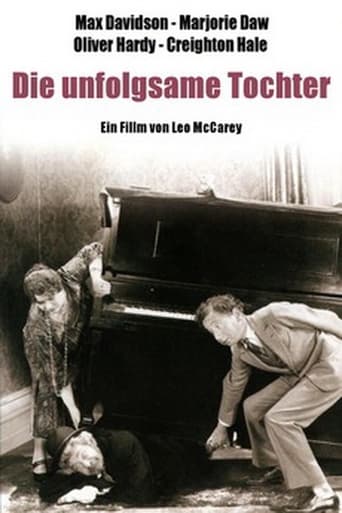
1 film
About Jesse De Vorska
Jesse De Vorska appears once in this catalog: Why Girls Say No (1927). His career was notably brief, with his only documented film appearance being in the 1927 comedy short 'Why Girls Say No.' Like many actors of the silent era, De Vorska's career was likely impacted by the industry's dramatic shift to sound films, which rendered many silent-era performers obsolete due to voice incompatibility or lack of dramatic training for talkies. His single film credit suggests he may have been a bit player, extra, or someone attempting to break into the industry during one of its most volatile periods. The late 1920s saw massive turnover in Hollywood personnel as studios adapted to new technologies and audience demands. Unfortunately, like many peripheral figures from this era, detailed biographical information about De Vorska's life, training, or career aspirations has been lost to time, making him representative of the countless anonymous contributors to early cinema history.
The Craft
Milestones
- Appeared in the silent comedy short 'Why Girls Say No' (1927)
Best Known For
Must-See Films
Why They Matter
Impact on Culture
Jesse De Vorska represents the thousands of anonymous performers who contributed to early cinema but whose names have been largely forgotten by history. His single film credit during the silent era's final years exemplifies the transient nature of early Hollywood careers, where many actors appeared in only one or two films before disappearing from the industry entirely. The lack of detailed information about De Vorska and similar performers highlights the historical challenges in documenting the lives of bit players and supporting actors who formed the backbone of silent film productions but never achieved star status.
Lasting Legacy
Jesse De Vorska's legacy is primarily as a representative example of the ephemeral nature of early Hollywood careers. His brief appearance in film history serves as a reminder of the countless actors, extras, and performers who contributed to cinema's development but whose stories have been lost to time. While he did not achieve lasting fame, his inclusion in film credits represents the collaborative nature of filmmaking and the importance of even minor contributors to the art form's evolution.
Who They Inspired
Due to the extremely limited nature of Jesse De Vorska's documented film career, there is no evidence of direct influence on other actors or filmmakers. His brief appearance during the silent era's final years places him among the many transitional figures who witnessed but did not significantly shape cinema's evolution from silent to sound films.
Off Screen
Very little personal information is available about Jesse De Vorska, which is typical for minor actors from the silent era who did not achieve lasting fame. His brief appearance in film history suggests he may have been one of the many aspiring actors who attempted to capitalize on Hollywood's golden age but did not achieve sustained success.
Did You Know?
- Jesse De Vorska's only known film appearance was in 1927, the same year 'The Jazz Singer' revolutionized cinema with sound
- The film 'Why Girls Say No' was a comedy short, a popular format during the silent era
- 1927 was the final year of the silent era's dominance in Hollywood
- Many actors with single film credits from this period were likely extras or bit players
- The lack of biographical information is typical for minor silent era performers
- Silent film actors often used stage names, making real identities difficult to trace
- The transition to sound in 1927-1928 ended many silent era careers overnight
- Film preservation was poor in the 1920s, and many silent films have been lost
Frequently Asked Questions
Who was Jesse De Vorska?
Silent film with credits in this catalog.' He represents one of the many minor performers from Hollywood's silent era who had brief film careers but did not achieve lasting fame.
What films is Jesse De Vorska best known for?
Titles linked here include Why Girls Say No (1927).
When was Jesse De Vorska born and when did they die?
Unfortunately, specific birth and death dates for Jesse De Vorska are not available in historical records, which is common for minor actors from the silent era who did not achieve significant fame or documentation.
What awards did Jesse De Vorska win?
There are no records of Jesse De Vorska receiving any major awards or nominations, which is typical for actors with very brief or minor film careers during the silent era.
What was Jesse De Vorska's acting style?
Due to the extremely limited documentation of Jesse De Vorska's career and the loss of most silent films, there is insufficient information to determine his specific acting style or technique.
Why is so little known about Jesse De Vorska?
The scarcity of information about Jesse De Vorska is typical of minor silent era performers who did not achieve star status. Poor record-keeping, the use of stage names, and the loss of films from this period have contributed to the lack of biographical details.