Joe Rock
Actor & Director
Born: December 25, 1893 in New York City, New York, USA Died: December 5, 1984 Active: 1915-1925 (as actor/director), continued as producer through late 1920s Birth Name: Joseph Rothenberg
Films
2 films
About Joe Rock
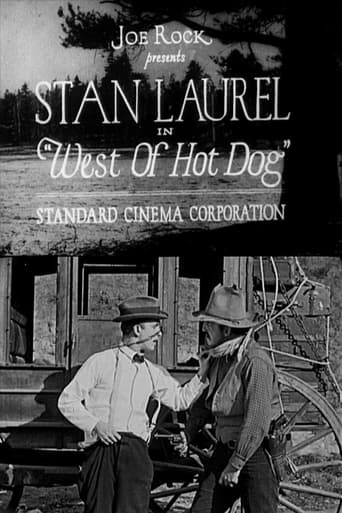
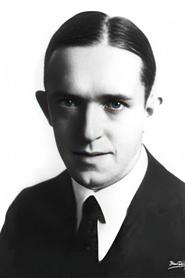
Joe Rock, born Joseph Rothenberg, was a prominent figure in American silent cinema who made significant contributions as both a performer and filmmaker. Beginning his career as a comedian in vaudeville, Rock transitioned to films around 1915 and quickly established himself as a popular character actor in comedy shorts. In 1918, he founded his own production company, Joe Rock Comedies, which produced numerous two-reel comedy films throughout the early 1920s. Rock's most significant contribution to cinema history was discovering and mentoring Stan Laurel, giving the future comedy legend his first substantial film roles and directing him in several shorts. He directed the 1924 film 'West of Hot Dog,' one of Laurel's early starring vehicles, showcasing Rock's keen eye for comedic talent. As an actor, he appeared in dozens of shorts between 1917 and 1924, including 'Rips and Rushes' (1917), often playing the comic relief or lead character. Rock retired from performing in the mid-1920s to focus solely on production work, though his filmmaking career effectively ended with the transition to sound. His legacy lives on through his role in launching Stan Laurel's career and his contributions to the golden age of silent comedy.
The Craft
On Screen
Rock — physical comedian known for his expressive face and slapstick timing, embodying the energetic style of silent film comedy with exaggerated gestures and broad movements typical of the era. His performances were characterized by a natural comedic rhythm that translated well from his vaudeville background to the screen, often playing the lovable but bumbling protagonist in his comedy shorts.
Behind the Camera
As a director, Rock favored straightforward, efficient storytelling that maximized comedic situations within the constraints of two-reel shorts. His directing approach emphasized clear visual gags and physical comedy, allowing his actors' talents to shine without excessive camera trickery, reflecting the practical sensibilities of a comedian-turned-filmmaker.
Milestones
- Founded Joe Rock Comedies production company (1918)
- Discovered and mentored Stan Laurel (1920)
- Directed 'West of Hot Dog' starring Stan Laurel (1924)
- Produced over 50 comedy shorts (1918-1925)
- Appeared in 'Rips and Rushes' (1917)
- Transitioned from vaudeville to film comedy
Best Known For
Iconic Roles
Must-See Films
Accolades
Special Recognition
- Recognized as Stan Laurel's discoverer and early mentor in film history
Working Relationships
Worked Often With
Studios
Why They Matter
Impact on Culture
Joe Rock's most significant cultural impact was his role in discovering and nurturing Stan Laurel, who would later become half of the comedy duo Laurel and Hardy. By giving Laurel his first starring roles and directing him in several films, Rock indirectly influenced the course of American comedy history. His production company also contributed to the vibrant ecosystem of independent comedy producers during the silent era, helping to establish the short comedy format that would dominate theaters throughout the 1920s.
Lasting Legacy
Joe Rock's legacy is primarily preserved through his crucial role in launching Stan Laurel's film career, making him an important footnote in the history of American comedy. His work as an independent producer during the silent era represents the entrepreneurial spirit that characterized early Hollywood, where comedians could create their own production companies and maintain creative control. Film historians and comedy enthusiasts recognize Rock as an important bridge between vaudeville and cinema comedy, helping to transition physical comedy from the stage to the screen.
Who They Inspired
Rock influenced the careers of several silent era comedians through his production company, though none achieved the lasting fame of Stan Laurel. His approach to comedy production, emphasizing efficient storytelling and physical humor, reflected industry standards that would influence comedy filmmaking throughout the silent era. His discovery and development of talent demonstrated the importance of mentorship in early Hollywood, a practice that would continue throughout film history.
Off Screen
Joe Rock was married to actress and comedian Ethel Broadhurst, with whom he often collaborated professionally. The couple had one child together. After retiring from active filmmaking, Rock invested in real estate and lived comfortably in California until his death at age 90. He maintained friendships with many silent era comedians throughout his life and occasionally appeared at film retrospectives in his later years.
Education
Limited formal education, primarily trained through vaudeville circuit experience
Family
- Ethel Broadhurst (1919-1960)
Did You Know?
- Born on Christmas Day 1893
- Changed his name from Joseph Rothenberg to Joe Rock for show business
- Discovered Stan Laurel performing in a music hall
- His production company produced over 50 comedy shorts
- Retired from filmmaking before the full transition to sound pictures
- Lived to age 90, outliving most of his silent era contemporaries
- Was a successful real estate investor after leaving film
- His wife Ethel Broadhurst was also a silent film comedian
- Often cast the same group of character actors in his productions
- His films were primarily distributed by Educational Pictures
In Their Own Words
I saw something in that skinny English kid that told me he was going to be a star
In comedy, timing isn't everything, it's the only thing
The best comedies are born from desperation, both on screen and off
Frequently Asked Questions
Who was Joe Rock?
American silent film actor, on YTB.my. He is best known for discovering and mentoring Stan Laurel, giving the future comedy legend his first major film roles and directing him in several early shorts.
What films is Joe Rock best known for?
Titles linked here include West of Hot Dog (1924), Rips and Rushes (1917).
When was Joe Rock born and when did he die?
Born December 25, 1893; died December 5, 1984.
What awards did Joe Rock win?
Joe Rock did not receive major formal awards during his career, as he worked primarily in the silent era before many modern film awards were established. His lasting recognition comes from his historical importance as Stan Laurel's discoverer and early mentor.
What was Joe Rock's acting and directing style?
As an actor, Rock specialized in physical comedy with exaggerated gestures and broad movements typical of silent film comedy. As a director, he favored straightforward, efficient storytelling that maximized comedic situations within the constraints of two-reel shorts, emphasizing clear visual gags and physical humor.
How did Joe Rock discover Stan Laurel?
Rock discovered Stan Laurel performing in a music hall in the early 1920s and immediately recognized his comedic potential. He offered Laurel a contract with his production company and cast him in several comedy shorts, effectively launching Laurel's film career before he later teamed with Oliver Hardy.
What happened to Joe Rock's career after the silent era?
Rock retired from active filmmaking around 1925, before the full transition to sound pictures. He invested his earnings in real estate and lived comfortably in California for the remainder of his life, occasionally appearing at film retrospectives and maintaining friendships from his Hollywood years.