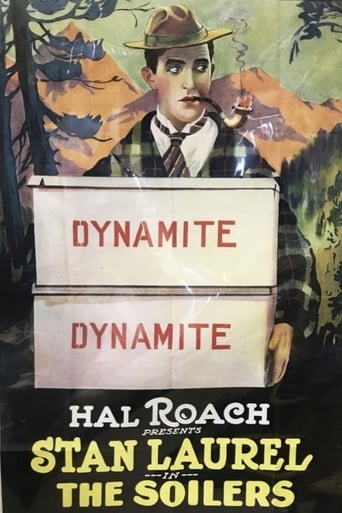
West of Hot Dog
"Inheritance, outlaws, and Hot Dog Gulch"
Keys: Space play/pause · ←/→ 10s · F fullscreen · M mute · </> speed
About this film
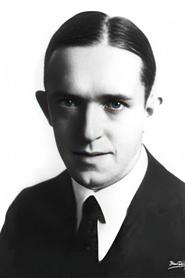
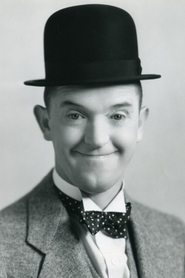
Stan travels to the small town of Hot Dog to collect an inheritance. He learns his late uncle left him everything - but in the event of Stan's death it all goes to his two outlaw cousins.
Cast & crew
More films like this
More Comedy films
View all →







More from Joe Rock
View all →
More about this film
About the production
Release dateJune 15, 1924
ProductionJoe Rock Comedies
Filmed inLos Angeles, California
This was one of the films Stan Laurel made during his contract with producer Joe Rock, who had rescued Laurel from financial difficulties. The film was shot quickly on a modest budget typical of comedy shorts of the era. The town set was likely a reused western set from other productions, a common practice to save costs during the studio system's early days.
Themes
Inheritance and greedThe innocence vs. corruption dichotomyFrontier justice parodyFamily rivalryComedy of errors
Themes & topics
Historical background
Programmers in 1924 slotted West of Hot Dog from Joe Rock Comedies beside newsreels, cartoons, and serial chapters.
Why this film matters
Repertory houses screen West of Hot Dog to show how 1924 filmmakers staged stan travels to the small town of hot dog to collect an inheritance.
Making of
The production of 'West of Hot Dog' took place during a crucial transitional period in Stan Laurel's career. After experiencing financial troubles following the breakup of his previous partnership with comedian Alice Cooke, Laurel signed with producer Joe Rock who essentially managed Laurel's career and output. Rock's production company operated on a factory-like system, churning out comedy shorts on tight schedules and even tighter budgets. The film was likely shot in just a few days, with minimal rehearsal time, which was standard practice for comedy shorts of this era. The western setting was economical as it allowed the use of existing sets and props from other productions. Laurel was developing his screen persona during this period, experimenting with the character traits that would later make him famous as half of Laurel and Hardy - the childlike innocence, the perpetual confusion, and the ability to turn disaster into comedy.
What critics said
Repertory notes on West of Hot Dog highlight survival of the print more than 1924 box-office records.
Did you know?
- This film was produced during Stan Laurel's period as a solo comedian before his partnership with Oliver Hardy began in 1927.
- Joe Rock, the director and producer, was instrumental in keeping Stan Laurel's career afloat during financially difficult times in the early 1920s.
- The film is considered lost, with no known surviving copies in any film archive or private collection.
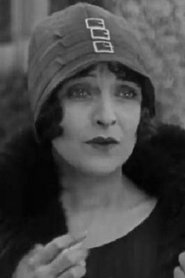
- Julie Leonard, who appears as the female lead, was a frequent co-star with Laurel during this period of his career.
- The title 'West of Hot Dog' was typical of the pun-heavy, slightly absurd titles given to comedy shorts of the silent era.
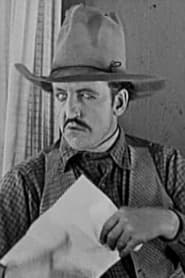
- Lew Meehan, who plays one of the outlaw cousins, would later become a familiar face in western films, often playing villains.
- This was one of approximately 12 films Laurel made for Joe Rock in 1924 alone, showing the prolific output required of comedy stars.
- The film's premise of inheritance-related comedy was a common trope in silent comedies, allowing for both physical gags and situational humor.
Visual style
The cinematography in 'West of Hot Dog' would have been typical of comedy shorts from 1924, utilizing static cameras with occasional tracking shots for chase sequences. The visual style emphasized clarity over artistry, ensuring that gags and physical comedy were clearly visible to the audience. The western setting allowed for exterior shots in natural light, which was often preferable to the artificial lighting used in studio interiors. Camera work would have been functional rather than innovative, focusing on framing the comedy effectively. The film likely used medium shots for dialogue scenes (with intertitles) and wider shots for physical comedy sequences to capture the full range of movement. Visual gags would have been carefully choreographed for the camera's perspective, a technique Laurel was mastering during this period.
Innovations
As a modest comedy short from 1924, 'West of Hot Dog' did not feature significant technical innovations. The film was shot on standard 35mm film using the equipment and techniques common to the era. The technical aspects were functional rather than groundbreaking, focusing on clear presentation of the comedy. The film may have utilized some basic special effects common to the period, such as stop-motion techniques for gags or simple editing tricks. The chase sequences might have incorporated some early forms of action cinematography that were becoming more sophisticated in the 1920s. The film's technical significance lies primarily in its representation of standard production practices for comedy shorts during the silent era, rather than in any particular innovations.
Music
As a silent film, 'West of Hot Dog' would have been accompanied by live musical performance during its theatrical run. The typical accompaniment for a comedy short would have been a piano player or small theater orchestra, often improvising based on cue sheets provided by the distributor. The music would have been upbeat and lively during comic sequences, more suspenseful during the cousins' plotting scenes, and frantic during chase sequences. Popular songs of 1924 might have been incorporated when appropriate to the action. The score would have been crucial in establishing mood and enhancing the comedic timing of the visual gags. Unfortunately, no specific information about the original musical accompaniment for this film survives, as was common with most shorts of this era.
Famous quotes
Stan Laurel: 'I've come to collect my inheritance!' (upon arriving in Hot Dog)
Stan Laurel: 'Why is everyone trying to be so helpful with their guns?' (confused about the assassination attempts)
Memorable scenes
- The opening sequence where Stan arrives in the town of Hot Dog, completely oblivious to the dangerous looks from his cousins. The scene establishes the film's central premise with Stan's characteristic innocence contrasting sharply with the murderous intent of his relatives, setting up the comedy that follows.
What audiences thought
Audience reception for 'West of Hot Dog' in 1924 would have been typical for comedy shorts of the period - generally positive among fans of slapstick comedy and western parodies. Laurel had developed a following among audiences who enjoyed his unique style of physical comedy, though he had not yet achieved the superstar status he would later attain. The film likely played as part of a varied program at theaters, appearing alongside newsreels, other shorts, and sometimes a feature film. Audience reactions to Laurel's solo work during this period were generally favorable, though they didn't generate the same level of enthusiasm as his later collaborations with Oliver Hardy. The western setting would have appealed to the broad American audience of the 1920s, who still held a strong fascination with frontier themes.
Film connections
Influenced by
- Charlie Chaplin's comedy shorts
- Buster Keaton's deadpan style
- Harold Lloyd's everyman character
- Western film conventions
- Mack Sennett comedy style
This film influenced
- Later Laurel and Hardy western parodies
- Comedy westerns of the 1930s
- The Sons of the Desert (1933) - inheritance theme
- Way Out West (1937) - Laurel and Hardy western
Film restoration
Lost film - no known surviving copies exist in any film archive or private collection. The film is considered one of the many silent era shorts that have been lost to time, likely due to the decomposition of nitrate film stock or the destruction of prints when their commercial value expired.
Where to watch
- Currently unavailable for viewing as the film is considered lost. No known copies exist in any archive, museum, or private collection. Film historians continue to search for lost Laurel films from this period, but 'West of Hot Dog' remains among the missing titles from his early solo career.