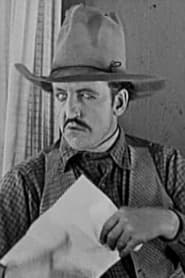
Lew Meehan
Actor
Born: June 5, 1888 in Chicago, Illinois, USA Died: August 10, 1954 Active: 1923-1928 Birth Name: Lewis Edward Meehan
Films
3 films
About Lew Meehan
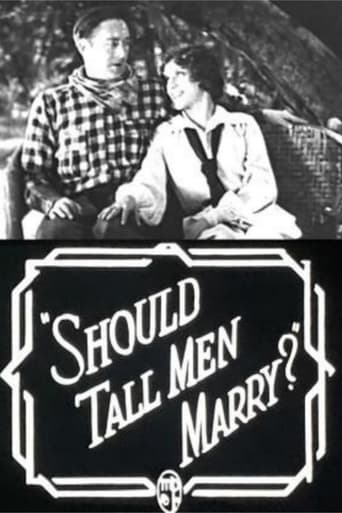
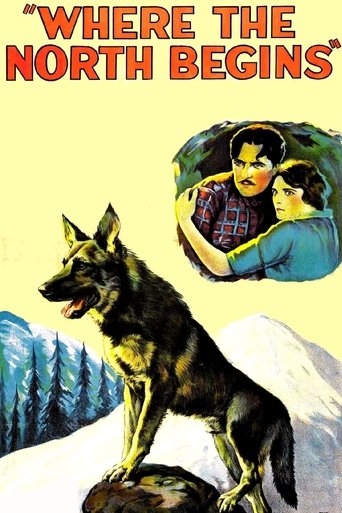
Prolific character actor during the silent film era, specializing in supporting roles that often capitalized on his distinctive appearance and demeanor. Born in the late 19th century, he entered the film industry during the early 1920s, a period of rapid expansion in Hollywood. Meehan found steady work primarily in Western films and comedy shorts, appearing alongside major stars of the era including Rin Tin Tin in 'Where the North Begins.' His acting career, though relatively brief, spanned the crucial transition years from pure silent cinema to the advent of sound. Meehan demonstrated versatility by appearing in various genres, from dramatic Westerns to light comedies like 'Should Tall Men Marry?' While never achieving leading man status, he became a recognizable face to audiences of the period, embodying the working-class character types that populated many silent films. His film career appears to have concluded around 1928, coinciding with the industry-wide transition to sound pictures that ended many silent-era actors' careers.
The Craft
On Screen
Meehan was known for his naturalistic approach to character acting, often portraying working-class figures, villains, or comic relief characters. His style was typical of silent era character actors who relied heavily on physical expression and exaggerated gestures to convey emotion and intent. He had a distinctive screen presence that made him memorable even in smaller roles.
Milestones
- Debut in 'Where the North Begins' (1923) starring Rin Tin Tin
- Regular appearances in Western films throughout the 1920s
- Transition from dramatic roles to comedy in late 1920s
- Worked during the peak of the silent era
- Appeared in over 20 films during his brief career
Best Known For
Iconic Roles
Must-See Films
Working Relationships
Worked Often With
Studios
Why They Matter
Impact on Culture
Lew Meehan represents the typical working character actor who formed the backbone of silent era cinema. While never achieving star status, actors like Meehan were essential to the film industry, providing the supporting framework that allowed leading actors to shine. His career trajectory also illustrates the challenging transition many silent era actors faced with the advent of sound cinema, as his film career concluded around 1928 when talkies began dominating the industry.
Lasting Legacy
Meehan's legacy lies in his contribution to the silent era cinema, particularly in the Western genre which was enormously popular during the 1920s. His work survives as part of the historical record of American film, representing the thousands of character actors who made Hollywood's golden age possible. While not a household name, his performances in surviving films continue to be studied by film historians and enthusiasts of silent cinema.
Who They Inspired
As a character actor rather than a star, Meehan's influence was primarily through his craft rather than through mentoring or directly influencing other performers. He exemplified the professional approach to character acting that would become increasingly important as cinema evolved into a more sophisticated art form.
Off Screen
Lew Meehan maintained a relatively private personal life away from the Hollywood spotlight. Like many character actors of his era, he focused primarily on his craft rather than cultivating a public persona. His career in films was relatively brief, and after leaving the industry, he appears to have lived a quiet life outside of entertainment.
Education
Limited public information available regarding formal education
Family
- Mae Meehan (1915-1954)
Did You Know?
- Appeared in films with canine superstar Rin Tin Tin
- His active years covered only 5 years but included over 20 film appearances
- Often typecast as a villain or heavy in Western productions
- Worked during the transitional period between pure silent films and early talkies
- Like many character actors of his era, often went without on-screen billing in smaller roles
- His real name was Lewis Edward Meehan
- Born in Chicago, a common origin point for many early Hollywood actors
- His film career ended as the sound era began, a common pattern for silent era specialists
In Their Own Words
No documented famous quotes from Lew Meehan in available records
Frequently Asked Questions
Who was Lew Meehan?
American character with credits in this catalog. Though never a leading man, he was a prolific performer who appeared in over 20 films between 1923 and 1928.
What films is Lew Meehan best known for?
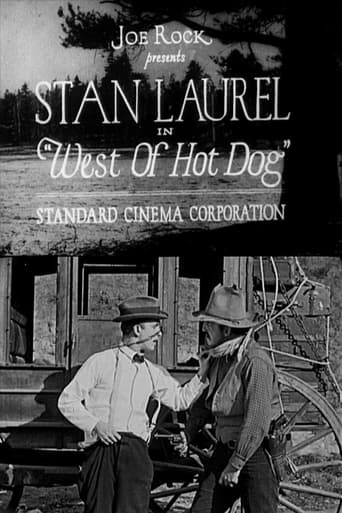
Titles linked here include Where the North Begins (1923), West of Hot Dog (1924).
When was Lew Meehan born and when did he die?
Born June 5, 1888; died August 10, 1954.
What awards did Lew Meehan win?
There are no documented awards or nominations for Lew Meehan in available records. Like many character actors of his era, his contributions were recognized through steady employment rather than formal accolades.
What was Lew Meehan's acting style?
Meehan's acting style was typical of silent era character actors, relying on physical expression, exaggerated gestures, and distinctive screen presence. He specialized in playing working-class characters, villains, and comic relief roles that required strong visual characterization.
Why did Lew Meehan's career end in 1928?
Meehan's film career concluded around 1928, coinciding with the industry-wide transition from silent films to talkies. Many silent era actors, especially character actors with distinctive speaking styles or voices, found their careers ending during this transitional period.