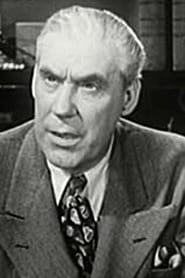
Eddie Dunn
Actor
Born: December 31, 1896 in Denver, Colorado, USA Died: May 5, 1951 Active: 1917-1935 Birth Name: Edward Dunn
Films
7 films
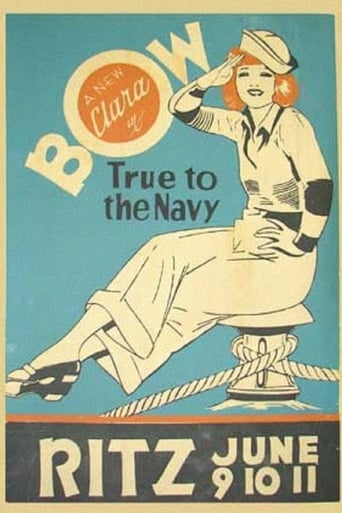
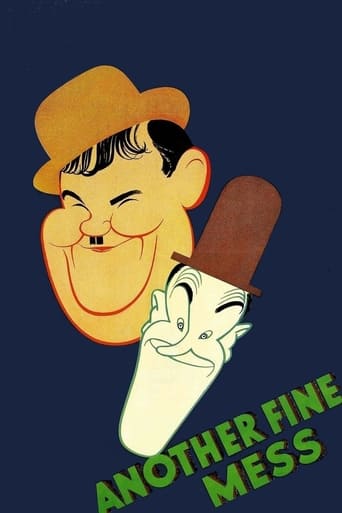
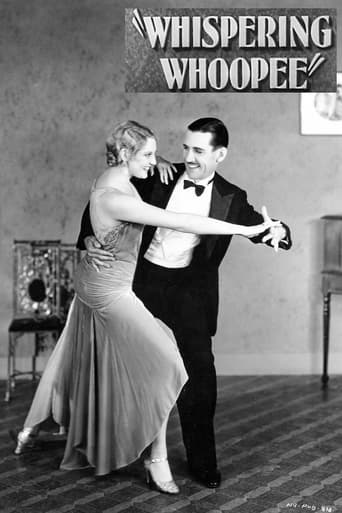
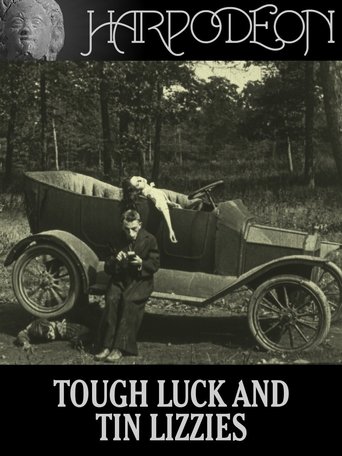
About Eddie Dunn
Prolific American character actor who graced the silver screen during the transformative period from silent films to early talkies. Beginning his career in 1917, Dunn quickly established himself as a reliable supporting player, appearing in numerous comedy shorts and feature films throughout the 1920s. His the crucial transition period when Hollywood was adapting to sound technology, and he successfully made the leap to talkies. Dunn worked with various studios and appeared alongside many of the era's notable stars, though often in uncredited or minor roles that nonetheless contributed to the films' overall success. His filmography includes over 100 appearances, demonstrating his versatility and work ethic during Hollywood's formative years. By the late 1920s, he had become a familiar face to movie audiences, particularly in comedy and drama productions. His career continued into the early 1930s before gradually fading as Hollywood's star system evolved and newer actors emerged.
The Craft
On Screen
Dunn was known for his naturalistic acting style that adapted well to both silent and sound films. He had a versatile range, capable of playing both comedic and dramatic supporting roles. His performances were characterized by their authenticity and relatability, making him an effective character actor who could enhance any scene he appeared in. Dunn possessed the ability to convey emotion effectively even in silent films through subtle facial expressions and body language.
Milestones
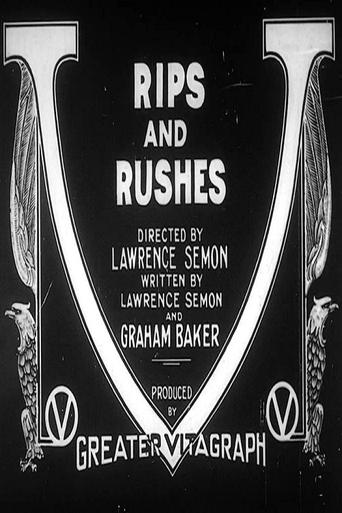
- Film debut in 'Rips and Rushes' (1917)
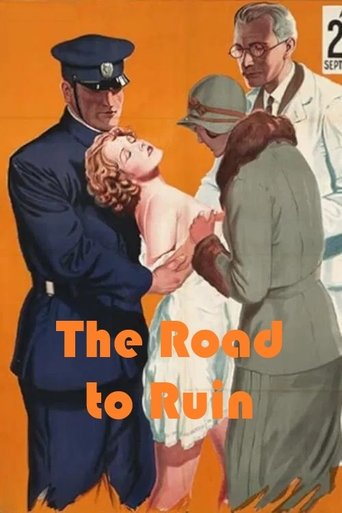
- Appeared in the controversial 'The Road to Ruin' (1928)
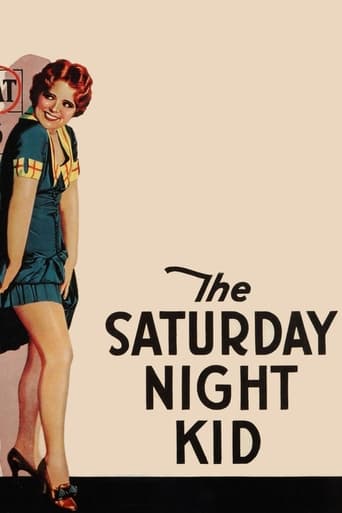
- Featured in Clara Bow's 'The Saturday Night Kid' (1929)
- Successful transition from silent films to talkies
- Appeared in over 100 films during his career
Best Known For
Iconic Roles
Must-See Films
Working Relationships
Worked Often With
Studios
Why They Matter
Impact on Culture
Eddie Dunn represents the quintessential working actor of early Hollywood, contributing to the fabric of American cinema during its most formative years. While never achieving star status, his numerous appearances across hundreds of films helped establish the foundation of character acting that would become crucial to Hollywood's success. His ability to transition from silent films to talkies demonstrated the adaptability required of actors during this technological revolution in cinema. Dunn's work in comedies, particularly with Hal Roach Studios, contributed to the development of American film comedy during the 1920s.
Lasting Legacy
Though largely forgotten by mainstream audiences today, Eddie Dunn's legacy lives on through the preservation of early films in which he appeared. He represents the thousands of dedicated character actors who were essential to Hollywood's golden age, providing the supporting framework that allowed stars to shine. His career shows the perseverance and adaptability required of actors during the dramatic changes in filmmaking technology and style during the 1920s and 1930s.
Who They Inspired
As a supporting actor, Dunn's influence was primarily through his consistent professional example rather than through mentoring or direct influence on other performers. His successful transition from silent to sound films demonstrated the possibilities available to character actors who were willing to adapt to new technologies and techniques.
Off Screen
Eddie Dunn was married to actress and fellow silent film performer Vivian Oakland. The couple worked together in several films and remained married throughout Dunn's career. Little is publicly documented about his family life beyond his marriage, as was common for character actors of his era who maintained relatively private personal lives despite their public careers.
Family
- Vivian Oakland (1925-1951)
Did You Know?
- Appeared in over 100 films during his 18-year career
- Successfully made the transition from silent films to talkies
- Often worked without on-screen billing in many of his later film appearances
- Was married to fellow actress Vivian Oakland
- Worked frequently with comedy teams of the era
- Appeared in several controversial 'exploitation' films of the late 1920s
- His career declined as the studio system became more rigid in the 1930s
- Many of his silent films are now considered lost
- Worked with both major stars and character actors throughout his career
- Was part of Hollywood's transition from independent production to the studio system
Frequently Asked Questions
Who was Eddie Dunn?
American character with credits in this catalog. He was known for his versatility in supporting roles and his successful transition from silent to sound films.
What films is Eddie Dunn best known for?
Titles linked here include The Road to Ruin (1928), The Saturday Night Kid (1929).
When was Eddie Dunn born and when did he die?
Born December 31, 1896; died May 5, 1951.
What awards did Eddie Dunn win?
Eddie Dunn did not receive any major awards or nominations during his career, which was common for character actors of his era who worked primarily in supporting roles.
What was Eddie Dunn's acting style?
Dunn was known for his naturalistic and versatile acting style, capable of handling both comedic and dramatic roles. He adapted well to the transition from silent films to talkies, using subtle expressions in silent films and delivering dialogue naturally in sound pictures.