Films
4 films
About Earl Montgomery
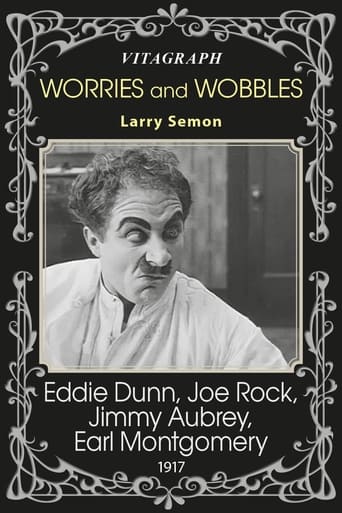
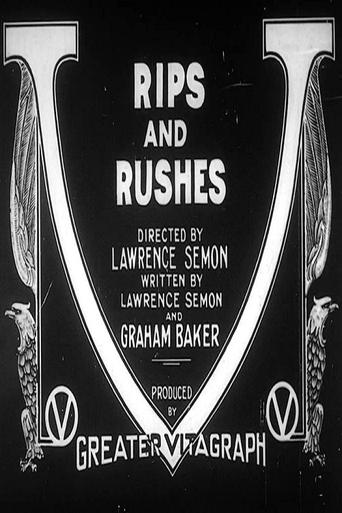
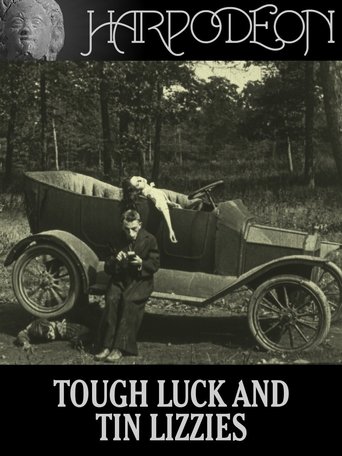
Multifaceted talent in the silent film era, working as both an actor and director during the transitional period of American cinema. His screen career ran from 1917 to 1928, beginning with acting roles in comedy shorts like 'Worries and Wobbles' and 'Rips and Rushes' in 1917, which were typical of the slapstick comedies popular during that time. Montgomery gradually transitioned behind the camera, demonstrating his versatility in the film industry by eventually taking on directing responsibilities. His directorial work culminated in 'Standing Pat' in 1928, which came at the end of the silent era and the beginning of the transition to sound films. Like many silent era performers and filmmakers, Montgomery's career appears to have been significantly impacted by the advent of talkies, as his filmography ends around this crucial transition period in Hollywood history. His body of work, though limited in surviving documentation, represents the typical journey of many talented individuals who contributed to the golden age of silent cinema but whose names have faded from mainstream recognition over time.
The Craft
On Screen
Based on the titles of his early films, Montgomery likely performed in the broad, physical comedy style typical of silent era shorts, emphasizing slapstick humor and exaggerated expressions that were essential for non-verbal storytelling in silent cinema.
Behind the Camera
While specific details about his directing style are scarce, his work on 'Standing Pat' in 1928 suggests he was familiar with the techniques of late silent era filmmaking, likely incorporating the visual storytelling methods that were perfected during this period.
Milestones
- Acting debut in 'Worries and Wobbles' (1917)
- Performance in 'Rips and Rushes' (1917)
- Directorial debut and final known work with 'Standing Pat' (1928)
- Transition from acting to directing during silent era
- Work during the peak years of silent comedy shorts
Best Known For
Iconic Roles
Must-See Films
Why They Matter
Impact on Culture
Earl Montgomery represents the thousands of talented individuals who formed the backbone of the silent film industry but whose contributions have been largely forgotten by time. His work as both an actor and director during the transitional years of American cinema illustrates the versatility required of film professionals during this era. His career trajectory from acting to directing mirrors the path many silent era performers took as they sought to extend their careers and creative control in the rapidly evolving film industry. The fact that his career ended around 1928 suggests he may have been among the many silent era professionals who struggled to adapt to the coming of sound, making his story representative of a significant cultural and technological shift in entertainment history.
Lasting Legacy
While Earl Montgomery's name may not be widely recognized today, his work contributes to our understanding of the rich ecosystem of talent that existed during the silent era. His films, though likely lost like the majority of silent productions, are part of the historical record of American cinema's formative years. His career serves as a reminder of the countless actors, directors, and technicians who helped build the foundation of modern cinema but whose names have faded from popular memory. The documentation of his work in film archives and databases helps preserve the memory of these forgotten contributors to film history.
Who They Inspired
As a relatively minor figure in silent cinema, specific documentation of Montgomery's influence on other filmmakers or actors is difficult to trace. However, like all working professionals during the silent era, he would have contributed to the development of cinematic language and techniques that would influence future generations of filmmakers, even if his individual contributions cannot be specifically identified.
Off Screen
Very little documented information exists about Earl Montgomery's personal life, which is common for many supporting players and character actors from the silent era who were not major stars. Like many film industry professionals of his time, his life story remains largely undocumented in mainstream film history sources.
Did You Know?
- His active years covered exactly the period when silent cinema was reaching its artistic peak before being replaced by sound films
- The titles of his early films ('Worries and Wobbles', 'Rips and Rushes') suggest he specialized in comedy shorts
- His only known directorial work came in 1928, the final year of widespread silent film production
- Like many silent era professionals, his career appears to have ended with the transition to sound
- His filmography represents the typical output pattern of many supporting players in silent comedy shorts
Frequently Asked Questions
Who was Earl Montgomery?
American actor and on YTB.my.
What films is Earl Montgomery best known for?
Titles linked here include Standing Pat (1928), Worries and Wobbles (1917).
When was Earl Montgomery born and when did he die?
Specific birth and death dates for Earl Montgomery are not documented in available historical records, which is common for many supporting players from the silent era.
What awards did Earl Montgomery win?
There are no documented awards or nominations for Earl Montgomery, which was typical for many working actors and directors in the silent era who were not major stars.
What was Earl Montgomery's acting and directing style?
Based on his filmography, he likely worked in the broad, physical comedy style popular in silent shorts, and his directing would have employed the visual storytelling techniques standard in late silent cinema.
Why did Earl Montgomery's career end in 1928?
His career ended around 1928, which coincides with the transition from silent films to talkies, suggesting he may have been among many silent era professionals who couldn't adapt to the new sound technology.
Are Earl Montgomery's films still available to watch?
Like the vast majority of silent films (estimated 75-90% lost), Montgomery's films are likely lost or extremely rare, which contributes to the limited information available about his career.