
Standing Pat
"Larry Darmour's Ton O' Fun mischief"
Keys: Space play/pause · ←/→ 10s · F fullscreen · M mute · </> speed
About this film
Ton O' Fun comedy produced by Larry Darmour.
Cast & crew
More films like this
More from Earl Montgomery
View all →
More about this film
About the production
Release dateFebruary 1928
ProductionLarry Darmour Productions
Filmed inLos Angeles, California
Standing Pat was part of the Ton O' Fun comedy series, which were typically two-reel shorts produced quickly and efficiently for the busy exhibition market of the late 1920s. These films were shot on modest budgets with tight production schedules, often completing filming in just a few days. The series was known for its reliable formula of physical comedy and situational humor that appealed to audiences of the era.
Themes
Themes & topics
Historical background
Made during the silent-to-sound transition near 1928, Standing Pat reached audiences through theatrical programs, fairground booths, or specialized distribution channels typical of its generation. Ton O' Fun comedy produced by Larry. Historians now read such works for what they reveal about production methods, national taste, and the expanding vocabulary of screen narrative.
Why this film matters
Archivists and programmers still screen Standing Pat when tracing how popular entertainment evolved. Its subject—ton o' fun comedy produced by larry—gives later viewers tangible evidence of what drew crowds in the silent period. Home video, restorations, and festival sidebars keep the title circulating among students of film history.
Making of
Standing Pat was created during the height of the silent comedy short film era, when theaters needed a steady supply of new content to accompany feature presentations. Larry Darmour Productions operated on an assembly-line approach, churning out numerous two-reel comedies each year. Director Earl Montgomery, having worked extensively with comedy pioneers, brought his expertise in timing and physical gags to these productions. The cast, particularly Hilliard Karr and 'Kewpie' Ross, developed their comedic chemistry through repeated collaborations in the series. These films were typically shot in just 2-3 days with minimal rehearsal, relying on the actors' experience and improvisational skills. The production team would often reuse props, sets, and even gag sequences across different films to maintain cost efficiency while still delivering fresh entertainment to audiences.
What critics said
Original trade coverage treated Standing Pat as routine program filler rather than a landmark production—typical of steady studio output. Later criticism emphasizes preservation, stylistic comparison with contemporaries, and whatever cast or crew names later gained prominence. Contemporary writing is mostly historical: assessing completeness, influence, and place in a director's or studio's catalog.
Did you know?
- Standing Pat was one of many Ton O' Fun comedies produced by Larry Darmour, who was known as especially prolific independent producers of short comedies in the 1920s
- The film was released during the transition period from silent to sound films, making it part of the last wave of purely silent comedy shorts
- Hilliard Karr and 'Kewpie' Ross were a recurring comedy duo in the Ton O' Fun series, appearing together in multiple shorts
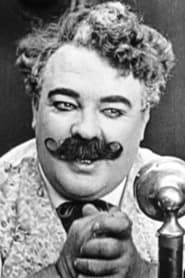
- Frank Alexander, who appears in this film, was a large character actor often typecast as a heavy or antagonist in comedy shorts of the era
- Director Earl Montgomery was primarily known for his work in short comedies, directing numerous films for various producers including Mack Sennett and Larry Darmour
- The Ton O' Fun series was distributed by Pathé Exchange, one of the major distributors of short subjects during the silent era
- Like many short comedies of the period, Standing Pat was likely filmed on the same sets and backlots used for other productions to maximize efficiency
- The title 'Standing Pat' was a common slang phrase of the era meaning to remain firm or stubborn in one's position
Visual style
The cinematography in Standing Pat would have been typical of late silent era comedy shorts, emphasizing clarity and visibility to ensure that physical gags and facial expressions were easily readable to the audience. The camera work was likely functional rather than artistic, focusing on capturing the action in medium shots that allowed full visibility of the performers' movements and interactions. Static camera positions were common, with the camera remaining relatively still during comedy sequences to let the performers' physical comedy take center stage. The lighting would have been bright and even, eliminating shadows that might obscure the visual humor. Any special effects would have been achieved through in-camera techniques or simple practical effects rather than sophisticated optical work.
Innovations
Standing Pat does not appear to feature any significant technical achievements or innovations, as was typical for low-budget comedy shorts of its era. The film utilized standard camera equipment and techniques common in 1928. The production would have employed standard 35mm film stock and typical editing practices of the period, with straightforward cuts between shots to advance the narrative and showcase comedy sequences. Any special effects would have been achieved through practical means rather than technical innovation. The film's technical aspects were functional and efficient, designed to deliver the comedy content without drawing attention to the filmmaking process itself.
Music
As a silent film, Standing Pat would not have had an original synchronized soundtrack. During theatrical exhibition, it would have been accompanied by live music provided by the theater's organist or pianist. The accompaniment would have consisted of popular songs of the era, classical pieces, and stock musical cues appropriate to the on-screen action. For comedic moments, musicians would typically select lively, upbeat pieces that enhanced the humor. During more dramatic or romantic moments, the music would shift accordingly. Large urban theaters might have had small orchestras, while smaller venues relied on solo keyboardists. The musical accompaniment was improvised based on cue sheets provided by the distributor or the musician's own judgment of the film's emotional content.
Memorable scenes
- The climactic confrontation scene where all characters' stubbornness leads to a chaotic physical comedy sequence typical of late silent era shorts
What audiences thought
Audience reception for Ton O' Fun comedies like Standing Pat was generally positive among the target demographic of moviegoers seeking light entertainment. These shorts were designed to provide quick laughs and spectacle, and they succeeded by delivering familiar comedic situations and physical gags that audiences of the era enjoyed. The recurring presence of comedy teams like Hilliard Karr and 'Kewpie' Ross helped build audience familiarity and loyalty to the series. Theater exhibitors valued these films because they were reliable crowd-pleasers that helped round out their programs. The straightforward, visual nature of the humor made these shorts accessible to diverse audiences, including recent immigrants who might struggle with language-based comedy.
Film connections
Influenced by
- Mack Sennett comedies
- Hal Roach shorts
- Charlie Chaplin films
- Buster Keaton shorts
Film restoration
The preservation status of Standing Pat is uncertain, and the film may be lost. Many silent comedy shorts from this period, particularly those from independent producers like Larry Darmour, have not survived due to the nitrate film decomposition and the lack of systematic preservation efforts in the early sound era. The film does not appear in major film archives' catalogues, suggesting it may be among the many silent shorts that are considered lost. However, given the number of films from this era that have been rediscovered in private collections or foreign archives, there remains a possibility that copies may exist in unexpected locations.
Where to watch
- Internet Archive: https://archive.org/details/STANDINGPAT1928ATonOfFunFBOLarryDarmourComedy