The Sawmill
"Sawdust, rivalry, and love at the mill"
Keys: Space play/pause · ←/→ 10s · F fullscreen · M mute · </> speed
About this film
A bumbling sawmill employee tries to win the hand of the owner's daughter while staying out of the clutches of the mill's bullying foreman.
Cast & crew
More films like this
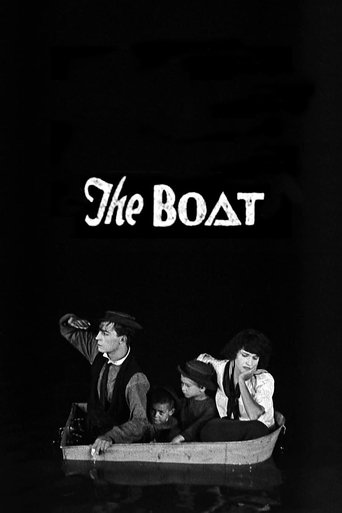
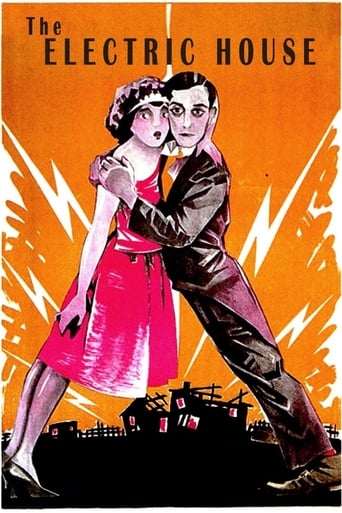
More Comedy films
View all →







More from Larry Semon
View all →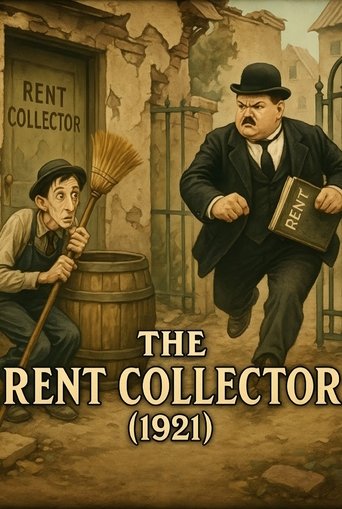
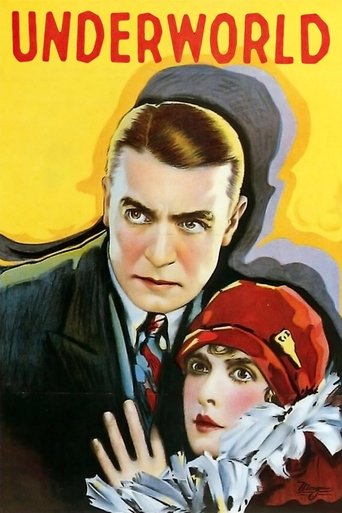

More about this film
About the production
Release dateOctober 15, 1922
Box officeBox office figures not reliably recorded for silent shorts of this period, but Semon was a popular draw during his peak years
ProductionLarry Semon Comedies, Vitagraph Studios
Filmed inLos Angeles, California, Vitagraph Studios
The film featured elaborate and dangerous stunt work with real sawmill equipment, requiring careful coordination to ensure actor safety. Semon was known for performing his own stunts, often at great personal risk. The production utilized actual working sawmill machinery, adding authenticity but also increasing the danger factor during filming.
Themes
Workplace hierarchy and conflictRomantic pursuit and competitionUnderdog triumphing over adversityIndustrialization and technologyPhysical comedy as social commentary
Themes & topics
sawmillslapstick comedyworkplace romancephysical comedybullyforemanchaosdestructionchase sequenceindustrial settingsilent filmcomedy short
Historical background
The Sawmill appeared in 1922, when the late silent period and the transition to sound shaped how movies were financed, distributed, and discussed. Audiences of the day encountered the work amid shifting tastes in acting, pacing, and spectacle. Its focus on a bumbling sawmill employee tries to win the hand of the owner's daughter while staying out of the clutches of the mill's bullying foreman mirrors themes circulating in popular culture of that moment.
Why this film matters
The Sawmill (1922) belongs to the wider archive of world cinema, documenting a bumbling sawmill employee tries to win the. Archivists and historians value such titles for what they reveal about craft, genre, and audience expectations. Restorations and festival screenings keep the work visible to viewers far beyond its first run.
Making of
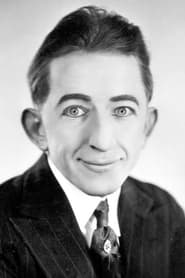
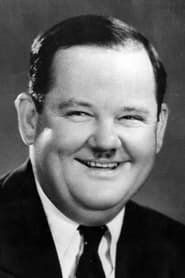
The production of 'The Sawmill' exemplified Larry Semon's approach to comedy filmmaking, which emphasized elaborate physical gags and dangerous stunt work over subtle characterization. Semon, who both directed and starred in the film, was known for his hands-on approach to filmmaking, often designing his own stunts and gags. The sawmill setting provided ample opportunities for comedic peril, with real circular saws, conveyor belts, and logging equipment incorporated into the action sequences. Oliver Hardy, who would later find international fame as half of Laurel and Hardy, plays the villainous foreman with his already-developed screen presence and physical comedy skills. The film was shot quickly, as was typical for comedy shorts of the era, with minimal rehearsal and emphasis on spontaneous comedic moments. The chemistry between Semon and Hardy was evident, though their dynamic here was as adversaries rather than the friendly partners Hardy would later become known for.
What critics said
Press coverage from 1922 is fragmentary for many titles of this vintage; surviving notices for The Sawmill tend to stress novelty, star power, or topical appeal. Later writing places the picture within its national and generic context, weighing both period conventions and moments that still land for modern viewers. Streaming and disc releases have revived discussion among classic-film audiences.
Did you know?
- This film was released during the peak of Larry Semon's popularity in the early 1920s, before his career decline later in the decade
- Oliver Hardy appears in this film before his partnership with Stan Laurel began in 1927
- The sawmill set was so elaborate and dangerous that it reportedly caused several injuries to stunt performers during production
- Larry Semon was known for his whiteface makeup and wild, frantic comedy style that contrasted with the more subtle approaches of Chaplin or Keaton
- The film was part of a series of workplace comedies Semon produced, each featuring him in different industrial settings
- Semon's character's signature costume included a comically oversized hat and baggy clothes that enhanced his physical comedy
- The film's destruction sequence at the climax was considered particularly spectacular for its time, utilizing practical effects and real machinery
- This was one of several collaborations between Semon and Hardy, who appeared together in numerous comedies during this period
- The romantic subplot was typical of Semon's films, often serving as the motivation for the chaotic physical comedy sequences
- The film's title cards were written by Semon himself, who often contributed to the screenplays of his comedies
Visual style
The cinematography, typical of early 1920s comedies, was functional rather than artistic, focusing primarily on capturing the physical comedy and ensuring all gags were clearly visible to the audience. The camera work was relatively static compared to later films, with medium shots used to frame the physical action effectively. The industrial setting provided opportunities for interesting visual compositions, with the large machinery and moving parts creating dynamic backgrounds for the comedy. The film likely used multiple cameras for some of the more dangerous sequences to ensure adequate coverage of the stunts. The black and white photography emphasized the contrast between the characters and their industrial environment, while the lighting was designed to highlight the action rather than create mood or atmosphere.
Innovations
While not groundbreaking in technical terms, 'The Sawmill' demonstrated considerable skill in coordinating complex physical comedy sequences with potentially dangerous equipment. The film's use of real sawmill machinery for comedic effect required careful planning and execution to ensure safety while maintaining the appearance of chaos and danger. The destruction sequence at the film's climax was technically ambitious for its time, involving multiple gags and effects happening simultaneously. The film also showcased effective use of editing to enhance comedic timing, with cuts timed to punctuate physical gags and maintain the rapid pace of the action. The coordination between Semon's performance direction and the technical execution of the stunts represented a significant achievement in early comedy filmmaking.
Music
As a silent film, 'The Sawmill' would have been accompanied by live musical performance in theaters. The typical accompaniment would have been a piano or small orchestra, with music selected to enhance the on-screen action. Comedic sequences would have been scored with lively, upbeat music, while romantic moments would have featured more melodic, tender themes. The sawmill setting might have inspired the use of mechanical or rhythmic musical motifs during the industrial sequences. Some larger theaters might have used compiled cue sheets or original compositions specifically tailored to the film. The music would have played a crucial role in establishing the film's tone and enhancing the comedic timing of the physical gags.
Famous quotes
As a silent film, dialogue was limited to intertitles. Memorable title cards included: 'When love strikes, even a sawmill can't stop it!' and 'He may be clumsy, but his heart is in the right place!'
Memorable scenes
- The opening sequence where Semon's character struggles with basic sawmill equipment, setting up his incompetence for comedic effect
- The elaborate chase scene through the working sawmill with characters dodging circular saws and conveyor belts
- The climactic destruction sequence where the entire sawmill collapses in a spectacular display of physical comedy and special effects
- The romantic interlude between Semon and the mill owner's daughter, providing brief respite from the chaotic action
- The confrontation scenes between Semon and Hardy's character, showcasing their contrasting physical comedy styles
What audiences thought
The film was well-received by contemporary audiences, particularly fans of Larry Semon's wild comedy style. Moviegoers of the 1920s appreciated the film's fast-paced action, spectacular stunts, and straightforward romantic plotline. The workplace setting resonated with many viewers who could relate to the industrial environment, even if exaggerated for comedic effect. The film's success contributed to Semon's status as one of the more popular comedy stars of the early 1920s, though his popularity would wane later in the decade. The combination of physical comedy, romantic elements, and the familiar dynamic of the underdog triumphing over the bully proved to be a winning formula with audiences of the time.
Film connections
Influenced by
- Charlie Chaplin's early comedies
- Buster Keaton's physical comedy style
- Harold Lloyd's everyman character
- Mack Sennett's Keystone comedy approach
- Fatty Arbuckle's comedy shorts
This film influenced
- Later workplace comedies
- Physical comedy sequences in sound films
- Industrial setting comedies
- Three Stooges shorts
- Abbott and Costello routines
Film restoration
The preservation status of 'The Sawmill' is uncertain, as many silent films from this period have been lost. Some sources suggest that copies may exist in film archives or private collections, but a fully restored version is not widely available. The film, like many of Semon's works, has not received the preservation attention given to more famous silent comedies by Chaplin, Keaton, or Lloyd. Efforts by organizations like the Library of Congress and film preservation societies may have saved some copies, but access remains limited for researchers and the general public.
Where to watch
- The film may be available through specialized silent film archives
- Some film societies and museums occasionally screen Semon's comedies
- Potential availability on rare DVD compilations of silent comedies
- Possible access through academic film libraries
- Limited availability on public domain streaming sites specializing in classic films