Films
2 films
About Frédéric Mariotti
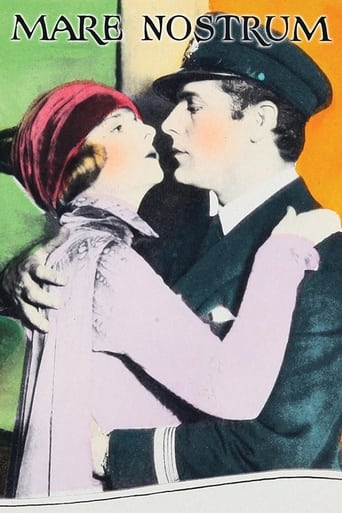
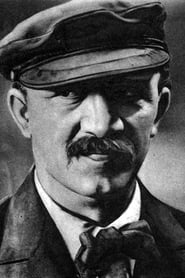
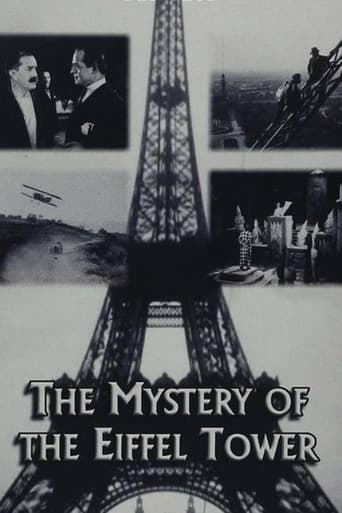
French actor who worked briefly during the silent film era of the 1920s. His career, though short, spanned two notable productions in 1926 and 1927, placing him squarely in the transitional period between silent cinema and the emergence of sound films. Mariotti appeared in 'Mare Nostrum' (1926), a French silent drama directed by Rex Ingram, which was an ambitious international production filmed on location in Spain and France. The following year, he was cast in 'The Mystery of the Eiffel Tower' (1927), a French silent mystery thriller that showcased the Paris landmark as a central element of its narrative. Despite his limited filmography, Mariotti's participation in these productions suggests he was part of the European film industry during its golden silent era. His career appears to have been confined to this brief two-year period, after which he seemingly vanished from the cinematic landscape, as was common for many supporting actors of the era who did not successfully transition to sound films.
The Craft
Milestones
- Appeared in 'Mare Nostrum' (1926)
- Starred in 'The Mystery of the Eiffel Tower' (1927)
Best Known For
Must-See Films
Working Relationships
Worked Often With
Why They Matter
Impact on Culture
Frédéric Mariotti's cultural impact is minimal due to his extremely brief career in the film industry. However, his participation in 'Mare Nostrum' places him within the context of ambitious international film productions of the 1920s, a period when European cinema was experimenting with epic scale and location shooting. His work in 'The Mystery of the Eiffel Tower' connects him to the early tradition of French mystery films that utilized iconic Parisian landmarks as dramatic backdrops. While he did not achieve individual recognition, his contributions were part of the broader tapestry of European silent cinema that laid foundations for later film developments.
Lasting Legacy
Frédéric Mariotti's legacy is primarily that of a representative example of the countless supporting actors who populated silent films but did not achieve lasting fame. His brief career serves as a reminder of the vast number of performers who contributed to early cinema's development but were largely forgotten by history. His two known films, particularly 'Mare Nostrum,' have been studied by film historians as examples of international co-productions during the silent era, ensuring that his name, if not his performances, remains part of cinema's historical record.
Who They Inspired
Given his limited career and supporting roles, Frédéric Mariotti did not have a significant influence on other actors or directors. His work represents the typical journey of many character actors during the silent era who contributed to films but did not achieve the level of recognition that would allow them to influence subsequent generations of performers.
Off Screen
Very little is known about Frédéric Mariotti's personal life, which is not uncommon for supporting actors from the silent era who did not achieve lasting fame. His brief film career and the passage of time have left few records of his life outside of his two known film appearances.
Did You Know?
- Frédéric Mariotti's entire known filmography consists of only two films made in consecutive years
- Both of his known films were French productions during the silent era
- His film 'Mare Nostrum' was directed by the renowned American director Rex Ingram, who worked extensively in Europe
- The Mystery of the Eiffel Tower' was one of the early films to use the Eiffel Tower as a central element in its mystery plot
- Like many silent era actors, Mariotti did not successfully transition to sound films, which may explain his brief career
- His active years covered the final years of the silent era, just before the transition to sound cinema in Europe
Frequently Asked Questions
Who was Frédéric Mariotti?
French with credits in this catalog.
What films is Frédéric Mariotti best known for?
Titles linked here include Mare Nostrum (1926), The Mystery of the Eiffel Tower (1927).
When was Frédéric Mariotti born and when did he die?
Specific birth and death dates for Frédéric Mariotti are not available in historical records, which is common for supporting actors from the silent era who did not achieve lasting fame.
What awards did Frédéric Mariotti win?
There are no records of Frédéric Mariotti receiving any major film awards or nominations during his brief career in the 1920s.
What was Frédéric Mariotti's acting style?
Specific details about Mariotti's acting style are not documented, which is typical for supporting actors from the silent era whose performances were not extensively analyzed or preserved in critical literature.
Why was Frédéric Mariotti's career so short?
Mariotti's career was confined to 1926-1927, likely because like many silent era actors, he did not successfully transition to sound films when the industry changed in the late 1920s and early 1930s.