Films
1 film
About Álex Nova
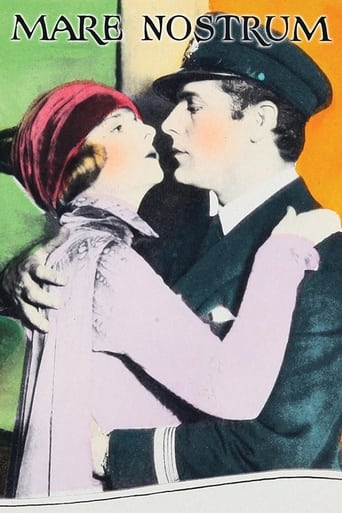
Álex Nova appears once in this catalog: Mare Nostrum (1926). Known primarily for his role in the 1926 epic drama Mare Nostrum. His career appears to have been extremely brief, with only this single documented film credit to his name. Mare Nostrum was an ambitious international production directed by Rex Ingram, based on the popular novel by Vicente Blasco Ibáñez, and featured a cast drawn from various European countries. Nova was cast as a supporting character in this maritime wartime drama that told the story of a Spanish merchant captain caught up in World War I. Like many actors of the silent era who appeared in only one or two films, particularly in supporting roles, detailed biographical information about Nova has been largely lost to time. His participation in this notable production represents his entire known film legacy, making him a fascinating example of the countless actors who contributed to early cinema but remain largely anonymous to modern audiences.
The Craft
On Screen
As a silent era actor in a supporting role, Nova likely employed the exaggerated physical expressions and gestures typical of the period, though specific details about his performance style are not documented in surviving records.
Milestones
- Appeared in Rex Ingram's Mare Nostrum (1926)
- Participated in an international silent film production
Best Known For
Iconic Roles
Must-See Films
Working Relationships
Worked Often With
Studios
Why They Matter
Impact on Culture
Álex Nova represents the countless anonymous actors who contributed to the golden age of silent cinema but whose individual stories have been largely lost to history. His participation in Mare Nostrum, a significant international production of its time, places him within the context of early cinema's global reach and the practice of casting actors from various nationalities to lend authenticity to international stories. While his personal impact may have been minimal, he was part of a film that showcased the artistic ambitions of late silent cinema, with its lavish production values and attempt to bring European literary works to American audiences.
Lasting Legacy
Álex Nova's legacy is primarily that of a representative figure from the vast population of silent era actors whose careers were brief but who contributed to the early cinema. His single known film credit in Mare Nostrum serves as a reminder of how many talented individuals participated in classic films only to disappear from historical record. The preservation of his name in the film's credits ensures that at least some acknowledgment of his contribution to cinema history remains, however fragmentary.
Who They Inspired
Due to the extremely limited documentation of his career and life, there is no available information about any direct influence Álex Nova may have had on other actors or filmmakers. His influence exists only insofar as he was part of the collective body of work that defined silent era cinema and contributed to the artistic development of the medium.
Off Screen
Very little is known about Álex Nova's personal life, as is common for many supporting actors from the silent era who appeared in only one or two films. His brief film career suggests he may have been a stage actor who made a single foray into cinema or someone who pursued acting only briefly before moving to other professions.
Did You Know?
- Mare Nostrum was Nova's only known film appearance
- The film was based on a novel by Spanish author Vicente Blasco Ibáñez
- Mare Nostrum was an expensive production for its time, costing over $1 million
- The film was partially shot on location in Mediterranean locations to add authenticity
- Director Rex Ingram was known for his meticulous attention to visual detail
- Mare Nostrum was one of the last great silent epics before the transition to sound
- The film's title translates to 'Our Sea' in Latin, referring to the Mediterranean
- Nova was likely cast to add Spanish authenticity to the international production
Frequently Asked Questions
Who was Álex Nova?
Spanish with credits in this catalog. His career appears to have been limited to this single film role, making him one of the many obscure actors from early cinema whose contributions have been largely lost to history.
What films is Álex Nova best known for?
Titles linked here include Mare Nostrum (1926).
When was Álex Nova born and when did he die?
Specific birth and death dates for Álex Nova are not documented in available historical records, which is common for many supporting actors from the silent era who appeared in only one or two films. He was known to be Spanish and active in 1926.
What awards did Álex Nova win?
There are no documented awards or nominations for Álex Nova, which is not surprising given his brief film career limited to a single supporting role in 1926. Many actors from the silent era, particularly those in minor roles, received no formal recognition during their lifetime.
What was Álex Nova's acting style?
While specific details about Nova's acting style are not documented, as a silent era actor he would have employed the physical expression techniques typical of the period. His role in an international production suggests he may have been chosen for his authentic Spanish appearance and demeanor.