Films
2 films
About Mrs. Wong Wing
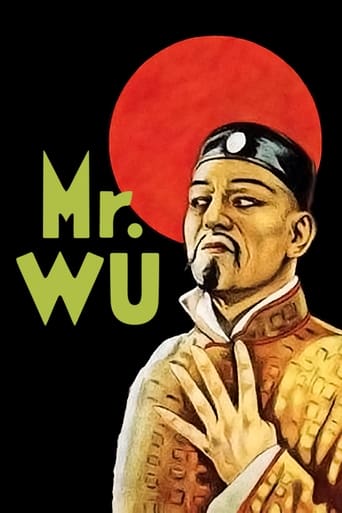
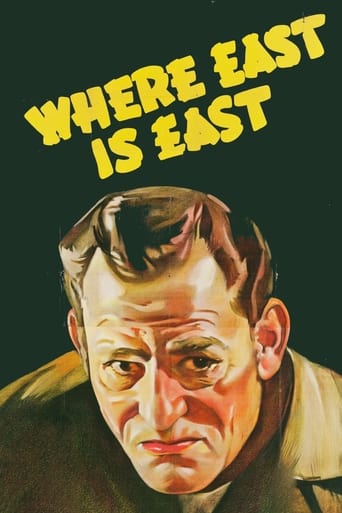
Chinese-American actress who worked during the transition from silent films to early talkies in Hollywood. Her brief but notable film career consisted of two significant productions with actor Lon Chaney, where she portrayed authentic Chinese characters at a time when Hollywood often cast non-Asian actors in Asian roles through yellowface makeup. Her appearance in 'Mr. Wu' (1927) and 'Where East Is East' (1929) placed her among the Asian performers in early Hollywood cinema. Though her career was short-lived, spanning only from 1927 to 1929, her contributions came during a crucial period when Asian representation in American film was virtually nonexistent. Like many Asian actors of her era, she faced significant limitations in the types of roles available, often being cast in stereotypical or supporting positions. Her work with Chaney, who was known for his transformative performances and attention to cultural authenticity in his later films, suggests she was valued for bringing genuine Asian presence to these productions. Unfortunately, like many supporting actors from the silent era, particularly those of Asian descent, detailed records of her life and career remain scarce.
The Craft
On Screen
Based on her casting in Lon Chaney films, Mrs. Wong Wing likely brought authentic Chinese mannerisms and cultural presence to her roles, contrasting with the common practice of yellowface casting. Her performances would have been grounded in genuine cultural understanding rather than caricature, though limited film records make detailed analysis of her technique challenging.
Milestones
- Appeared in 'Mr. Wu' (1927) starring Lon Chaney
- Featured in 'Where East Is East' (1929) with Lon Chaney
- One of the few authentic Chinese actresses working in Hollywood during the silent era
Best Known For
Iconic Roles
Must-See Films
Working Relationships
Worked Often With
Studios
Why They Matter
Impact on Culture
Mrs. Wong Wing's significance lies in her representation as an authentic Chinese actress in Hollywood during an era when Asian characters were typically played by white actors in yellowface. Her presence in major productions like 'Mr. Wu' and 'Where East Is East' represented a small but important step toward genuine Asian representation in American cinema. Though her roles were limited, she contributed to the gradual breaking of barriers that would eventually allow for more authentic Asian casting in Hollywood films.
Lasting Legacy
While Mrs. Wong Wing's filmography was brief, her legacy endures as part of the foundation of Asian-American cinema history. She represents the early generation of Asian performers who worked against tremendous odds to appear in Hollywood productions. Her collaboration with Lon Chaney, an actor known for his dedication to authenticity, suggests she was valued for bringing genuine cultural representation to films that might otherwise have relied entirely on caricature. Her story, though largely undocumented, is part of the broader narrative of Asian-American contributions to early Hollywood.
Who They Inspired
As one of the few Chinese actresses working in Hollywood during the late 1920s, Mrs. Wong Wing helped pave the way for future generations of Asian performers. Her existence demonstrated that Asian actors could find work in American cinema, even if opportunities were severely limited. The fact that she was cast in major productions rather than relegated to obscure films suggests she may have had some influence in challenging the industry's reliance on yellowface casting, however subtly.
Off Screen
Very little is documented about Mrs. Wong Wing's personal life, which was common for supporting actors of Asian descent in early Hollywood. The name 'Mrs. Wong Wing' suggests she may have been married, though details about her family, marital status, or personal relationships remain unknown. Like many Asian performers of her era, she likely faced significant social and professional barriers that limited both her career opportunities and the documentation of her life story.
Did You Know?
- Her name 'Mrs. Wong Wing' suggests she may have been married, though her husband's identity remains unknown
- Both of her known films starred Lon Chaney, indicating she may have been part of his regular troupe of supporting actors
- She worked during the transition period from silent films to talkies, a challenging time for many actors
- Her active years covered only two years, typical for many Asian actors in early Hollywood who faced severe role limitations
- Like many supporting actors from the silent era, particularly those of minority backgrounds, extensive documentation of her life and career is scarce
- Her films were both MGM productions, suggesting she may have had a studio contract
- Both of her films dealt with Asian themes and were set in Asian locations, making her casting particularly appropriate
Frequently Asked Questions
Who was Mrs. Wong Wing?
Chinese-American actress who worked in Hollywood during the late 1920s, appearing in two films with legendary with credits in this catalog. She was among the few authentic Asian performers working in American cinema during the silent era.
What films is Mrs. Wong Wing best known for?
Titles linked here include Mr. Wu (1927), Where East Is East (1929).
When was Mrs. Wong Wing born and when did she die?
Unfortunately, specific birth and death dates for Mrs. Wong Wing are not documented in historical records, which is common for supporting actors from the silent era, particularly those of Asian descent.
What awards did Mrs. Wong Wing win?
There are no records of Mrs. Wong Wing receiving any formal awards or recognition for her film work, which was typical for supporting actors of her era, especially those from minority backgrounds.
What was Mrs. Wong Wing's acting style?
While detailed analysis of her acting style is limited due to the scarcity of surviving films and documentation, she was likely valued for bringing authentic Chinese presence to her roles, contrasting with the common practice of yellowface casting in Hollywood.
Why is Mrs. Wong Wing significant in film history?
Mrs. Wong Wing is significant as one of the few authentic Chinese actresses working in Hollywood during the silent era, representing early Asian representation in American cinema at a time when Asian characters were typically played by white actors.