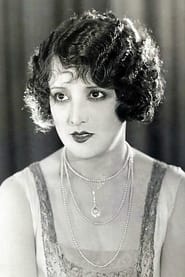
Estelle Taylor
Actor
Born: May 20, 1894 in Wilmington, Delaware, USA Died: April 15, 1958 Active: 1919-1945 Birth Name: Estelle Boylan
Films
8 films

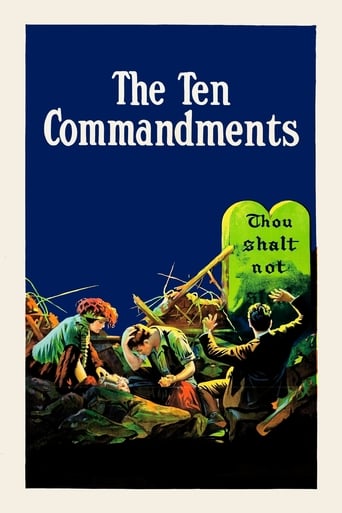
About Estelle Taylor
Prominent American actress who rose to stardom during the silent film era and successfully transitioned into talkies. Born in 1894, she began her career on Broadway before making her film debut in the early 1920s. Taylor quickly became glamorous and popular actresses of her time, known for her striking beauty and commanding screen presence. She worked with some of the biggest stars of the era, including Rudolph Valentino in 'The Eagle' and John Barrymore in 'Don Juan.' Her career peaked in the mid-1920s with roles in major productions like Cecil B. DeMille's 'The Ten Commandments.' While her popularity waned somewhat with the advent of sound, she continued acting in films throughout the 1930s and early 1940s, often in supporting roles. Taylor retired from acting in 1945 after a career spanning over two decades and more than 60 films. She spent her later years involved in business ventures and philanthropy before her death in 1958.
The Craft
On Screen
Estelle Taylor was known for her dramatic, expressive acting style that was well-suited to the silent film era. She possessed a commanding screen presence and utilized exaggerated facial expressions and body language to convey emotion effectively. Her performances were characterized by a certain theatricality inherited from her Broadway background, which translated well to the grand, epic productions she often appeared in. In talkies, she adapted her style to be more naturalistic while maintaining her signature intensity and glamour.
Milestones
- Broadway debut in 'The Great Adventure' (1919)
- Film debut in 'While New York Sleeps' (1920)
- Starred in Cecil B. DeMille's 'The Ten Commandments' (1923)
- Appeared in 'Don Juan' (1926), the first film with synchronized musical score
- Married boxing champion Jack Dempsey in 1925
- Successfully transitioned from silent films to talkies
- Received star on Hollywood Walk of Fame
Best Known For
Iconic Roles
Must-See Films
Accolades
Won
- Hollywood Walk of Fame Star (1960, posthumous)
Special Recognition
- Star on Hollywood Walk of Fame at 1627 Vine Street
- Named one of WAMPAS Baby Stars (1922)
Working Relationships
Worked Often With
Studios
Why They Matter
Impact on Culture
Estelle Taylor was one of the defining actresses of the silent era, representing the glamour and sophistication of 1920s Hollywood. Her roles in major productions like 'The Ten Commandments' helped establish the template for the epic Hollywood spectacle. As one of the few silent stars who successfully transitioned to talkies, she demonstrated remarkable adaptability in a rapidly changing industry. Her high-profile marriage to Jack Dempsey bridged the worlds of sports and entertainment, making them one of America's first true power couples. Taylor's career trajectory from Broadway to silent films to talkies exemplified the evolution of American entertainment during the early 20th century.
Lasting Legacy
Estelle Taylor's legacy lies in her contributions to the golden age of silent cinema and her successful navigation of the transition to sound films. She remains remembered for her striking beauty, dramatic performances, and her status as one of the leading actresses of her era. Her work in films like 'The Ten Commandments' and 'Don Juan' continues to be studied by film historians and enthusiasts of classic cinema. Taylor's career serves as an example of the challenges and opportunities faced by actors during.
Who They Inspired
Taylor influenced subsequent generations of actresses through her demonstration of how to successfully transition between different entertainment mediums and film technologies. Her ability to maintain stardom across the silent-to-sound transition provided a model for adaptability in an industry known for its rapid changes. Her glamorous screen persona and fashion sense helped define the look of the 1920s film star, influencing beauty standards and fashion trends of the era.
Off Screen
Estelle Taylor was married twice during her lifetime. Her first marriage was to Kenneth M. Peacock, a wealthy New Yorker, which ended in divorce. Her second and more famous marriage was to heavyweight boxing champion Jack Dempsey in 1925, which made them one of Hollywood's most high-profile couples of the 1920s. Their marriage ended in divorce in 1931. Taylor had no children. After retiring from acting, she became involved in various business ventures and was known for her philanthropic work, particularly supporting animal welfare causes.
Education
Attended local schools in Wilmington, Delaware; studied acting and voice in New York City
Family
- Kenneth M. Peacock (1915-1923)
- Jack Dempsey (1925-1931)
Did You Know?
- Was one of the WAMPAS Baby Stars of 1922, an annual selection of promising young actresses
- Stood at 5'3" but had a commanding screen presence that made her appear taller
- Was known for her distinctive dark beauty and was often compared to actresses like Pola Negri
- Her marriage to Jack Dempsey was
- Successfully sued a tabloid magazine for libel in the 1930s, setting a precedent for celebrity privacy rights
- Was an accomplished painter and sculptor in her later years
- Owned and operated a successful restaurant in Los Angeles after retiring from acting
- Was a passionate animal rights advocate and supported numerous animal welfare organizations
- Spoke fluent French, which helped in her international film career
- Her film 'Don Juan' (1926) featured the Vitaphone sound-on-disc system, a precursor to modern sound films
In Their Own Words
In silent pictures, you had to have your whole body talking. Your eyes, your hands, everything had to express what you were feeling.
The transition to sound was difficult for many of us, but I saw it as an opportunity to show that we could do more than just look pretty on screen.
Being married to Jack Dempsey was like being married to America itself - everyone felt they had a stake in our relationship.
Hollywood in the twenties was a magical place. We were creating a new art form and we knew it.
Frequently Asked Questions
Who was Estelle Taylor?
Prominent American actress who rose to fame during the silent film era of the 1920s and successfully transitioned into talkies. She was known for her striking beauty, dramatic performances in films like 'The Ten Commandments' and 'Don Juan,' and her high-profile marriage to boxing champion Jack Dempsey.
What films is Estelle Taylor best known for?
Titles linked here include The Ten Commandments (1923), Don Juan (1926).
When was Estelle Taylor born and when did she die?
Born May 20, 1894; died April 15, 1958.
What awards did Estelle Taylor win?
While Estelle Taylor did not receive major acting awards during her career, she was named one of the WAMPAS Baby Stars in 1922 and received a star on the Hollywood Walk of Fame in 1960, posthumously recognizing her contributions to cinema.
What was Estelle Taylor's acting style?
Taylor was known for her dramatic, theatrical acting style well-suited to silent films, utilizing expressive facial expressions and body language. She adapted her approach for talkies while maintaining her signature intensity and glamour, drawing from her Broadway background.
How was Estelle Taylor related to Jack Dempsey?
Estelle Taylor was married to heavyweight boxing champion Jack Dempsey from 1925 to 1931. Their marriage was.
Did Estelle Taylor successfully transition from silent films to talkies?
Yes, unlike many silent film stars, Taylor successfully transitioned to sound films. She appeared in 'Don Juan' (1926), which featured an early synchronized musical score, and continued acting through the 1930s and early 1940s, though often in supporting roles.
What was Estelle Taylor's legacy in film history?
Taylor's legacy lies in her contributions to silent cinema, her successful adaptation to sound films, and her representation of 1920s Hollywood glamour. She exemplified how actors could navigate the industry's technological changes while maintaining stardom, and her work in epic films helped establish the Hollywood spectacle format.