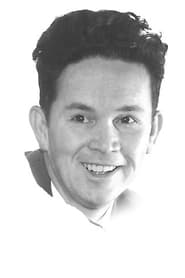
Charles Gemora
Actor
Born: June 15, 1903 in Warsaw, Poland Died: August 19, 1961 Active: 1928-1961 Birth Name: Charles Julius Gemora
Films
5 films
About Charles Gemora
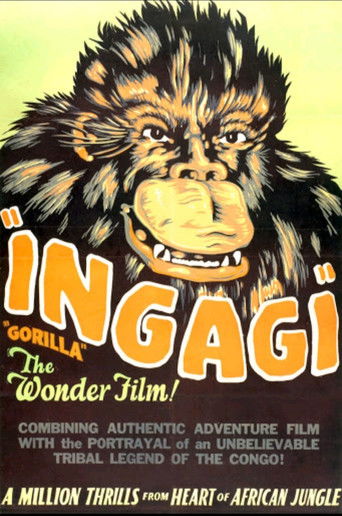
Charles Julius Gemora — Hollywood performer who became as the premier gorilla suit actor of Golden Age cinema. Born in Poland and emigrating to America as a child, Gemora began his entertainment career in vaudeville before transitioning to film work in the late 1920s. He gained widespread recognition for his incredibly realistic gorilla portrayals, designing and constructing his own detailed costumes that were considered revolutionary for their time. His breakthrough came with the controversial documentary-style film 'Ingagi' (1930), which became a box office sensation largely due to his convincing performance. Throughout the 1930s and 1940s, Gemora became Hollywood's go-to performer for gorilla roles, appearing in dozens of films including major productions like 'Murders in the Zoo' (1933), 'The Big Cage' (1933), and 'The Road to Rio' (1947). Beyond his on-screen work, Gemora — respected makeup artist and special effects creator who mentored other performers in the art of creature portrayal. His over three decades, during which he appeared in more than 60 films, cementing his legacy as the most influential gorilla performer in cinema history.
The Craft
On Screen
Gemora's acting style was characterized by his meticulous physical preparation and deep study of primate behavior. He spent countless hours observing gorillas at zoos and studying wildlife footage to perfect his movements and mannerisms. His performances combined athletic physicality with nuanced emotional expression, allowing him to convey both the terrifying power and surprising humanity of his simian characters. Gemora was known for his ability to perform complex action sequences while wearing his heavy, elaborate costumes, often executing stunts that other performers couldn't manage.
Milestones
- Breakthrough performance in 'Ingagi' (1930) that became a box office phenomenon
- Developed revolutionary gorilla suit designs that set industry standards
- Performed in over 60 films as gorilla and other creature roles
- Worked as makeup artist for major Hollywood studios
- Mentored future creature performers including Janos Prohaska
- Created special effects for numerous science fiction and horror films
- Appeared in Abbott and Costello films bringing gorilla characters to comedy
Best Known For
Iconic Roles
Must-See Films
Accolades
Special Recognition
- Honored by the makeup and special effects community as a pioneer in creature performance
- Recognized by film historians as the most influential gorilla suit performer in cinema history
Working Relationships
Worked Often With
Studios
Why They Matter
Impact on Culture
Charles Gemora fundamentally shaped how audiences perceived gorillas and other primates in American cinema for decades. His work in 'Ingagi' (1930), though controversial for its deceptive marketing, created a template for jungle adventure films that would influence the genre for years. Gemora's realistic performances helped establish the gorilla as both a terrifying monster and a sympathetic character in popular culture, paving the way for later films like 'King Kong' (1933). His innovative costume designs and makeup techniques became the industry standard, influencing generations of creature performers and special effects artists. Through his work in comedies with Abbott and Costello and other comedy teams, Gemora helped humanize the gorilla character, transforming it from pure monster to a figure that could be both frightening and funny.
Lasting Legacy
Charles Gemora's legacy endures as the undisputed king of gorilla performers in Hollywood's Golden Age. His influence can be seen in countless later films featuring ape characters, from the original 'Planet of the Apes' series to modern motion-capture performances. Film historians and makeup artists continue to study his techniques and costume designs as foundational examples of practical creature effects. Gemora's work represents a crucial bridge between the early days of cinema special effects and the more sophisticated techniques that would follow. His dedication to realism and physical performance set a standard that creature performers still aspire to today, making him a true pioneer in the field of cinematic special effects and performance art.
Who They Inspired
Gemora directly mentored and influenced several subsequent generations of creature performers, most notably Janos Prohaska, who would become famous for his own monster and creature work in the 1950s and 1960s. His costume design innovations influenced makeup artists like Jack Pierce at Universal, who created the well-known Frankenstein monster. Modern motion-capture performers, including Andy Serkis, owe a debt to pioneers like Gemora who established the art of physically embodying non-human characters. His techniques for creating believable animal movements and behaviors have been studied and adapted by performers in everything from theme park entertainment to modern blockbuster films.
Off Screen
Charles Gemora married Eleanor Theresa Sutherland in 1929, and they remained together until his death in 1961. The couple had two children, a son named Charles Jr. And a daughter named Gloria. Gemora was known as a devoted family man who balanced his demanding film career with his home life. Despite the often-grueling nature of his work, he maintained a cheerful disposition and was well-liked by his colleagues in the film industry. He was an avid animal lover and maintained a collection of exotic pets at his home, which he studied to improve his creature performances.
Education
Limited formal education; primarily self-taught in makeup artistry and performance techniques through practical experience and observation
Family
- Eleanor Theresa Sutherland (1929-1961)
Did You Know?
- Born Charles Julius Gemora in Warsaw, Poland, and emigrated to America as a child
- Designed and built his own gorilla suits, which were considered the most realistic of their time
- His performance in 'Ingagi' (1930) was so convincing that many audience members believed the film featured real gorillas
- Stood 6'2" tall and weighed over 200 pounds, adding to the realism of his gorilla portrayals
- Often performed his own stunts, including dangerous falls and fights while wearing his heavy costumes
- Worked with legendary animal trainer Clyde Beatty on several films
- His gorilla suit for 'Ingagi' reportedly weighed over 50 pounds and was extremely hot to wear
- Appeared in both horror films and comedies, showcasing his versatility as a performer
- Was known to study real gorillas at the Los Angeles Zoo for hours to perfect his movements
- His final film appearance was in 'The Creation of the Humanoids' (1962), released after his death
- Maintained a collection of exotic pets at his home to study their movements for his performances
In Their Own Words
I don't just wear a costume - I become the animal. You have to think like a gorilla, move like a gorilla, even breathe like a gorilla.
The secret is in the eyes. People look at the eyes, and if they believe the eyes, they'll believe the whole performance.
Every gorilla has its own personality. I try to find that personality in each role I play.
It's not just about looking like a gorilla - it's about making the audience forget they're watching a man in a suit.
Frequently Asked Questions
Who was Charles Gemora?
Hollywood performer known as the premier gorilla suit with credits in this catalog. Born in Poland in 1903, he became legendary for his incredibly realistic gorilla portrayals, designing his own costumes and performing in over 60 films from the 1920s through the 1950s.
What films is Charles Gemora best known for?
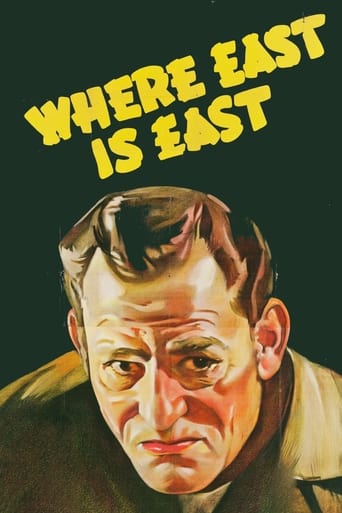
Titles linked here include Ingagi (1930), Where East Is East (1929).
When was Charles Gemora born and when did he die?
Born June 15, 1903; died August 19, 1961.
What awards did Charles Gemora win?
While Charles Gemora did not receive formal industry awards during his lifetime, he has been posthumously honored by the makeup and special effects community as a pioneer in creature performance. Film historians recognize him as the most influential gorilla suit performer in cinema history.
What was Charles Gemora's acting style?
Gemora's acting style was characterized by meticulous physical preparation and deep study of primate behavior. He spent hours observing real gorillas at zoos and studying wildlife footage to perfect authentic movements and mannerisms, combining athletic physicality with nuanced emotional expression to convey both power and humanity in his simian characters.
How did Charles Gemora influence cinema?
Gemora fundamentally shaped how audiences perceived gorillas in American cinema, establishing templates for jungle adventure films and creature performances. His innovative costume designs became industry standards, influencing generations of special effects artists and creature performers, while his work helped establish the gorilla as both terrifying monster and sympathetic character in popular culture.
Did Charles Gemora have any famous collaborators?
Gemora worked with many Hollywood legends throughout his career, including Bela Lugosi, Abbott and Costello, W.C. Fields, and animal trainer Clyde Beatty. He also collaborated with renowned makeup artist Jack Pierce at Universal Pictures and worked across major studios including Paramount, MGM, and Warner Bros.
What made Charles Gemora's gorilla performances special?
Gemora's performances were by his custom-designed, highly realistic costumes and his deep commitment to authenticity. He studied real gorilla behavior extensively, performed his own stunts while wearing heavy 50-pound suits, and brought emotional nuance to his roles, making audiences believe they were watching actual gorillas rather than actors in costumes.