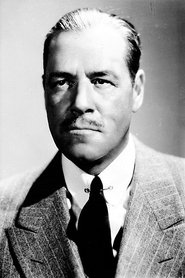
Jack Holt
Actor
Born: May 31, 1888 in New York City, New York, USA Died: January 18, 1951 Active: 1916-1946 Birth Name: Charles John Holt
Films
7 films

About Jack Holt
Jack Holt was one of Hollywood's most prolific and durable leading men during the silent era and early sound period, known for his rugged masculinity and commanding screen presence. Born Charles John Holt in New York City, he began his film career after serving in World War I, quickly establishing himself as a reliable leading man in action films and dramatic roles. Holt's breakthrough came in Cecil B. DeMille's productions at Paramount Pictures, where he starred in numerous successful films throughout the 1920s. He successfully transitioned to sound films, though his career gradually shifted toward supporting roles and character parts as he aged. Over his three-decade career, Holt appeared in more than 200 films, working with virtually every major studio and director of his era. His rugged good looks and authoritative demeanor made him particularly effective in military roles, westerns, and adventure films. Despite never achieving the superstardom of some contemporaries, Holt's consistency and professionalism made him respected character actors of his generation.
The Craft
On Screen
Holt was known for his naturalistic yet powerful screen presence, combining rugged masculinity with emotional depth. His acting style was characterized by strong physical presence, authoritative voice, and the ability to convey complex emotions through subtle facial expressions. Unlike many silent era stars who struggled with the transition to sound, Holt's deep, commanding voice and articulate delivery made him particularly effective in talkies. He excelled in roles requiring strength and authority, bringing authenticity to military characters, lawmen, and patriarchal figures.
Milestones
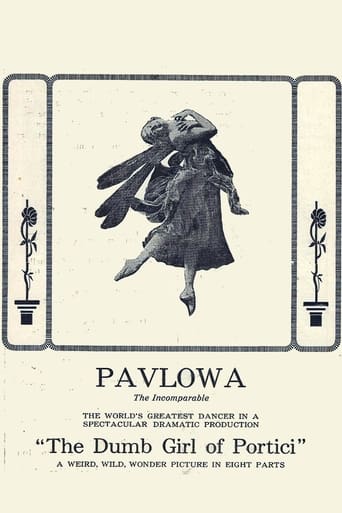
- Breakthrough role in 'The Dumb Girl of Portici' (1916)
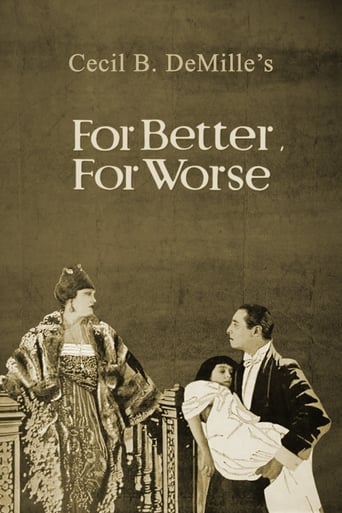
- Starring in Cecil B. DeMille productions at Paramount
- Successful transition to sound films in late 1920s
- Long-term contract with Columbia Pictures in the 1930s
- Over 200 film appearances spanning three decades
- Father of two successful child actors
Best Known For
Iconic Roles
Must-See Films
Accolades
Special Recognition
- Hollywood Walk of Fame star (6600 Hollywood Boulevard)
Working Relationships
Worked Often With
Studios
Why They Matter
Impact on Culture
Jack Holt represented the archetypal American leading man of the silent and early sound era, embodying the values of strength, honor, and rugged individualism that characterized American cinema of the period. His successful transition from silent films to talkies demonstrated the importance of versatility and adaptability in early Hollywood. Holt's active years covered the evolution of American cinema from its primitive beginnings to the sophisticated studio system, making him a living link between different eras of film history. His portrayal of military and authority figures helped establish screen archetypes that would influence generations of actors.
Lasting Legacy
Jack Holt's legacy lives on through his extensive filmography, which provides a valuable record of American cinema's development during its formative decades. His greatest legacy may be through his children, Tim and Jennifer Holt, who carried on the family tradition in Hollywood. Holt's career serves as a model of longevity and adaptability in an industry known for its fleeting fame. His work continues to be studied by film historians and appreciated by classic cinema enthusiasts for its authenticity and craftsmanship.
Who They Inspired
Holt influenced subsequent generations of character actors through his naturalistic approach and professionalism. His success in portraying authority figures helped establish screen archetypes for military officers and lawmen that persisted throughout Hollywood's Golden Age. His ability to transition between leading and supporting roles demonstrated career longevity strategies that many actors would later emulate. Through his son Tim Holt's successful Western career, Jack Holt's influence extended into the genre film tradition of the 1940s and 1950s.
Off Screen
Jack Holt married actress Margaret Wood in 1926, and their marriage lasted until his death in 1951. The couple had two children who both followed in their father's footsteps to become actors. Holt was known as a devoted family man who maintained a stable home life despite the pressures of Hollywood. He was also a decorated World War I veteran, having served with distinction in the United States Army, which influenced many of his later film roles. Holt was known for his professionalism and reliability on set, earning him respect throughout the industry.
Education
Studied engineering at Virginia Military Institute before pursuing acting
Family
- Margaret Wood (1926-1951)
Did You Know?
- Served as a second lieutenant in the 79th Infantry Division during World War I
- Was a champion polo player and maintained horses throughout his life
- His son Tim Holt co-starred with Humphrey Bogart in 'The Treasure of the Sierra Madre'
- Appeared in over 200 films but was never nominated for an Academy Award
- Was originally considered for the lead role in 'Stagecoach' (1939) before John Wayne was cast
- Maintained a ranch in California where he raised cattle and horses
- Was a close friend of fellow actor Wallace Beery
- His daughter Jennifer Holt appeared in over 50 films, mostly Westerns
- Was known for doing many of his own stunts throughout his career
- His final film appearance was in 'The Best Years of Our Lives' (1946) in an uncredited role
In Their Own Words
Acting isn't about being someone else - it's about finding the part of yourself that connects with the character.
The camera doesn't lie, but it also doesn't tell the whole story. That's where the actor comes in.
In this business, you're only as good as your last picture, but you're remembered for how you treated people along the way.
Frequently Asked Questions
Who was Jack Holt?
Prolific American with credits in this catalog.
What films is Jack Holt best known for?
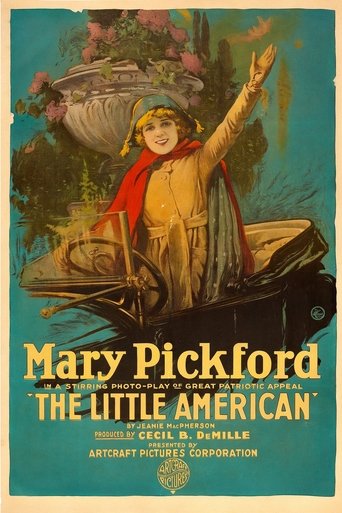
Titles linked here include The Dumb Girl of Portici (1916), The Little American (1917).
When was Jack Holt born and when did he die?
Born May 31, 1888; died January 18, 1951.
What awards did Jack Holt win?
While Jack Holt never received Academy Award nominations, he was honored with a star on the Hollywood Walk of Fame at 6600 Hollywood Boulevard for his contributions to the film industry.
What was Jack Holt's acting style?
Holt's acting style combined naturalistic performance with commanding physical presence, characterized by his deep voice, rugged demeanor, and ability to portray authority figures with authenticity and emotional depth.
Did Jack Holt have any famous children?
Yes, both of Jack Holt's children became successful actors - his son Tim Holt became a prominent Western star, while his daughter Jennifer Holt appeared in numerous B-movies and Westerns.
How did Jack Holt transition from silent to sound films?
Holt successfully transitioned to sound films due to his deep, commanding voice and articulate delivery, continuing his career as a leading man in the early 1930s before moving into character roles.