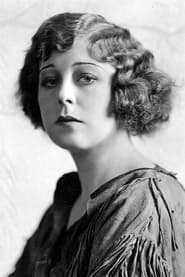
Seena Owen
Actor
Born: November 14, 1894 in Spokane, Washington, USA Died: August 15, 1966 Active: 1914-1933 Birth Name: Signe Marie Auen
Films
5 films
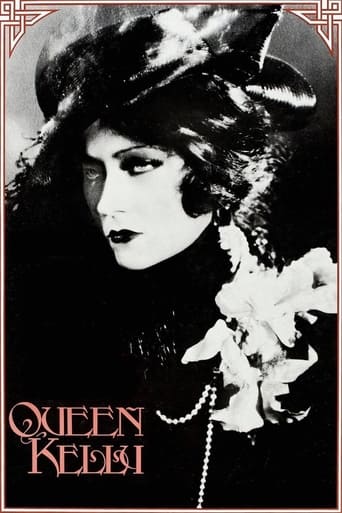

About Seena Owen
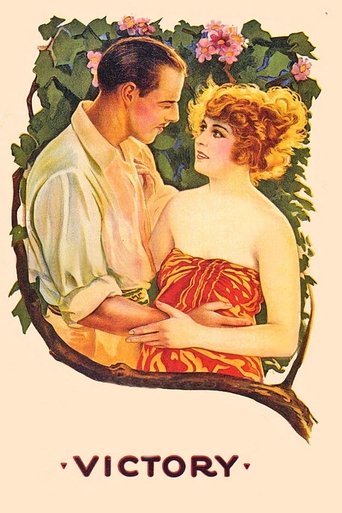
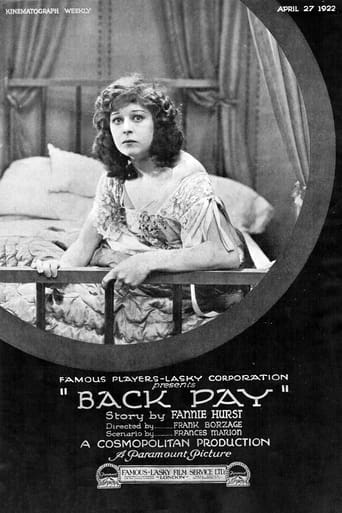
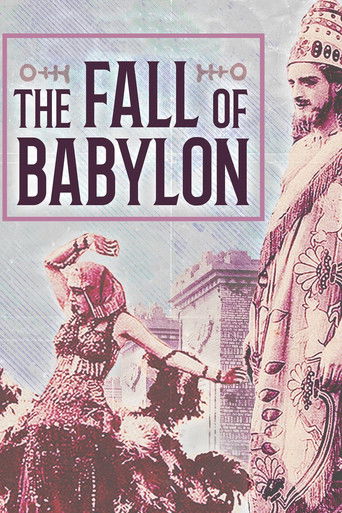
Prominent silent film actress: the golden age of Hollywood cinema from 1914 to 1933. Born Signe Marie Auen in Washington state to Danish immigrant parents, she began her career as a model before being discovered by film producer Thomas H. Ince. Owen rose to prominence through her collaborations with directors, most notably D.W. Griffith in the epic 'Intolerance' (1916) where she played the Mountain Girl, and Erich von Stroheim in several of his masterpieces. Her most acclaimed performances included roles in 'Victory' (1919), 'The Fall of Babylon' (1919), 'Back Pay' (1922), and the controversial 'Queen Kelly' (1928). Known for her striking beauty and intense dramatic performances, Owen successfully transitioned from supporting roles to leading lady status, becoming one of the highest-paid actresses of the silent era. Her career declined with the advent of sound pictures, though she made a few appearances in early talkies before retiring from acting. After her film career ended, Owen found success as a screenwriter, contributing to several films in the 1930s and 1940s under various pseudonyms.
The Craft
On Screen
Seena Owen was known for her intense, naturalistic acting style that stood out in the era of exaggerated silent film performances. She possessed a remarkable ability to convey complex emotions through subtle facial expressions and body language, particularly excelling in dramatic and tragic roles. Her screen presence was characterized by a combination of ethereal beauty and emotional depth, allowing her to portray both innocent and sophisticated characters with equal conviction. Owen was particularly skilled at playing strong-willed, independent women who faced moral dilemmas, bringing psychological realism to her performances that resonated with audiences of the time.
Milestones
- Breakthrough role in D.W. Griffith's 'Intolerance' (1916)
- Leading role in Erich von Stroheim's 'Blind Husbands' (1919)
- Starred in 'Victory' (1919) opposite Jack Holt
- Memorable performance in 'The Fall of Babylon' (1919)
- Critical acclaim for 'Back Pay' (1922)
- Controversial starring role in 'Queen Kelly' (1928)
- Transitioned to screenwriting in the 1930s
Best Known For
Iconic Roles
Must-See Films
Accolades
Special Recognition
- Star on the Hollywood Walk of Fame (located at 1724 Vine Street)
Working Relationships
Worked Often With
Studios
Why They Matter
Impact on Culture
Seena Owen made a significant cultural impact as. Her role in 'Intolerance' helped establish the template for the epic historical drama genre, influencing countless future films. Owen's work with von Stroheim contributed to the development of psychological realism in cinema, pushing the boundaries of what was considered acceptable content in mainstream films. As one of the few actresses who successfully negotiated her own contracts and maintained creative control over her projects, she helped pave the way for greater autonomy for performers in Hollywood.
Lasting Legacy
Seena Owen's legacy endures through her surviving film performances, which continue to be studied by film historians and screened at classic film festivals worldwide. Her work represents some of the finest examples of silent film acting, particularly her ability to convey complex emotions without dialogue. The controversy surrounding 'Queen Kelly' and her collaboration with von Stroheim has become part of Hollywood legend, frequently cited in studies of artistic conflicts and studio interference. Owen's successful transition to screenwriting demonstrated the adaptability of silent film artists in the face of technological change, serving as an inspiration for performers seeking to evolve their careers. Her star on the Hollywood Walk of Fame ensures her permanent place in cinematic history.
Who They Inspired
Seena Owen influenced subsequent generations of actresses through her naturalistic acting style, which stood in contrast to the more theatrical performances common in early cinema. Her success in playing strong, independent female characters helped expand the range of roles available to women in Hollywood. Owen's business acumen and ability to maintain creative control over her career served as a model for later performers seeking greater autonomy in the studio system. Her work in von Stroheim's films particularly influenced the development of psychological realism in cinema, impacting directors and actors who sought to bring greater depth to their performances.
Off Screen
Seena Owen's personal life was marked by two significant marriages to prominent figures in the film industry. Her first marriage was to director George Loane Tucker in 1915, which ended with his death in 1921. In 1926, she married director Erich von Stroheim, though their marriage was tumultuous and ended in divorce in 1939. Despite her glamorous screen image, Owen was known for her intelligence and business acumen, carefully managing her finances during her peak years. After retiring from acting, she maintained a relatively private life in Hollywood, occasionally working as a screenwriter and living comfortably on her investments. She never had children and spent her later years away from the public eye.
Education
Attended public schools in Spokane, Washington; later studied drama and took acting classes in Los Angeles after beginning her film career
Family
- George Loane Tucker (1915-1921)
- Erich von Stroheim (1926-1939)
Did You Know?
- Changed her name from Signe Marie Auen to Seena Owen early in her career at the suggestion of a studio executive
- Was discovered by Thomas H. Ince while working as a model in Los Angeles
- Her role in 'Intolerance' was originally meant to be small but was expanded due to her impressive performance
- Was one of the highest-paid actresses of the silent era, earning $2,000 per week at her peak
- The production of 'Queen Kelly' was shut down after extensive shooting, leaving the film incomplete for decades
- Was known for her intelligence and was reportedly fluent in multiple languages
- Successfully invested her film earnings in real estate, ensuring financial security after her acting career ended
- Wrote screenplays under various pseudonyms in the 1930s and 1940s
- Her marriage to von Stroheim was one of Hollywood's most talked-about relationships of the 1920s
- Appeared in over 50 films during her career, though many are now lost
In Their Own Words
'The camera doesn't lie, but it can be made to tell beautiful truths'
'Silent films required actors to speak with their souls, not their voices'
'Working with von Stroheim was like dancing with a tornado - exhausting but unforgettable'
Frequently Asked Questions
Who was Seena Owen?
Prominent silent film actress who starred in major Hollywood productions from 1914 to 1933. Born Signe Marie Auen, she was known for her roles in D.W. Griffith's 'Intolerance' and several films directed by Erich von Stroheim, becoming one of the highest-paid actresses of the silent era.
What films is Seena Owen best known for?
Titles linked here include Intolerance (1916), Victory (1919).
When was Seena Owen born and when did she die?
Born November 14, 1894; died August 15, 1966.
What awards did Seena Owen win?
While Seena Owen did not receive major film awards during her career (as the award system was not yet established during her peak years), she received a star on the Hollywood Walk of Fame at 1724 Vine Street in recognition of her contributions to cinema.
What was Seena Owen's acting style?
Seena Owen was known for her naturalistic and subtle acting style, which contrasted with the more theatrical performances common in silent films. She excelled at conveying complex emotions through facial expressions and body language, particularly in dramatic and tragic roles.
Was Seena Owen married?
Yes, Seena Owen was married twice. Her first marriage was to director George Loane Tucker from 1915 until his death in 1921. Her second marriage was to director Erich von Stroheim from 1926 to 1939, which was a highly publicized and tumultuous relationship.
What happened to Seena Owen's career in the sound era?
Seena Owen's career declined with the advent of sound pictures, as her acting style was better suited to silent films. She made only a few appearances in early talkies before retiring from acting in 1933 and transitioning to screenwriting work in the 1930s and 1940s.