The Paleface
"Collector unwittingly wanders Indian."
Keys: Space play/pause · ←/→ 10s · F fullscreen · M mute · </> speed
About this film
A butterfly collector unwittingly wanders into an Indian encampment while chasing a butterfly, but the tribe has resolved to kill the first white man who enters their encampment because white oil tycoons are trying to force them from their land.
Cast & crew
More films like this

More Western films
View all →

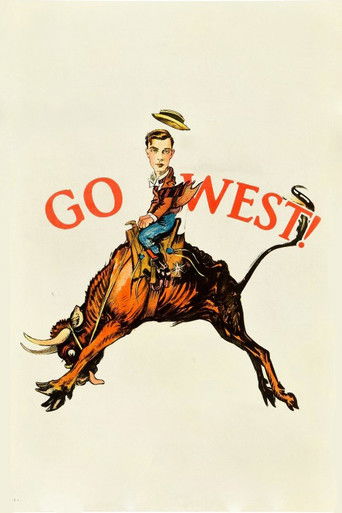
More from Buster Keaton
View all →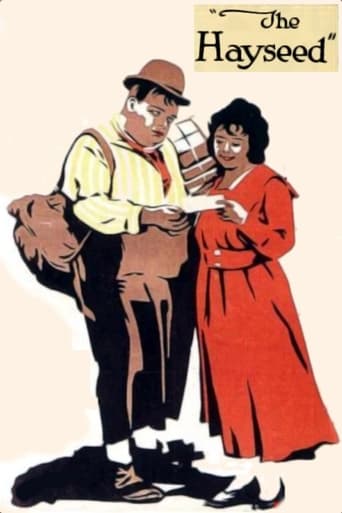
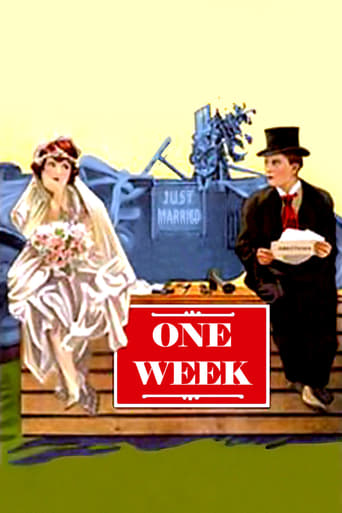

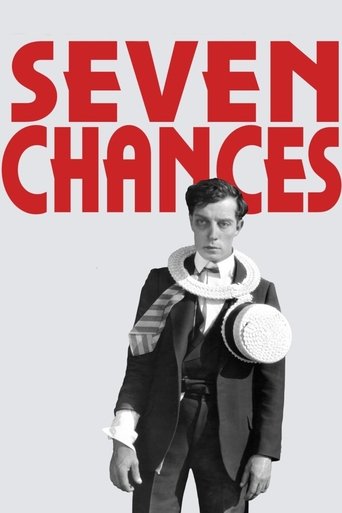
More about this film
About the production
Release dateNovember 26, 1922
BudgetNot specifically documented, but typical two-reel shorts of this era had budgets between $20,000-$40,000
Box officeBox office figures for individual shorts of this period are not well documented, but Keaton's films were highly profitable for their distributors
ProductionBuster Keaton Productions, First National Pictures (distributor)
Filmed inCalifornia, Los Angeles area, Possible studio backlots and outdoor locations in Southern California
This was one of Keaton's independent productions where he maintained complete creative control. The film was shot during Keaton's most productive and critically acclaimed period (1920-1923). Keaton performed all his own stunts, including potentially dangerous sequences involving falls and physical comedy. The production utilized Keaton's regular team of collaborators who understood his unique comedic vision and timing.
Themes
Cultural misunderstandingCorporate greed vs. indigenous rightsThe little man against the systemNature vs. civilizationUnexpected heroism
Themes & topics
butterfly collectorIndian encampmentoil companywestern parodyphysical comedysilent filmshort filmmistaken identitycorporate greedcultural clashslapstickunderdog hero
Historical background
Production circa 1922 placed The Paleface within the technical habits of its era—intertitles, studio sets, and regional distribution networks.
Why this film matters
Archivists revisit The Paleface (1922) for performance styles and craft choices that later releases refined or replaced.
Making of
The production of 'The Paleface' exemplified Buster Keaton's hands-on approach to filmmaking. As head of his own production company, Keaton was involved in every aspect of the creative process, from developing the initial concept to overseeing final editing. The film was shot quickly, as was typical for short comedies of the era, but Keaton's perfectionism meant that individual sequences could take days to perfect. The stunt work was particularly challenging, with Keaton insisting on performing all his own physical comedy despite the risks. The production team included Keaton's regular collaborators who had developed an almost telepathic understanding of his comedic timing and visual style. The Indian encampment sets were likely constructed on studio backlots, with attention to period detail that exceeded typical comedy short standards. Keaton's innovative use of location shooting, combined with studio work, helped create a more authentic and visually interesting film than many contemporaneous shorts.
What critics said
Trade papers near 1922 listed The Paleface among weekly program offerings rather than as a headline critical event.
Did you know?
- The title 'The Paleface' was later used for a completely different 1948 film starring Bob Hope, causing some confusion among film enthusiasts
- This film was released during what many consider Buster Keaton's golden age, when he produced his most innovative and technically sophisticated work
- Keaton's character's butterfly collecting hobby serves as both a comedic device and a subtle commentary on the 'civilized' world's obsession with collecting and categorizing nature
- The film's treatment of Native Americans, while stereotypical by modern standards, was relatively progressive for its time, portraying them as sympathetic victims of corporate greed
- Keaton performed all his own stunts in this film, including potentially dangerous falls and physical comedy sequences that would be impossible to insure today
- The oil company subplot reflects real contemporary issues of the 1920s, when oil discoveries and corporate land grabs were major news in the American West
- This short film was part of a series of two-reel comedies Keaton produced independently, giving him unprecedented creative control compared to other silent comedians
- The film's gags were meticulously planned and rehearsed, with Keaton often spending days perfecting a single physical comedy sequence
- Keaton's deadpan expression throughout the film, even in life-threatening situations, became his trademark and influenced generations of comedians
- The butterfly prop used in the film was reportedly quite detailed and expensive for such a brief appearance, showing Keaton's attention to visual detail
Visual style
The cinematography in The Paleface, while uncredited as was typical for the era, demonstrates sophisticated visual storytelling techniques characteristic of Keaton's best work. The film makes effective use of both location shooting and studio sets to create a believable Western environment. The camera work supports Keaton's physical comedy by maintaining clear sightlines and optimal framing for his elaborate gags. The butterfly chase sequence particularly showcases innovative camera movement and positioning to follow the action while maintaining comedic timing. The film employs depth of field effectively, especially in scenes with multiple characters and props, allowing complex visual gags to play out simultaneously. The cinematography also captures the scale of the Western setting, using wide shots to establish locations before moving to closer framing for intimate comedy moments. The visual style balances the natural beauty of outdoor locations with the controlled environment needed for precise stunt work.
Innovations
The Paleface showcases several technical achievements typical of Keaton's sophisticated approach to filmmaking. The film's stunt sequences represent remarkable physical comedy achievements, with Keaton performing dangerous falls and complex gags that required precise timing and coordination. The production's use of both location shooting and studio sets demonstrates advanced production planning for a short comedy. The film's special effects, while subtle, include clever editing techniques and prop work that create believable comedic situations. The butterfly prop and related mechanical effects were particularly innovative for the time. The film's pacing and editing represent a sophisticated understanding of comedic rhythm, with cuts timed to maximize the impact of physical gags. The production also demonstrates advanced set design and construction, creating believable Western environments on studio backlots. These technical elements combined to create a polished final product that exceeded the typical standards for two-reel comedies of the era.
Music
As a silent film, The Paleface would have been accompanied by live musical performances during its original theatrical run. The typical accompaniment would have been a piano or organ in smaller theaters, with larger venues potentially employing small orchestras. The music would have been selected or improvised to match the mood and action of each scene, with faster, more playful music during chase sequences and more suspenseful music during moments of perceived danger. The score would have included popular songs of the era as well as classical pieces adapted for silent film accompaniment. Modern presentations of the film often feature newly composed scores or carefully selected period-appropriate music that enhances the viewing experience while respecting the film's original silent nature. The absence of dialogue makes the musical accompaniment particularly important in conveying emotion and pacing the comedy.
Famous quotes
As a silent film, dialogue was conveyed through intertitles and physical expression rather than spoken quotes
Memorable scenes
- The opening butterfly chase sequence where Keaton's character becomes increasingly obsessed with capturing his specimen, leading him into dangerous territory. This scene perfectly establishes Keaton's character as single-minded to the point of absurdity, and features some of the film's most inventive physical comedy as he navigates various obstacles while maintaining focus on his butterfly net. The scene escalates from simple pursuit to increasingly complex gags, setting the tone for the entire film.
What audiences thought
The Paleface was well-received by contemporary audiences who were enthusiastic fans of Buster Keaton's unique style of comedy. The film's combination of physical gags, relatable underdog character, and Western setting appealed to broad audiences of the early 1920s. Moviegoers particularly appreciated Keaton's ability to create humor out of increasingly absurd situations while maintaining his trademark deadpan expression. The film's success contributed to Keaton's growing popularity and helped establish him as one of the leading comedy stars of the silent era. Modern audiences encountering the film through revivals and home video have continued to respond positively to its timeless humor and visual inventiveness. The movie's accessibility - requiring no knowledge of 1920s culture to appreciate - has helped it remain entertaining to contemporary viewers, though some aspects of its portrayal of Native Americans are viewed differently through a modern lens.
Film connections
Influenced by
- Charlie Chaplin's tramp character
- Harold Lloyd's everyman comedies
- Traditional Western films
- Vaudeville comedy traditions
- Mack Sennett's Keystone comedies
- American frontier mythology
This film influenced
- Bob Hope's The Paleface (1948) - title homage
- Jackie Chan's action-comedy films
- The Three Stooges' Western shorts
- Mel Brooks' Blazing Saddles (1974) - Western parody
- Jim Carrey's physical comedy films
Film restoration
The Paleface has been preserved and is available through various film archives and restoration projects. The film exists in complete form and has been digitally restored for modern viewing. It is part of the collection at several major film archives, including the Library of Congress and the Museum of Modern Art's film department. The preservation efforts have ensured that this important example of Keaton's work remains accessible to contemporary audiences. The film has been included in several DVD and Blu-ray collections of Keaton's shorts, often with newly commissioned musical scores that enhance the viewing experience while respecting the silent nature of the original work.
Where to watch
- The Criterion Channel
- Kino Lorber's Buster Keaton collections on DVD/Blu-ray
- The Buster Keaton Short Films collection from Cohen Film Collection
- Various streaming services specializing in classic cinema
- Film archive screenings and retrospectives
- Public domain versions available on some free streaming platforms (though quality may vary)