The Haunted House
"Spooks, loot, and stagecraft"
Keys: Space play/pause · ←/→ 10s · F fullscreen · M mute · </> speed
About this film
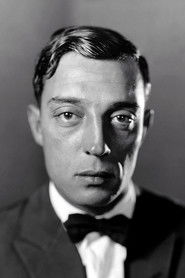
A bank teller who becomes involved with a hold-up, counterfeiters and a theatrical troupe posing as spooks in a haunted house. Exhibitors circulated the 1921 print in short programs.
Cast & crew
More films like this

More Comedy films
View all →







More from Buster Keaton
View all →

More about this film
About the production
Release dateFebruary 20, 1921
ProductionBuster Keaton Productions, First National Pictures
Filmed inLos Angeles, California, Keaton Studio, Hollywood
The film featured innovative special effects for its time, including early use of matte paintings and trick photography to create ghostly apparitions. The haunted house set was among the leading elaborate and expensive sets Keaton had built to date. The famous staircase sequence where Buster slides down the railing and through multiple floors required precise timing and engineering.
Themes
Identity and mistaken identityThe supernatural vs. the rationalFear as comedyDeception and illusionThe thin line between horror and humor
Themes & topics
haunted housebank robberymistaken identitycounterfeiterstheatrical troupeghostsphysical comedyslapsticksilent filmspecial effects
Historical background
The Haunted House reached screens around 1921, produced in its country of origin. Silent-era houses paired such titles with live music and newsreel bills.
Why this film matters
Researchers cite The Haunted House when tracing screen culture of its decade.
Making of
The production of The Haunted House was particularly challenging due to its ambitious special effects and elaborate set design. Keaton and his team spent weeks constructing the multi-level haunted house set, complete with secret passages, trap doors, and a complex spiral staircase. The famous scene where Buster slides down the staircase railing required multiple takes and precise engineering to ensure his safety. The film's ghost effects were created using a combination of double exposure, matte paintings, and actors on wires, techniques that were revolutionary for the time. Keaton's perfectionist nature meant he rehearsed each gag extensively, often spending days perfecting a single physical comedy sequence. The theatrical troupe subplot was added late in production to provide additional comic relief and to explain some of the 'supernatural' occurrences.
What critics said
Reviewers in 1921 weighed The Haunted House on clarity, pacing, and audience response rather than prestige status. No single canonical review dominates later reference works for the title.
Did you know?
- This was one of the first films to combine horror elements with comedy, a genre blend that would become popular decades later
- The film's special effects were considered groundbreaking for 1921, using techniques like double exposure and hidden wires
- Buster Keaton performed his own stunts, including the dangerous fall down the spiral staircase
- The haunted house set was so convincing that local residents reportedly thought a real haunted house had been built in their neighborhood
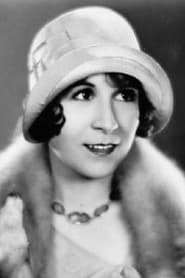
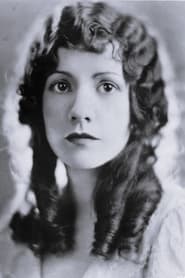
- Virginia Fox, who played the female lead, was one of Keaton's regular collaborators and appeared in several of his films
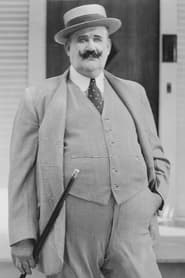
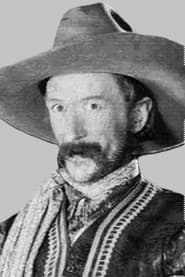
- Joe Roberts, who played the villain, was a frequent Keaton collaborator and appeared in 13 of his films
- The film's title was originally 'The Ghost House' but was changed to 'The Haunted House' before release
- Many of the 'ghost' effects were created using techniques that Keaton learned from magician Harry Houdini
- The film was shot in just three weeks, remarkably fast for a film with such elaborate sets and effects
- Keaton reportedly broke three ribs during filming but continued shooting without medical attention
Visual style
The cinematography in The Haunted House was handled by Elgin Lessley, Keaton's regular cameraman. The film features innovative camera techniques for its time, including unusual angles and movements that enhance the comedic effect. Lessley employed creative lighting techniques to create the spooky atmosphere while maintaining visibility for the physical comedy. The famous staircase sequence was particularly challenging to film, requiring precise camera placement to capture Keaton's movements through multiple levels of the set. The film's ghost effects were achieved through sophisticated double exposure techniques that required exact timing and camera work. The cinematography successfully balances the horror elements with the comedy, using shadows and lighting to create atmosphere without obscuring the visual gags.
Innovations
The Haunted House was technically ambitious for its time, featuring several innovations in special effects and set design. The film's ghost effects were created using sophisticated double exposure techniques that were cutting-edge in 1921. The elaborate haunted house set featured working trap doors, secret passages, and a complex multi-level staircase that allowed for intricate physical comedy sequences. The film also made innovative use of matte paintings to extend the sets and create the illusion of larger spaces. Keaton's team developed new techniques for creating floating objects and other supernatural phenomena that would influence special effects work for decades. The film's production design was particularly notable for its attention to detail and its integration of the comedy into the very architecture of the sets.
Music
As a silent film, The Haunted House was originally presented with live musical accompaniment that varied by theater. Typical scores included popular songs of the era as well as classical pieces chosen to match the mood of each scene. Modern restorations have been scored by various composers, including some who specialize in silent film accompaniment. The most common modern scores use a combination of period-appropriate music and original compositions that enhance both the comedic and horror elements. Some contemporary screenings feature live organ or piano accompaniment, continuing the tradition of silent film exhibition. The music plays a crucial role in the film's effectiveness, providing cues for both scares and laughs.
Famous quotes
While silent, the film features intertitle cards including: 'The First National Bank is being robbed by a gang of desperate men!'
Intertitle: 'He seeks refuge in a haunted house - not knowing that ghosts are the least of his troubles'
Intertitle: 'The counterfeiters have their own way of making money'
Intertitle: 'Meanwhile, in another part of the house...'
Intertitle: 'A theatrical troupe specializing in spooks has taken up residence'
Memorable scenes
- The iconic staircase sequence where Buster slides down multiple floors of spiral staircase, navigating various obstacles and ghostly apparitions in one continuous take
- The scene where Buster attempts to hide from both the counterfeiters and the fake ghosts, leading to a frantic chase through the house's secret passages
- The opening bank robbery sequence where Buster's deadpan reactions contrast with the chaos around him
- The finale where all the characters converge in the main hall, creating a spectacular display of physical comedy and special effects
What audiences thought
The Haunted House was a commercial success upon its release, drawing large audiences to theaters across the United States. Contemporary audience reports indicate that viewers were particularly impressed by the film's special effects and elaborate production values. The film's blend of scares and laughs proved especially popular with audiences, who found the combination thrilling and entertaining. Modern audiences continue to appreciate the film, with it regularly screening at film festivals and classic cinema events. The film has maintained its appeal over the decades, with new generations discovering Keaton's genius through this and other works. Online film databases show consistently high ratings from viewers, who praise the film's creativity and timeless humor.
Film connections
Influenced by
- The Haunted Castle (1921)
- The Cabinet of Dr. Caligari (1920)
- Harold Lloyd's safety comedy films
- Charlie Chaplin's blend of pathos and comedy
- Contemporary stage magic shows
- Spiritualist movement of the 1920s
This film influenced
- Scared Stiff (1953)
- Haunted House (1940)
- The Ghost Breakers (1940)
- Abbott and Costello Meet the Invisible Man (1951)
- Young Frankenstein (1974)
- Scary Movie franchise
- Haunted Mansion (2003)
- Shaun of the Dead (2004)
Film restoration
The Haunted House is well-preserved with multiple copies existing in film archives worldwide. The film has been restored by various organizations including the Cohen Film Collection and the Museum of Modern Art. A high-quality restoration was released on Blu-ray in 2018 as part of The Buster Keaton Collection. The original nitrate negatives have been preserved at the Library of Congress, ensuring the film's survival for future generations. Several complete 35mm prints exist in archives around the world, and the film is readily available in digital formats.
Where to watch
- The Criterion Channel
- Kino Lorber Blu-ray releases
- YouTube (official uploads)
- Amazon Prime Video
- Apple TV
- Google Play Movies
- Various streaming services specializing in classic films
- Film archives and museum screenings
- TCM (Turner Classic Movies) occasional broadcasts