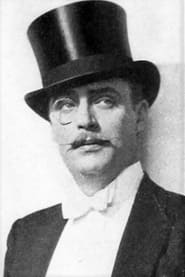
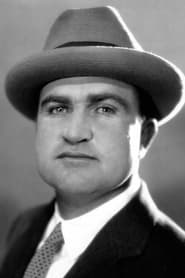

The Frozen North
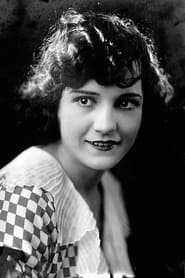
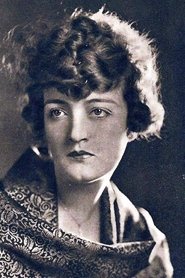
"Marion Harlan and Bonnie Hill co-star in the film"
Keys: Space play/pause · ←/→ 10s · F fullscreen · M mute · </> speed
About this film
Runs for around 17 minutes. Marion Harlan and Bonnie Hill co-star in the film.
Cast & crew
More Comedy films
View all →






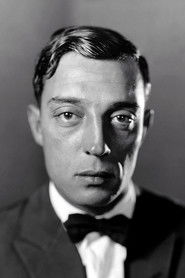
More from Buster Keaton
View all →

More about this film
About the production
Release dateJune 25, 1922
BudgetNot documented in historical records
Box officeNot documented in historical records
ProductionBuster Keaton Productions
Filmed inCalifornia, Keaton Studios in Hollywood, Sierra Nevada mountains
The film was co-directed by Buster Keaton and Edward F. Cline, who frequently collaborated. The snow scenes were challenging to film in the era before artificial snow was commonly used, requiring either location shooting in actual snowy conditions or creative studio solutions. The film was part of Keaton's series of two-reel comedies produced for First National.
Themes
Parody and satire of popular film genresThe contrast between appearance and realityThe absurdity of melodramatic conventionsThe nature of dreams and imaginationThe deconstruction of heroic archetypes
Themes & topics
Historical background
The Frozen North (1922) circulated in the silent era. The film runs for around 17 minutes. Contemporary trade papers and later preservation notes document its place among nickelodeon and cinema-club programs.
Why this film matters
The Frozen North remains accessible to researchers and viewers as a comedy short in museum, archive, and streaming collections. The film is a parody of early western films, especially those of William S.
Making of
"The Frozen North" was created during a highly productive period in Buster Keaton's career when he was making approximately two-reel comedies for First National. The collaboration with Edward F. Cline was significant, as Cline had worked with Keaton on several previous films and understood his unique comedic vision. The snow sequences presented particular challenges, as the team had to create convincing winter conditions in California. They likely used a combination of location footage shot in mountain areas and studio sets with artificial snow. The parody of William S. Hart was considered bold at the time, as Hart was among the leading respected and popular western stars. Keaton's decision to wear a mustache for the role was significant, as it marked a departure from his usual clean-shaven appearance that had become his trademark.
What critics said
Day-one reviews for The Frozen North are sparse in digitized press archives; later criticism treats it as a reference point for 1922 cinema programming and preservation.
Did you know?
- The film is a direct parody of William S. Hart, a popular western star known for his serious, melodramatic performances
- Keaton mimics Hart's distinctive acting style and mannerisms throughout the film
- The film features Keaton wearing a large mustache, unusual for his clean-shaven persona
- The 'dream sequence' ending was a common trope in early comedy films
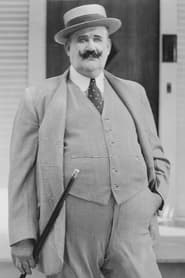
- Joe Roberts, who plays the villain, was a frequent collaborator with Keaton, appearing in many of his films
- Sybil Seely, who plays Keaton's wife, was a regular in Keaton's early films and his romantic interest off-screen for a time
- The film was part of a series of parodies Keaton created, mocking popular film genres of the era
- The snow scenes were particularly impressive for the time, showcasing Keaton's commitment to authentic settings
- The film's title is ironic, as westerns were typically set in the American Southwest, not the frozen north
- Keaton's deadpan expression throughout the film enhances the parody of Hart's overly dramatic style
Visual style
The cinematography of "The Frozen North" was handled by Elgin Lessley, a frequent collaborator with Keaton. The film features effective use of contrast between the snowy exteriors and interior scenes. The snow sequences demonstrate technical proficiency in creating convincing winter conditions, likely using a combination of location shooting and studio effects. The camera work supports the comedy through careful framing of gags and the use of long shots to showcase Keaton's physical comedy. The film employs typical silent era techniques but with particular attention to visual storytelling that enhances the parody elements.
Innovations
While "The Frozen North" does not feature groundbreaking technical innovations, it demonstrates the sophisticated use of existing film technology for comedic effect. The creation of convincing snow scenes in California required technical ingenuity. The film's editing, likely by Keaton himself, shows precise timing essential for physical comedy. The use of intertitles to enhance the parody demonstrates an understanding of how written text could contribute to the comedy beyond mere exposition.
Music
As a silent film, "The Frozen North" would have been accompanied by live musical performance during its original theatrical run. The specific musical compositions used are not documented, but they would have likely included popular songs of the era and classical pieces appropriate to the western setting and comedic tone. Modern screenings often feature newly composed scores or period-appropriate music to recreate the silent film experience.
Famous quotes
Home again - and the last stop on the subway" - introducing the ironic setting
A man's home is his castle - when his wife's away" - setting up the domestic comedy
The little woman had company" - revealing the infidelity
It was all a dream" - the classic resolution
Memorable scenes
- Keaton's entrance into the snowy town, mimicking William S. Hart's serious demeanor
- The prospecting sequence where Keaton fails to find gold
- The discovery of his wife with another man
- The violent confrontation and shooting sequence
- The abrupt dream revelation ending
What audiences thought
Audiences of 1922 responded positively to "The Frozen North," particularly those familiar with William S. Hart's westerns who could appreciate the parody. The film's blend of physical comedy with genre satire appealed to the increasingly sophisticated movie-going public of the early 1920s. Modern audiences, when exposed to the film through revivals and home video, have found it both entertaining and historically significant, offering insight into both Keaton's comedy and the popular culture of the era.
Film connections
Influenced by
- William S. Hart western films
- Popular melodramas of the early 1920s
- Other contemporary comedy shorts
- Stage comedy traditions
- Vaudeville performance styles
This film influenced
- Later parody films by various directors
- Comedy westerns of subsequent decades
- Genre-deconstruction comedies
- Modern parody films like those by Mel Brooks
Film restoration
"The Frozen North" is preserved and available for viewing. It has been included in various Buster Keaton collections and is part of the film preservation efforts by archives such as the Library of Congress and the Museum of Modern Art. The film exists in good condition considering its age, though some deterioration is typical of films from this era.
Where to watch
- The film is available on various Buster Keaton DVD collections
- It can be found on streaming services specializing in classic films
- Some public domain versions may be available online
- Film archives and museums occasionally screen the film
- It is included in The Buster Keaton Collection from Kino Lorber