
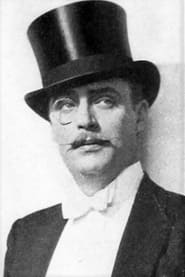
Films
4 films

About Freeman Wood
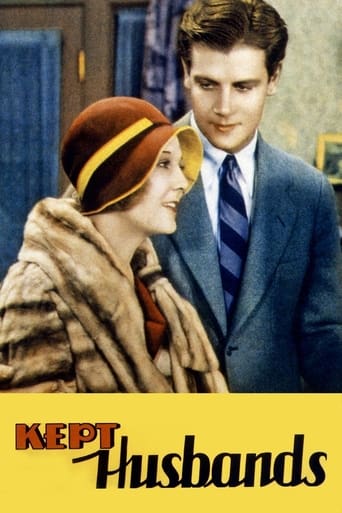
American character actor who worked during the transition from silent films to early sound cinema in the 1920s and early 1930s. His approximately a decade, during which he appeared in supporting roles alongside some of the era's notable performers. Wood began his film career in the silent era, landing a role in Buster Keaton's comedy short 'The Frozen North' in 1922. He continued working throughout the 1920s, appearing in dramatic films such as 'The Price She Paid' in 1924. As the industry transitioned to sound, Wood successfully made the leap to talkies, appearing in 'Kept Husbands' in 1931. Like many character actors of his era, he specialized in portraying specific types that supported the leading players rather than carrying films himself. His filmography, while not extensive, demonstrates the versatility required of actors working during this transformative period in Hollywood history.
The Craft
Milestones
- Appeared in Buster Keaton's 'The Frozen North' (1922)
- Transitioned successfully from silent films to talkies
- Worked throughout the pivotal transition period of Hollywood cinema
Best Known For
Must-See Films
Working Relationships
Worked Often With
Why They Matter
Impact on Culture
Freeman Wood represents the thousands of working actors who formed the backbone of Hollywood's studio system during its formative years. While not a star, his contributions to films like 'The Frozen North' helped create the character performances that defined classic cinema. His ability to transition from silent films to talkies demonstrated the adaptability required of actors during this revolutionary period in film history. Wood's career exemplifies the journey of many character actors whose work, while not celebrated in star biographies, was essential to the success of the films they appeared in.
Lasting Legacy
Freeman Wood's legacy lies in his representation of the working actor during Hollywood's golden age of transition. His appearances in films that have survived to this day ensure that his contribution to cinema, however small, is preserved. The fact that he worked with comedy legend Buster Keaton places him within the orbit of one of cinema's most innovative periods. While his name may not be widely recognized, his work survives as part of the historical record of American filmmaking during its most transformative decade.
Who They Inspired
As a supporting actor rather than a star, Freeman Wood's direct influence on other performers is difficult to trace. However, like many character actors of his era, he contributed to the professional standards and techniques that would be passed down through generations of Hollywood performers. His successful transition from silent to sound films served as an example of adaptability that many actors would need to emulate during this period of technological change in cinema.
Off Screen
Very little is documented about Freeman Wood's personal life, which is common for supporting actors from the silent era who never achieved star status. Like many character actors of his time, his life story remains largely unrecorded in film history archives.
Did You Know?
- Appeared in a Buster Keaton comedy, working with one of silent cinema's greatest comedians
- His active years covered the crucial transition period from silent films to talkies
- Like many character actors of his era, biographical details about his life are scarce
- His filmography, while brief, covers nearly a decade of cinema history
- Worked during the establishment of the Hollywood studio system
- His films have survived to be studied and appreciated by modern film historians
- Represented the typical career trajectory of supporting actors in early Hollywood
Frequently Asked Questions
Who was Freeman Wood?
American character with credits in this catalog. He is best known for his appearances in 'The Frozen North' (1922), 'The Price She Paid' (1924), and 'Kept Husbands' (1931).
What films is Freeman Wood best known for?
Titles linked here include The Frozen North (1922), The Price She Paid (1924).
When was Freeman Wood born and when did he die?
Unfortunately, specific birth and death dates for Freeman Wood are not documented in available historical records, which is common for many supporting actors from the silent era who never achieved major stardom.
What awards did Freeman Wood win?
There are no recorded awards or nominations for Freeman Wood, which was typical for character actors of his era who worked in supporting rather than leading roles.
What was Freeman Wood's acting style?
While specific details about Freeman Wood's acting style are not extensively documented, his ability to work in both silent films and talkies suggests he was adaptable and versatile, qualities essential for actors working during this transitional period in cinema.