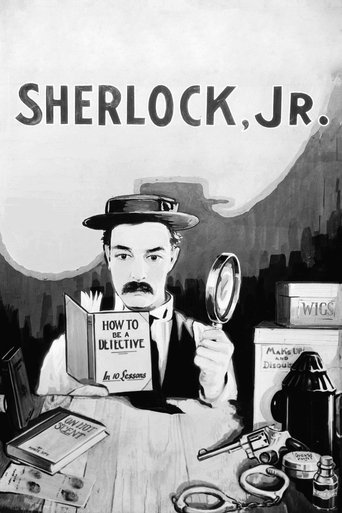
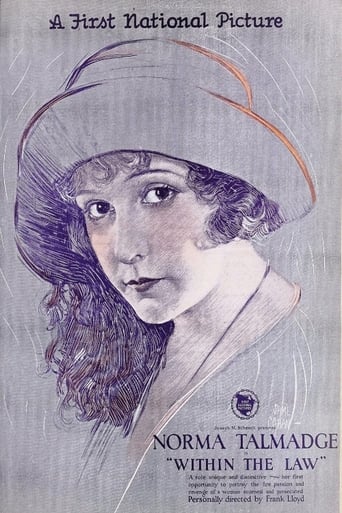
Films
2 films
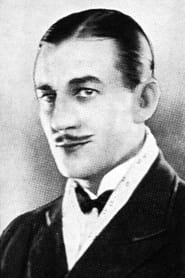
About Ward Crane
American silent-film actor best remembered today for a small but memorable body of work in the early 1920s, especially his appearances in Within the Law (1923) and Buster Keaton's Sherlock Jr. (1924). He emerged during the late silent era, when film acting was shifting from broad theatrical gesture toward a more restrained camera-aware style, and he fit comfortably into the period's demand for polished, presentable leading men and refined supporting players. Crane's screen career appears to have been brief, and surviving documentation suggests that he was one of many capable performers whose work was more visible on screen than in the historical record. His most notable surviving exposure comes from Sherlock Jr., where he is preserved in one of silent comedy's most famous films, giving him a lasting if limited place in film history. Like many actors of his era, he did not transition into a highly documented talking-picture career, and his later life is not well recorded in standard film references. Because of that, he is chiefly remembered by historians and silent-film enthusiasts through the films themselves rather than through a large public persona. His filmography reflects the fluid, often under-documented careers of supporting actors in the silent era, many of whom contributed significantly to studio productions without becoming major stars.
The Craft
On Screen
Specific contemporaneous reviews of Ward Crane's technique are scarce, but his surviving roles suggest the controlled, photogenic style favored by late silent cinema. He appears to have worked effectively within the era's balance of expressive gesture and restrained realism, adapting to both dramatic material and comic set-pieces. In films like Sherlock Jr., supporting performers had to play clearly and efficiently so the audience could follow visual storytelling without dialogue, and Crane's screen presence fits that functional silent-film mold.
Milestones
- Appeared in the courtroom drama Within the Law (1923), one of the period's prominent silent features.
- Played a role in Buster Keaton's Sherlock Jr. (1924), ensuring his presence in one of silent comedy's enduring classics.
- Worked during the final flourishing years of silent cinema, when many actors built short but important screen careers.
- Represents the class of supporting silent-era performers whose work survives through canonical films even when their biographies are obscure.
Best Known For
Iconic Roles
Must-See Films
Why They Matter
Impact on Culture
Ward Crane's cultural impact lies less in celebrity than in preservation: he is part of the cast of films that remain central to the study of silent cinema. His appearance in Sherlock Jr. Gives him an indirect but real role in film history, since that film is regularly screened, restored, and discussed as one of Buster Keaton's masterpieces. Performers like Crane helped define the polished ensemble look of silent features, where even brief roles contributed to story clarity, social atmosphere, and visual rhythm. His name survives because classic film scholarship and repertory exhibition continue to value the complete cast lists of landmark films.
Lasting Legacy
Ward Crane's legacy is that of a surviving credit in the silent-era canon rather than that of a widely documented star. He stands as an example of the many actors whose careers were short, lightly recorded, and then largely eclipsed by the loss of industry paperwork and the passage of time. Nevertheless, his work endures through preserved films, especially Sherlock Jr., which keeps his performance visible to modern audiences. For historians, he is part of the broader mosaic of silent-era talent that made studio filmmaking possible and memorable.
Who They Inspired
There is no strong evidence that Ward Crane directly influenced later actors or filmmakers in a documented, named way. His importance is more indirect: he contributed to the ensemble tradition of silent cinema, where supporting players had to communicate character quickly and effectively without dialogue. By participating in films that remain highly influential, he became part of the performance lineage studied by actors and historians interested in silent screen technique. His work is a reminder of how many competent performers shaped early Hollywood's visual language even if they never became household names.
Off Screen
Very little verified information is readily available about Ward Crane's personal life. Standard classic-cinema references do not consistently document his family background, marriages, children, or later career, which is common for lesser-known silent-era supporting actors. As a result, much of his off-screen life remains obscure in the historical record. No reliable, widely cited accounts of a public persona, memoir, or major scandal are associated with him.
Did You Know?
- He is best remembered today primarily because of his credit in Sherlock Jr. (1924),.
- His active screen career, at least as currently documented, appears to have been very short, spanning only 1923-1924.
- He is one of many silent-era actors whose surviving reputation depends on film preservation rather than extensive biographical records.
- Within the Law (1923) and Sherlock Jr. (1924) place him in both drama and comedy within the span of a single brief career.
- His obscurity is typical of numerous supporting performers from the silent era whose names appear in credits but whose personal details were not widely archived.
- Because of the incomplete state of early film recordkeeping, his birth and death information are not consistently documented in widely available sources.
Frequently Asked Questions
Who was Ward Crane?
American silent-film with credits in this catalog. He is best remembered for appearing in Within the Law (1923) and Buster Keaton's Sherlock Jr. (1924).
What films is Ward Crane best known for?
Titles linked here include Within the Law (1923), Sherlock Jr. (1924).
When was Ward Crane born and when did he die?
Reliable public records commonly available in film references do not clearly document Ward Crane's birth and death dates. His exact birth place and death details are also not widely established in standard sources.
What awards did Ward Crane win?
No awards or nominations are currently documented for Ward Crane in the standard classic-cinema record. Silent-era supporting actors were often not recognized with formal industry awards during that period.
What was Ward Crane's acting style?
His surviving work suggests the concise, camera-conscious style typical of late silent-film performers. He likely balanced expressive gesture with controlled screen realism, allowing him to function effectively in both dramatic and comic material.
What is Ward Crane's legacy in film history?
Ward Crane's legacy comes from his participation in preserved silent films, especially Sherlock Jr., which keeps his work visible to modern audiences. He represents the many capable supporting players who helped shape silent cinema even if their personal histories were not extensively recorded.