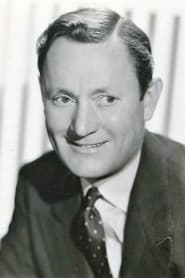
Roscoe Karns
Actor
Born: September 7, 1891 in San Bernardino, California, USA Died: February 6, 1970 Active: 1915-1964
Films
6 films
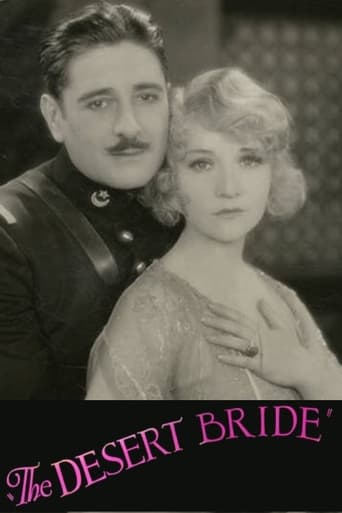
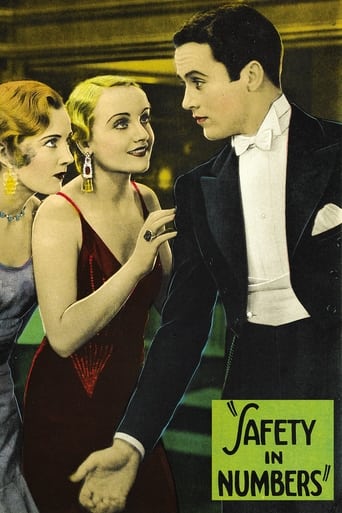
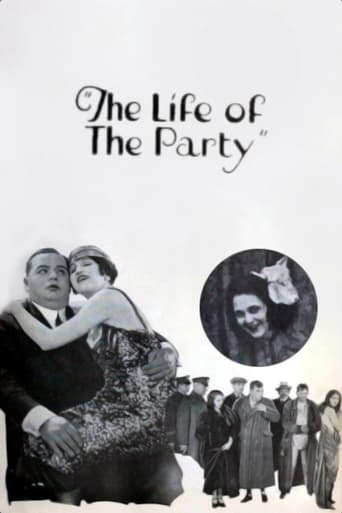
About Roscoe Karns
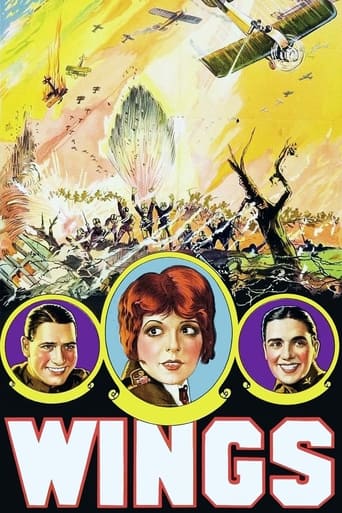
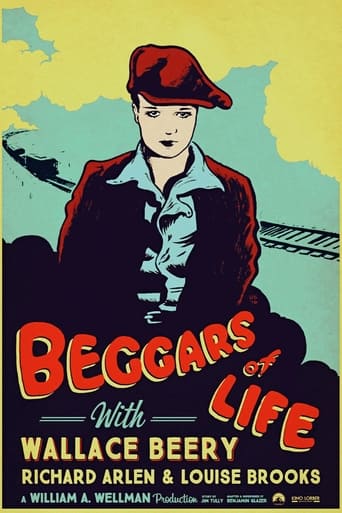
Prolific American character actor: nearly five decades, from the silent era through the Golden Age of Hollywood and into television. Born in San Bernardino, California, he began his film career in the mid-1910s, quickly establishing himself as a reliable supporting player with his distinctive bald appearance and expressive features. Karns found particular success in the late 1920s with memorable roles in landmark films like 'Wings' (1927), the first film to win the Academy Award for Best Picture, and 'Beggars of Life' (1928) alongside Louise Brooks. He made a seamless transition to talkies, utilizing his distinctive voice and comedic timing to continue his success. Throughout the 1930s and 1940s, he appeared in numerous films for major studios, often playing fast-talking reporters, wisecracking sidekicks, or comic relief characters. In the 1950s, Karns successfully transitioned to television, starring in the series 'Rocky Jones, Space Ranger' (1954) and making numerous guest appearances on popular shows. His career concluded in the early 1960s, leaving behind a legacy of over 150 film and television appearances.
The Craft
On Screen
Karns was known for his energetic, fast-talking delivery and expressive facial features, particularly his distinctive bald head which became his trademark. He excelled at playing wisecracking sidekicks, cynical reporters, and comic relief characters with a natural comedic timing. His acting style was characterized by rapid-fire dialogue delivery and a slightly cynical but ultimately charming screen presence that made him a perfect supporting player in both dramatic and comedic films.
Milestones
- Breakthrough role in 'Wings' (1927), first Best Picture Oscar winner
- Memorable performance in 'Beggars of Life' (1928) with Louise Brooks
- Successful transition from silent films to talkies
- Starred in TV series 'Rocky Jones, Space Ranger' (1954)
- Appeared in over 150 films and television productions
- Known for distinctive bald appearance and fast-talking characters
Best Known For
Iconic Roles
Must-See Films
Accolades
Special Recognition
- Hollywood Walk of Fame star (located at 6629 Hollywood Boulevard)
Working Relationships
Worked Often With
Studios
Why They Matter
Impact on Culture
Roscoe Karns represents the quintessential character actor of Hollywood's Golden Age, embodying the unsung heroes who populated hundreds of films and provided essential support to leading stars. His role in 'Wings' placed him in cinema history as part of the first Best Picture winner, while his work in 'Beggars of Life' contributed to. Karns exemplified the journeyman actor who successfully navigated the transition from silent films to talkies and later to television, demonstrating remarkable adaptability across changing media landscapes.
Lasting Legacy
Roscoe Karns' legacy lies in his contribution to over five decades of American entertainment history. As a character actor, he helped define the archetype of the fast-talking, cynical but ultimately good-hearted supporting character that became a staple of Hollywood films. His successful transition to television in the 1950s, particularly with 'Rocky Jones, Space Ranger,' made him one of the early pioneers of science fiction television. His son Todd Karns continued the family acting tradition, creating a multi-generational Hollywood legacy. Karns remains a beloved figure among classic film enthusiasts who appreciate the essential contributions of character actors to the Golden Age of Hollywood.
Who They Inspired
While not a major star who influenced acting techniques or methods, Roscoe Karns influenced subsequent generations of character actors through his example of professionalism, versatility, and longevity in the entertainment industry. His ability to adapt to changing technologies and media formats—from silent films to talkies to television—served as a model for other supporting players seeking to sustain long careers. His distinctive look and style helped establish certain character archetypes that would be emulated by other actors in similar roles throughout Hollywood history.
Off Screen
Roscoe Karns was married twice during his lifetime. He married his first wife, Mary, with whom he had two children, including son Todd Karns who also became an actor. After Mary's death, he later married Frances. Karns was known in Hollywood as a reliable professional who maintained steady employment throughout his long career, despite never achieving leading man status. He was respected by his colleagues for his consistency and professionalism on set.
Education
Limited formal education, entered film industry at a young age
Family
- Mary (deceased)
- Frances (later marriage)
Did You Know?
- Despite being born in 1891, he was still active in television in the 1950s, making him one of the few actors to work in three different eras of entertainment
- His son Todd Karns played Harry Bailey in 'It's a Wonderful Life' (1946)
- He appeared in the first film to win Best Picture at the Academy Awards ('Wings')
- Karns was often typecast as fast-talking reporters or wisecracking sidekicks due to his distinctive voice and delivery
- His bald head became his trademark and was often used for comic effect in his films
- He worked with virtually every major Hollywood studio during his career
- Karns successfully made the transition from silent films to talkies, a challenge that ended many careers
- His role in 'Rocky Jones, Space Ranger' made him one of the early stars of American science fiction television
- Despite appearing in over 150 films, he was rarely the leading man but always in demand as a supporting player
- He maintained a steady career through the Great Depression when many actors struggled to find work
In Their Own Words
(As a character actor, he was known for his lines within roles rather than personal quotes)
Frequently Asked Questions
Who was Roscoe Karns?
Prolific American character with credits in this catalog. Known for his distinctive bald appearance and fast-talking delivery, he appeared in over 150 films and television productions, often playing wisecracking sidekicks and supporting characters.
What films is Roscoe Karns best known for?
Titles linked here include Wings (1927), Beggars of Life (1928).
When was Roscoe Karns born and when did he die?
Born September 7, 1891; died February 6, 1970.
What awards did Roscoe Karns win?
While Roscoe Karns did not receive major acting awards or Oscar nominations, he was honored with a star on the Hollywood Walk of Fame at 6629 Hollywood Boulevard in recognition of his contributions to the entertainment industry.
What was Roscoe Karns' acting style?
Karns was known for his energetic, fast-talking delivery and expressive comedic timing. He specialized in playing cynical reporters, wisecracking sidekicks, and comic relief characters, using his distinctive bald appearance and rapid-fire dialogue to create memorable supporting performances.
Did Roscoe Karns have any children in the entertainment industry?
Yes, his son Todd Karns followed in his footsteps and became an actor. Todd Karns is best known for playing Harry Bailey, George Bailey's brother, in the classic film 'It's a Wonderful Life' (1946).
How did Roscoe Karns transition from silent films to talkies?
Karns successfully made the transition from silent films to talkies in the late 1920s, utilizing his distinctive voice and fast-talking delivery to his advantage. Unlike many silent film stars whose careers ended with the advent of sound, Karns actually found greater success in the sound era.