
Blue Washington
Actor
Born: February 12, 1898 in Los Angeles, California, USA Died: September 15, 1970 Active: 1928-1929 Birth Name: Edgar Hughes Washington
Films
3 films
About Blue Washington
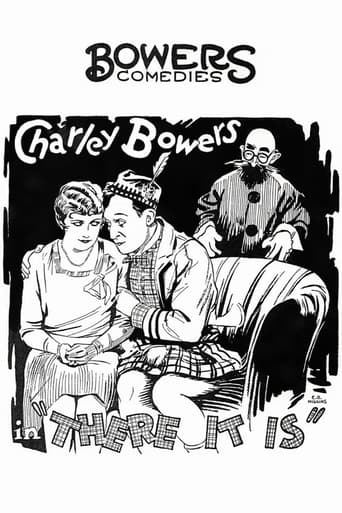
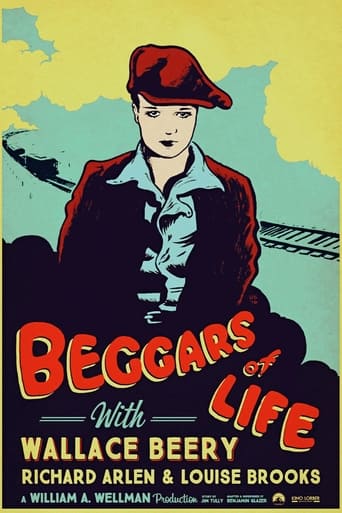
Blue Washington, born Edgar Hughes Washington, was an African American actor who worked primarily during the silent film era of the late 1920s. He began his film career at a time when opportunities for Black performers were extremely limited and often relegated to stereotypical roles. Washington appeared in several notable silent films, including the critically acclaimed 'Beggars of Life' (1928) starring Wallace Beery and Louise Brooks, where he played a supporting role. His filmography, though brief, also includes appearances in 'There It Is' (1928) and other productions of the period. Like many African American actors of his time, Washington faced significant barriers in Hollywood and was often confined to servant roles or other limiting characterizations. Despite these challenges, he managed to secure work during a transitional period in cinema history as silent films gave way to talkies. His career appears to have been short-lived, with most of his documented work concentrated in the 1928-1929 period, reflecting both the limited opportunities available and the changing landscape of the film industry.
The Craft
On Screen
Washington's acting style was typical of silent film performers, relying heavily on physical expression and facial gestures to convey emotion. As was common for African American actors of his era, he was often cast in stereotypical supporting roles that limited his ability to showcase range. His performances, while constrained by the limitations of the period, demonstrated the professionalism required to succeed in the demanding medium of silent cinema.
Milestones
- Appeared in 'Beggars of Life' (1928) directed by William A. Wellman
- Worked during the transition from silent films to talkies
- Part of the small group of African American actors working in mainstream Hollywood during the silent era
Best Known For
Iconic Roles
Must-See Films
Accolades
Special Recognition
- Recognized as one of the early African American actors in mainstream Hollywood cinema
Working Relationships
Worked Often With
Studios
Why They Matter
Impact on Culture
Blue Washington's career, though brief, represents an important chapter in the history of African American representation in Hollywood. As one of the relatively few Black actors working in mainstream silent films, he was part of a generation that broke barriers in an industry that was largely closed to performers of color. His appearance in 'Beggars of Life,' a significant film of the silent era, placed him within the context of major Hollywood productions, even if his role was supporting. The very fact of his employment in these films during the 1920s demonstrates the gradual, though limited, inclusion of African American talent in mainstream cinema. His career reflects both the progress and the persistent limitations faced by Black performers during this foundational period of American film history.
Lasting Legacy
Blue Washington's legacy lies in his contribution to the early representation of African Americans in Hollywood cinema. While not a major star, his work in silent films like 'Beggars of Life' helps document the presence of Black actors in mainstream productions during the silent era. His career serves as a reminder of the challenges faced by performers of color in early Hollywood and the limited but important inroads they made. Washington represents the countless actors of color who worked within the constraints of their time, contributing to the American film history even when denied the recognition and opportunities afforded to their white counterparts.
Who They Inspired
As an actor from the early days of Hollywood, Blue Washington's direct influence on subsequent generations is difficult to trace due to limited documentation of his career and the marginalization of African American performers in historical records. However, his work, along with that of other Black actors from the silent era, helped pave the way for future generations by maintaining a presence in Hollywood during its formative years. The perseverance of actors like Washington in the face of systemic discrimination created a foundation upon which later African American performers could build more substantial careers.
Off Screen
Blue Washington was born and raised in Los Angeles, California, during a time of significant racial segregation in the United States. He came of age in the burgeoning film capital of the world, where opportunities for African American performers were severely limited. Details about his personal life remain scarce, reflecting the limited documentation available for many actors of color from this period. His life spanned from the late 19th century through the civil rights era, witnessing tremendous changes in both American society and the film industry.
Education
Educational background not documented in available sources
Family
- Unknown - documentation not available
Did You Know?
- His stage name 'Blue' may have been a nickname or chosen to distinguish him from other performers
- He appeared in 'Beggars of Life' (1928), which is now considered a classic of American silent cinema
- The film 'Beggars of Life' was notable for its location shooting and realistic portrayal of hobos
- Washington worked during the crucial transition period when silent films were giving way to sound pictures
- Like many African American actors of his era, he was often uncredited or minimally Blue Washington appeared in film listings
- His real name, Edgar Hughes Washington, reflects the common practice of actors adopting stage names for their careers
- He was part of Hollywood during the same period as other African American performers like Nina Mae McKinney and Stepin Fetchit
- The year 1928, when he was most active, was one of the peak years of silent film production before the industry fully converted to sound
- His career coincided with the establishment of the Academy Awards and the formalization of the Hollywood studio system
In Their Own Words
No documented quotes are available from Blue Washington in historical records, reflecting the limited preservation of interviews and statements from supporting actors of color from the silent era
Frequently Asked Questions
Who was Blue Washington?
African American with credits in this catalog. He appeared in notable films like 'Beggars of Life' (1928) and was part of the small group of Black performers working in mainstream Hollywood during this period.
What films is Blue Washington best known for?
Titles linked here include Beggars of Life (1928), There It Is (1928).
When was Blue Washington born and when did he die?
Born February 12, 1898; died September 15, 1970.
What awards did Blue Washington win?
There are no documented awards or nominations for Blue Washington, which was common for supporting actors of color during the silent era when recognition opportunities were extremely limited.
What was Blue Washington's acting style?
Washington's acting style was typical of silent film performers, emphasizing physical expression and facial gestures. Like many African American actors of his time, he was often cast in stereotypical roles that limited his ability to demonstrate range.
Why is Blue Washington significant in film history?
Blue Washington is significant as one of the early African American actors who worked in mainstream Hollywood during the silent era. His career, though brief, represents the gradual inclusion of Black talent in American cinema during a period of significant racial barriers.