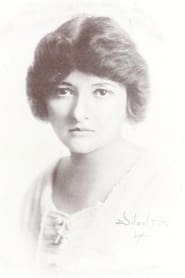
Vera Sisson
Actor
Born: July 31, 1891 in Salt Lake City, Utah, United States Died: August 6, 1946 Active: 1913-1926
Films
2 films
About Vera Sisson
American actress who flourished during the silent film era, making her mark in Hollywood from the early 1910s through the mid-1920s. Born in Salt Lake City, Utah, she began her film career around 1913 and quickly established herself as a reliable supporting actress in numerous productions. Her the transitional period of American cinema, appearing in both short films and feature-length productions as the industry evolved. Sisson worked with several prominent studios of the era, including Universal and Fox Film Corporation, appearing alongside many of the silent period's notable stars. She demonstrated particular versatility in melodramas and comedies, adapting her performance style to suit the evolving tastes of movie audiences. By the mid-1920s, as the film industry transitioned to sound, her career began to wane, with her final confirmed film appearance being in 1926. Despite her relatively short career span, she amassed an impressive filmography of over 50 credited appearances, contributing significantly to the silent film landscape.
The Craft
On Screen
Vera Sisson was known for her naturalistic acting style that helped bridge the gap between the exaggerated pantomime of early silent films and the more subtle performances that would become standard in the late silent era. She possessed a remarkable ability to convey emotion through facial expressions and body language, essential skills for silent film actors. Her performances often featured a delicate balance between dramatic intensity and comedic timing, making her particularly effective in melodramas and light comedies. Sisson's screen presence was characterized by her expressive eyes and graceful movements, which allowed her to communicate complex emotions without dialogue. Contemporary reviews noted her ability to adapt her performance style to suit various genres, from serious dramatic roles to lighthearted romantic comedies.
Milestones
- Film debut in 1913 with Universal Studios
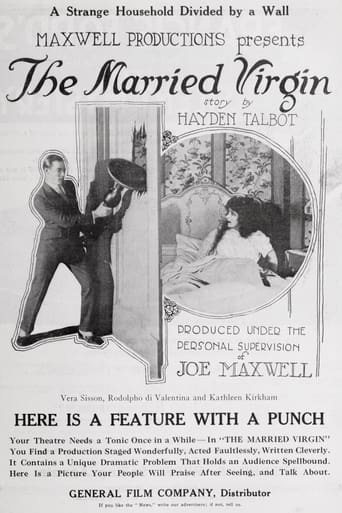
- Starring role in 'The Married Virgin' (1918)
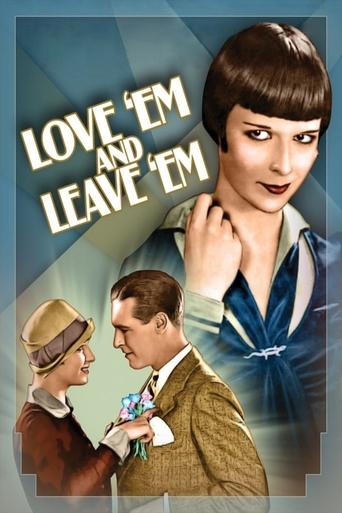
- Supporting role in the successful comedy 'Love 'Em and Leave 'Em' (1926)
- Over 50 film appearances during her 13-year career
- Work with prominent directors of the silent era
Best Known For
Iconic Roles
Must-See Films
Working Relationships
Worked Often With
Studios
Why They Matter
Impact on Culture
Vera Sisson's career represents the typical trajectory of many talented actresses who flourished during Hollywood's silent era but struggled to transition to sound films. Her work in films like 'The Married Virgin' and 'Love 'Em and Leave 'Em' exemplifies the evolving narrative styles and production values of American cinema during the 1910s and 1920s. As a supporting actress who appeared in numerous productions, she contributed to the development of ensemble acting techniques that would become standard in Hollywood cinema. Her performances helped establish conventions for female character archetypes in silent melodramas and comedies, influencing how subsequent generations of actresses would approach similar roles. Though not a major star, her consistent presence in films of the era made her part of the foundation upon which Hollywood's Golden Age was built.
Lasting Legacy
Vera Sisson's legacy lies in her contribution to the American silent cinema, where she served as both a leading lady and supporting player in numerous productions. Her filmography provides valuable insight into the types of roles available to women in Hollywood during the transitional period from short films to feature-length productions. While her name may not be as recognizable as some of her contemporaries who successfully transitioned to sound, her work survives as part of the historical record of early American cinema. Film historians and silent cinema enthusiasts continue to study her performances as examples of the acting styles and techniques that defined the era. Her story also illustrates the challenges faced by many silent film actors whose careers ended with the advent of sound technology, making her representative of an entire generation of performers who shaped early Hollywood.
Who They Inspired
While Vera Sisson did not achieve the level of stardom that would have made her a direct influence on subsequent generations of actors, her work contributed to the collective development of screen acting techniques during the silent era. Her ability to convey complex emotions without dialogue helped establish standards for non-verbal performance that would influence acting in both silent and sound films. The naturalistic quality of her performances, noted in contemporary reviews, represented a move away from the theatrical acting style that characterized early cinema toward the more subtle approach that would become standard in later years. Her career trajectory also serves as an example for film scholars studying the impact of technological changes on performers' careers in the film industry.
Off Screen
Vera Sisson maintained a relatively private personal life throughout her career, which was not uncommon for actors of her era. She married actor and director Harry A. Pollard in 1915, with whom she occasionally collaborated professionally. Their marriage lasted until Pollard's death in 1934. The couple had no children together. Following her retirement from films, Sisson largely withdrew from public life and focused on her family and personal interests. She spent her later years in Los Angeles, where she remained connected to the film community through various social circles. Her death in 1946 at age 55 was noted in trade publications, which recognized her contributions to silent cinema.
Family
- Harry A. Pollard (1915-1934)
Did You Know?
- Vera Sisson appeared in over 50 films during her 13-year career, though many of these are now considered lost
- She was one of the few actresses who successfully transitioned from short films to feature-length productions during the 1910s
- Her husband, Harry A. Pollard, was a prominent director who directed the 1926 version of 'Uncle Tom's Cabin'
- The Married Virgin (1918) was one of her few leading roles and has survived as a notable example of late silent era melodrama
- She worked with both major studios and smaller production companies, demonstrating her versatility as an actress
- Sisson was part of the first generation of actors who spent their entire careers in the motion picture industry
- Her final film, 'Love 'Em and Leave 'Em' (1926), was a successful comedy that has been preserved by film archives
- She retired from acting before the full transition to sound films, avoiding the career difficulties many of her contemporaries faced
- Despite her prolific career, relatively few personal details about her life have survived in the historical record
Frequently Asked Questions
Who was Vera Sisson?
American actress who worked during the silent film era from 1913 to 1926, appearing in over 50 films including notable productions like 'The Married Virgin' and 'Love 'Em and Leave 'Em'.
What films is Vera Sisson best known for?
Titles linked here include The Married Virgin (1918), Love 'Em and Leave 'Em (1926).
When was Vera Sisson born and when did she die?
Born July 31, 1891; died August 6, 1946.
What awards did Vera Sisson win?
Vera Sisson did not receive any major formal awards during her career, which was common for many supporting actors in the silent film era before the establishment of major award ceremonies.
What was Vera Sisson's acting style?
Sisson was known for her naturalistic acting style that bridged early silent film pantomime and more subtle performances, with particular skill in conveying emotion through facial expressions and body language.
Did Vera Sisson appear in sound films?
No, Vera Sisson's career ended in 1926 with 'Love 'Em and Leave 'Em,' before the full transition to sound films in Hollywood, making her exclusively a silent film actress.
Was Vera Sisson married?
Yes, she was married to actor and director Harry A. Pollard from 1915 until his death in 1934, and they occasionally collaborated professionally.
Why did Vera Sisson's career end?
Her career ended around 1926, likely due to the industry's transition to sound films and the changing demands on actors, a common fate for many silent era performers.