
Evelyn Brent
Actor
Born: October 31, 1895 in Tampa, Florida, USA Died: June 4, 1975 Active: 1914-1950s Birth Name: Mary Elizabeth Riggs
Films
11 films
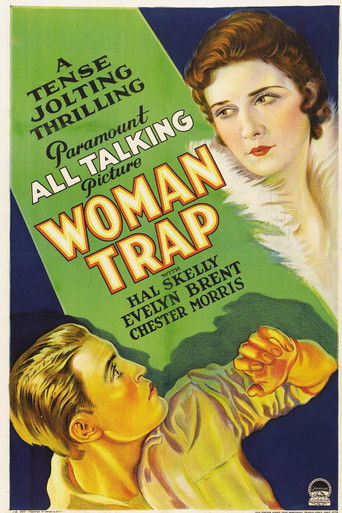
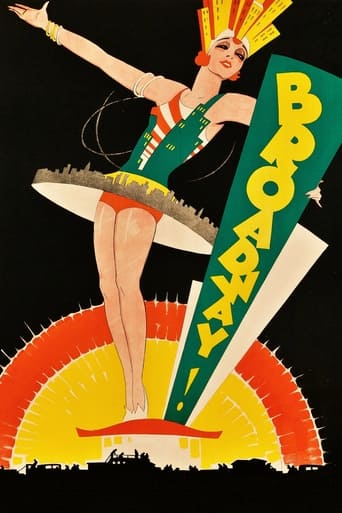
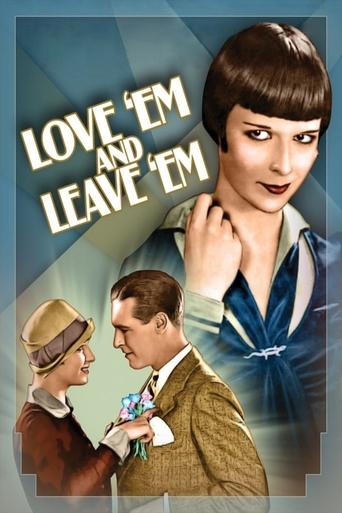
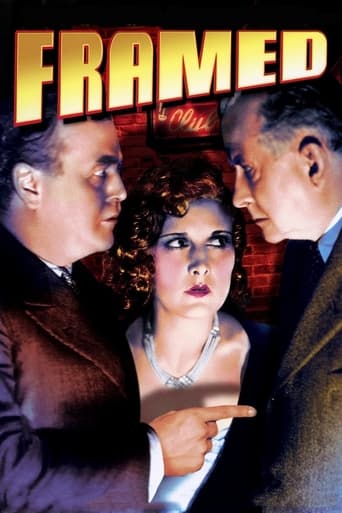
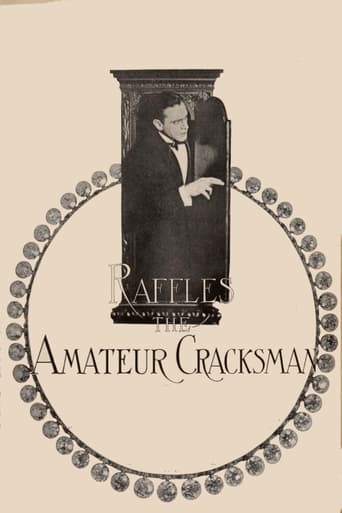
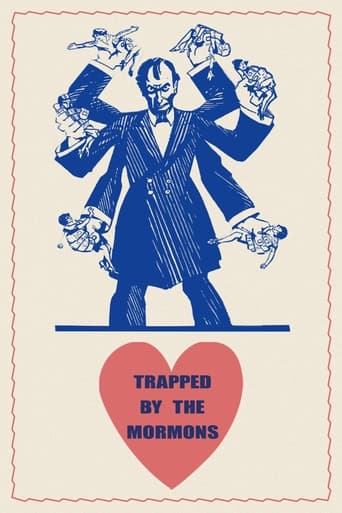
About Evelyn Brent
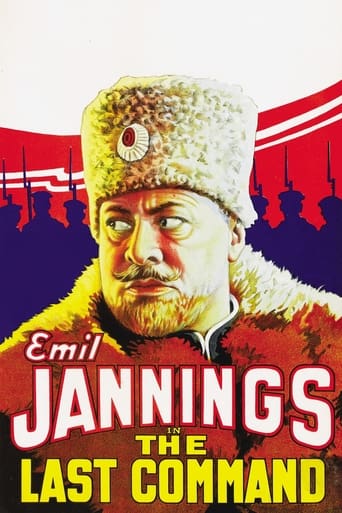
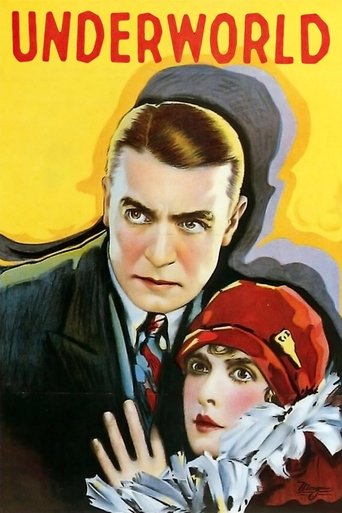
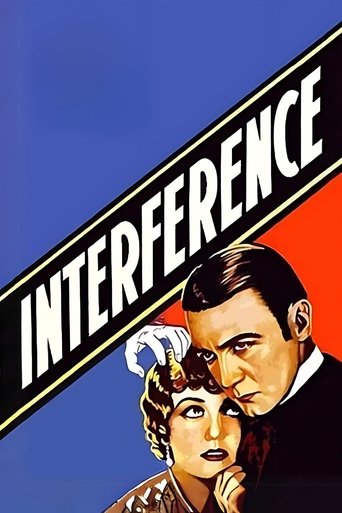
American film actress: striking beauty, cool demeanor, and sharp dramatic intensity made her one of the memorable femmes fatales of the silent era and the earliest years of sound. Born Mary Elizabeth Riggs in Tampa, Florida, she began in show business as a model and stage performer before moving into films in the mid-1910s, eventually establishing herself in Hollywood with a series of supporting roles that played to her sophisticated screen image. Her breakthrough came with Josef von Sternberg's Underworld (1927), where she delivered one of the great noir-leaning performances of the silent period as the alluring and dangerous Feathers McCoy. She continued to work prominently in prestige productions such as The Last Command (1928) and Interference (1928), and she remained active as Hollywood transitioned to sound, though like many silent stars her career gradually shifted into smaller parts. Brent later continued acting into the 1940s and beyond in character roles and occasional television appearances, building a long career that extended well past the silent era. She is remembered today as one of the definitive sophisticated bad girls of late silent cinema, with a screen persona that helped define the template for the modern femme fatale. She died in Los Angeles in 1975 after a career spanning more than half a century.
The Craft
On Screen
Brent's acting style was marked by controlled poise, expressive eyes, and a sleek, enigmatic presence that suited sophisticated or morally ambiguous roles. In silent films she relied on precise gesture, facial expression, and body language rather than broad melodrama, giving her performances a polished, modern quality. She often projected wit, sexual confidence, and emotional reserve, which made her especially effective in roles requiring an alluring but dangerous woman. In sound films, she adapted to dialogue-driven character parts while retaining the cool screen authority that had made her famous.
Milestones
- Rose from modeling and stage work to become a recognizable film presence during the silent era
- Broke through as a major screen personality in Underworld (1927), one of the landmark gangster films of the silent period
- Worked with notable directors including Josef von Sternberg and Erich von Stroheim in prestige productions
- Successfully navigated the transition from silent films to sound-era character work
- Built a long career that extended into later decades through supporting film and television appearances
- Became closely associated with glamorous, worldly, and hard-edged female characters
Best Known For
Iconic Roles
Must-See Films
Working Relationships
Worked Often With
Studios
Why They Matter
Impact on Culture
Evelyn Brent helped shape. Her best-known work, especially Underworld, contributed to the evolution of the gangster film and the visual language of the femme fatale, a figure that would later become central to film noir. Brent's performances are notable for their modernity; she appeared less like a Victorian-era ingenue and more like a transitional figure between silent glamour and the harder-edged women of the sound era. For contemporary audiences and historians, she stands as an important bridge between silent film sophistication and the emerging attitudes of pre-Code Hollywood.
Lasting Legacy
Brent's legacy lies in her status as one of the defining supporting and featured actresses of the silent era, especially in films that emphasized urban sophistication, danger, and sexual tension. While she was not always a top-billed megastar in the manner of some contemporaries, her best roles have preserved her reputation as a memorable screen presence whose style fit the changing mood of late 1920s cinema. She remains especially significant to film historians for her performance in Underworld, which is frequently cited as an early gangster classic and a precursor to later crime dramas. Her long career also demonstrates the adaptability required of silent-era performers who survived into sound cinema, even if in diminished form. Today she is valued by classic-film enthusiasts for her elegance, sharp characterization, and contribution to the era's visual and dramatic vocabulary.
Who They Inspired
Brent influenced later depictions of the sophisticated, dangerous woman in crime dramas and romantic melodramas, helping establish a screen type that would become central to noir and pre-Code cinema. Her restrained, contemporary performance style contrasted with more theatrical silent-era acting and anticipated the cooler naturalism that would become more common in later film acting. Modern viewers and performers interested in silent cinema often cite her as an example of how strong personality and expressive control could create a powerful screen image without excessive movement. Her work in Underworld in particular helped set a template for the elegant gangster's moll or femme fatale who is intelligent, stylish, and emotionally elusive.
Off Screen
Evelyn Brent was known to have a life that included multiple marriages and the challenges common to many Hollywood performers whose careers began in the silent era. She was born Mary Elizabeth Riggs and later adopted the stage name Evelyn Brent for her screen career. Her personal life is less documented in popular memory than her screen image, but she spent many years working in the film industry and later lived quietly after her peak fame. She did not leave behind the kind of extensive public record associated with some of her contemporaries, and much of what is remembered today centers on her professional achievements and distinctive persona.
Education
Specific formal educational details are not widely documented in standard classic-cinema references; she appears to have entered professional performance work early through modeling, stage activity, and film work rather than through a prominently recorded academic background.
Family
- Unknown from the provided sources
Did You Know?
- She was born Mary Elizabeth Riggs before adopting the stage name Evelyn Brent.
- Her performance in Underworld (1927) is widely regarded as one of the standout female roles of late silent cinema.
- She was especially effective in sophisticated, worldly, and dangerous women roles rather than conventional ingénue parts.
- Brent worked steadily through the silent-to-sound transition, a period that ended many careers.
- She appeared in prestige films associated with major directors such as Josef von Sternberg and Erich von Stroheim.
- Her screen persona helped define an early version of the cinematic femme fatale.
- Although best remembered for late silent-era films, she remained active for decades afterward in smaller roles.
- She is one of the classic Hollywood actresses often rediscovered through gangster-film retrospectives and silent-film restorations.
Frequently Asked Questions
Who was Evelyn Brent?
American film actress best known for her work in silent cinema and the early sound era. She became especially famous for playing glamorous, self-possessed, and often dangerous women, most notably in Underworld (1927).
What films is Evelyn Brent best known for?
Titles linked here include Underworld (1927), The Last Command (1928).
When was Evelyn Brent born and when did she die?
Born October 31, 1895; died June 4, 1975.
What awards did Evelyn Brent win?
There are no major competitive awards widely associated with Evelyn Brent in standard film-reference sources. Her recognition comes primarily from her importance to silent cinema and her enduring reputation among classic-film historians.
What was Evelyn Brent's acting style?
Brent's style was cool, controlled, and modern, with expressive eyes and careful physical economy that worked especially well in silent films. She excelled at projecting sophistication, danger, and emotional distance, making her a natural fit for femme fatale and worldly supporting roles.
What is Evelyn Brent's legacy in film history?
Her legacy rests on her contribution to the silent-era femme fatale and to the gangster film tradition through Underworld. She remains an important figure for showing how silent-era performers could create vivid character work with restraint, elegance, and screen intelligence.