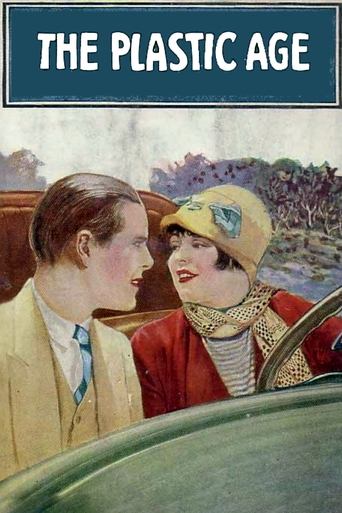
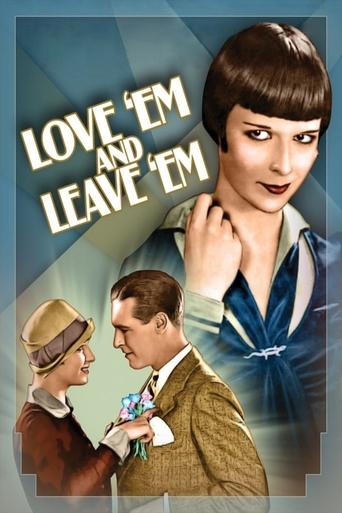
Films
2 films
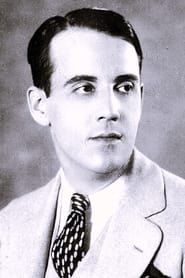
About Jack Egan
Silent film actor who had a brief but notable career during the mid-1920s, appearing in several significant productions of the era. His most recognized work came in 1925 with his role in 'The Plastic Age,' a popular collegiate drama that helped launch Clara Bow to stardom. The following year, he appeared in 'Love 'Em and Leave 'Em,' a comedy-drama starring Evelyn Brent and Louise Fazenda that showcased his ability to work in ensemble casts. Egan's acting style was typical of the period, utilizing exaggerated expressions and gestures to convey emotion in the absence of synchronized sound. Despite his appearances in commercially successful films, his career appears to have been limited to a brief two-year span, suggesting he may have been a contract player or bit actor rather than a leading man. Like many silent era actors whose careers were cut short by the transition to sound or other factors, detailed records of his life and career remain scarce. His contributions, while modest, represent the typical journey of countless supporting actors who populated Hollywood's golden age.
The Craft
On Screen
Typical silent era acting style with exaggerated expressions and gestures suitable for the medium
Milestones
- Appeared in 'The Plastic Age' (1925)
- Appeared in 'Love 'Em and Leave 'Em' (1926)
- Worked during the transition period of late silent era cinema
Best Known For
Iconic Roles
Must-See Films
Working Relationships
Worked Often With
Studios
Why They Matter
Impact on Culture
Jack Egan's cultural impact was minimal due to his brief career and supporting roles, but his participation in significant silent films like 'The Plastic Age' places him within the historical context of Hollywood's transitional period. His work contributes to our understanding of the ensemble casting practices of major studios during the mid-1920s, where contract players would populate numerous productions. As part of the cast of films that featured major stars of the era, he represents the supporting infrastructure that enabled the star system to function effectively during Hollywood's formative years.
Lasting Legacy
Jack Egan's legacy is primarily that of a typical supporting actor from the silent era, whose brief career exemplifies the journey of countless performers who populated Hollywood films during the 1920s. While he did not achieve lasting fame, his appearances in commercially successful and historically significant films ensure his place in film history databases and archives. His story serves as a reminder of the vast number of actors who contributed to cinema's development but whose names have faded from popular memory, preserved only through film credits and specialized research.
Who They Inspired
Given his brief career and supporting roles, Jack Egan's direct influence on other actors or directors appears to have been minimal. However, like all actors of his generation, he contributed to the development of screen acting techniques that would evolve and influence subsequent generations of performers.
Off Screen
Very limited information is available about Jack Egan's personal life, which is common for supporting actors from the silent era whose careers were brief and who did not achieve star status.
Did You Know?
- Appeared in 'The Plastic Age' the same year that Clara Bow became a major star
- His entire known filmography spans only two years
- Both of his known films were produced by major studios
- 'The Plastic Age' was
- Like many silent era actors, his career ended before the transition to sound films
- His films are now considered valuable examples of late silent era cinema
- Both of his known films survive and are accessible to modern audiences
Frequently Asked Questions
Who was Jack Egan?
Screen credits include supporting roles in notable films like 'The Plastic Age' (1925) and 'Love 'Em and Leave 'Em' (1926). His career was brief, spanning only about two years, which was typical for many contract players during Hollywood's studio era.
What films is Jack Egan best known for?
Titles linked here include The Plastic Age (1925), Love 'Em and Leave 'Em (1926).
When was Jack Egan born and when did he die?
Specific birth and death dates for Jack Egan are not readily available in historical records, which is common for supporting actors from the silent era who did not achieve star status. He was active as an actor between 1925 and 1926.
What awards did Jack Egan win?
There are no records of Jack Egan receiving any major awards or nominations for his work in film. This was typical for supporting actors during the silent era, particularly those with brief careers in ensemble casts.
What was Jack Egan's acting style?
Jack Egan's acting style was consistent with the silent era norms, featuring the exaggerated expressions and gestures necessary to convey emotion and story without synchronized dialogue. As a supporting actor, he likely adapted his performances to complement the leading actors and serve the narrative needs of each production.