
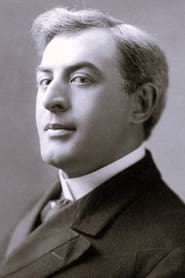
Fred Esmelton
Actor
Born: January 1, 1872 in Melbourne, Victoria, Australia Died: October 23, 1933 Active: 1915-1928 Birth Name: Frederick William Esmelton
Films
5 films
About Fred Esmelton
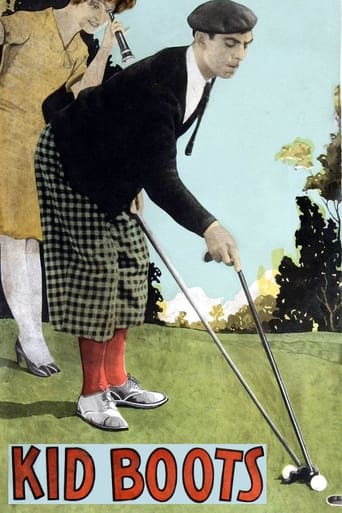
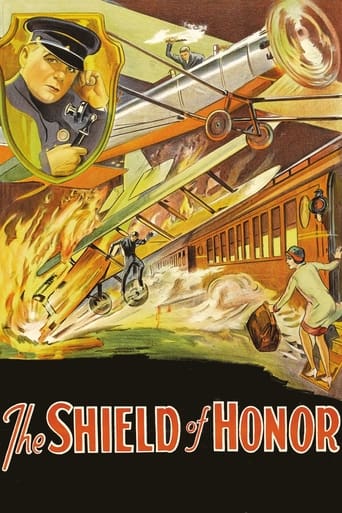
Australian-born character actor who found considerable success in American silent films during the 1910s and 1920s. Born in Melbourne, Australia, he began his acting career on the stage before transitioning to the burgeoning film industry. Esmelton emigrated to the United States and quickly established himself as a reliable supporting actor, often portraying authority figures, aristocrats, or stern paternal characters. His film career peaked in the mid-1920s when he appeared in numerous productions for major studios, including the comedy 'Kid Boots' (1926) starring Eddie Cantor, the drama 'The Shield of Honor' (1927), and the critically acclaimed 'Lonesome' (1928). Esmelton's commanding presence and distinctive features made him a recognizable face in silent cinema, though like many character actors of his era, he struggled with the transition to sound films. His career effectively ended with the advent of talkies, and he spent his final years away from the spotlight before passing away in 1933.
The Craft
On Screen
Esmelton was known for his dignified, authoritative presence on screen, often playing figures of authority such as judges, doctors, military officers, or wealthy patriarchs. His acting style was typical of the silent era, emphasizing expressive gestures and facial features to convey emotion and character. He possessed a commanding screen presence that made him ideal for roles requiring gravitas and respectability, often serving as a foil to more flamboyant leading characters.
Milestones
- Stage career in Australia before moving to films
- Transition to American silent cinema in the 1910s
- Prolific character actor throughout the 1920s
- Notable supporting roles in major silent productions
- Final appearance in 'Lonesome' (1928) during the transition to sound
Best Known For
Iconic Roles
Must-See Films
Working Relationships
Worked Often With
Studios
Why They Matter
Impact on Culture
Fred Esmelton represents the archetype of the silent era character actor who provided essential support to leading players while never achieving star status himself. His career illustrates the international nature of early Hollywood, where talent from across the globe, particularly from English-speaking countries like Australia, found opportunities in the American film industry. Esmelton's body of work, though not widely remembered today, contributed to the richness of silent cinema by providing the necessary depth and authenticity to period pieces and dramas that required believable authority figures and supporting characters.
Lasting Legacy
Fred Esmelton's legacy lies primarily in his contribution to the silent film era as a reliable and versatile character actor. While his name may not be widely recognized by modern audiences, his performances survive in numerous silent films that are preserved and studied by film historians and enthusiasts. His career trajectory also serves as an example of the many actors whose careers were effectively ended by the transition to sound films, highlighting the dramatic technological and artistic shifts that occurred in the late 1920s. Esmelton's work remains proof of the craft of silent film acting and the international character of early Hollywood.
Who They Inspired
As a character actor rather than a star, Fred Esmelton's direct influence on subsequent generations of performers was limited. However, his professional approach to character work and his ability to create memorable supporting roles exemplified the importance of ensemble casting in film production. His career demonstrates the value of specialized character actors in creating authentic cinematic worlds, a tradition that continued throughout Hollywood's Golden Age and remains essential in contemporary filmmaking. Esmelton's success as an Australian actor in Hollywood also helped pave the way for later performers from his country to find success in American cinema.
Off Screen
Fred Esmelton was born Frederick William Esmelton in Melbourne, Australia, where he began his career in theater before deciding to pursue opportunities in the growing American film industry. He emigrated to the United States in the early 1910s, leaving behind a successful stage career in his homeland. Esmelton was married to actress Claire Du Brey, with whom he sometimes appeared in films. The couple's marriage lasted until his death in 1933. Despite his relatively successful film career, Esmelton remained a private individual who rarely gave interviews or discussed his personal life in public.
Education
Educated in Melbourne, Australia; likely received formal training in dramatic arts through theater experience
Family
- Claire Du Brey (1922-1933)
Did You Know?
- Born in Melbourne, Australia, making him one of the early Australian actors to find success in Hollywood
- Began his career as a stage actor in Australia before transitioning to films
- Married to fellow actor Claire Du Brey, with whom he occasionally shared the screen
- Appeared in over 70 films during his career, though most were short subjects
- His career effectively ended with the transition to sound films in the late 1920s
- Often typecast as authority figures due to his dignified appearance and commanding presence
- Worked with major stars of the silent era including Eddie Cantor and Lon Chaney
- His final film appearance was in the critically acclaimed 'Lonesome' (1928)
- Died relatively young at age 61, just a few years after his film career ended
- Like many character actors of his era, he received fewer screen credits than his actual number of appearances would warrant
Frequently Asked Questions
Who was Fred Esmelton?
Australian-born character with credits in this catalog. He was known for playing authority figures and supporting roles in numerous films before his career ended with the transition to sound movies.
What films is Fred Esmelton best known for?
Titles linked here include Kid Boots (1926), The Shield of Honor (1927).
When was Fred Esmelton born and when did he die?
Born January 1, 1872; died October 23, 1933.
What awards did Fred Esmelton win?
Fred Esmelton did not receive any major awards or nominations during his career. Like many character actors of the silent era, his contributions went largely unrecognized by award institutions of his time.
What was Fred Esmelton's acting style?
Esmelton specialized in portraying dignified authority figures using typical silent era techniques of expressive gestures and facial features. He had a commanding screen presence that made him ideal for judges, doctors, and patriarchal roles.
Was Fred Esmelton married?
Yes, Fred Esmelton was married to actress Claire Du Brey from 1922 until his death in 1933. The couple occasionally appeared together in films.
Why did Fred Esmelton's career end?
Like many silent film actors, Esmelton's career effectively ended with the transition to sound films in the late 1920s. His last appearance was in 'Lonesome' (1928), and he did not make the successful transition to talking pictures.