Eddie Cantor
Actor
Born: January 31, 1892 in New York City, New York, USA Died: October 10, 1964 Active: 1907-1964 Birth Name: Edward Israel Iskowitz
Films
6 films

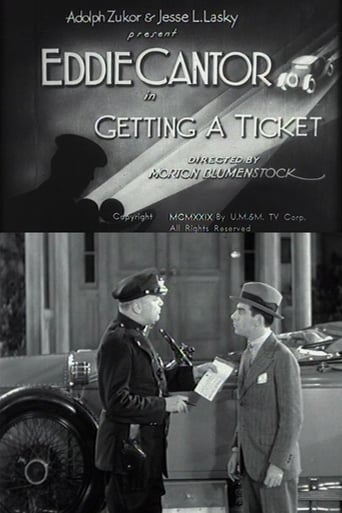
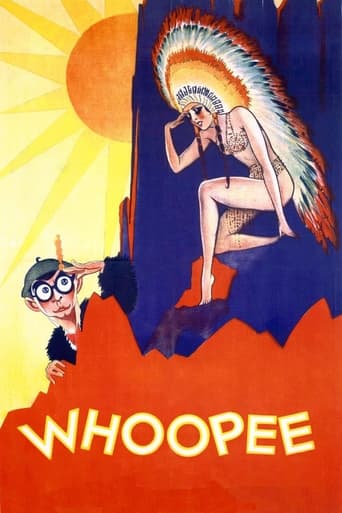
About Eddie Cantor
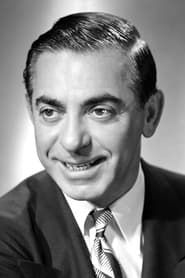
Eddie Cantor, born Edward Israel Iskowitz, rose from humble beginnings in New York's Lower East Side to become one of America's most beloved entertainers of the early 20th century. After losing both parents as a child and being raised by his grandmother, Cantor began his career in vaudeville as a teenager, quickly gaining recognition for his energetic performance style and comedic timing. He achieved stardom as a featured performer in the Ziegfeld Follies from 1917 to 1919, where he developed his signature persona combining physical comedy, sentimental songs, and rapid-fire patter. Cantor successfully transitioned from silent films to talkies, starring in numerous musical comedies throughout the 1920s and 1930s that showcased his unique talents. He became a radio pioneer with his immensely popular show 'The Eddie Cantor Show,' which ran for nearly two decades and made him one of the highest-paid entertainers of his time. Beyond entertainment, Cantor — dedicated philanthropist who co-founded the March of Dimes and used his celebrity status to raise millions for polio research. His over five decades across vaudeville, Broadway, film, radio, and early television, establishing him as a true multimedia entertainment icon whose influence extended well beyond his passing in 1964.
The Craft
On Screen
Cantor's acting style was characterized by high-energy physical comedy, expressive facial contortions that earned him the nickname 'Banjo Eyes,' and a frantic, almost manic delivery that captivated audiences. He specialized in playing the lovable underdog or anxious everyman, often incorporating sentimental ballads with his comedy routines. His performances blended slapstick humor with pathos, allowing him to seamlessly transition from raucous comedy to heartfelt emotional moments within the same scene. Cantor's distinctive speaking style featured rapid-fire dialogue, Yiddish-inflected expressions, and a nervous energy that became his trademark.
Milestones
- Star of Ziegfeld Follies (1917-1919, 1923, 1927)
- Successful transition from silent films to talkies
- Hosted popular radio show 'The Eddie Cantor Show' (1931-1954)
- Co-founded the March of Dimes charity
- Received an Honorary Academy Award in 1956
- Published several bestselling books including 'My Life Is in Your Hands'
- Appeared in early television specials in the 1950s
Best Known For
Iconic Roles
Must-See Films
Accolades
Won
- Honorary Academy Award (1956) - For service to the film industry
- Special Tony Award (1955) - For contributions to the theatre
- Peabody Award (1949) - For excellence in radio broadcasting
Nominated
- Academy Award nomination for Best Original Song (1935) - 'Love in Bloom' from 'Here Comes the Band'
- Emmy Award nomination for Best Comedian (1956)
Special Recognition
- Hollywood Walk of Fame star (Radio category)
- Grammy Hall of Fame induction for 'Makin' Whoopee'
- Songwriters Hall of Fame induction
- International Jewish Sports Hall of Fame - for humanitarian contributions
Working Relationships
Worked Often With
Studios
Why They Matter
Impact on Culture
Eddie Cantor revolutionized American entertainment by successfully bridging multiple media formats and establishing the template for the modern multimedia celebrity. As one of the first Jewish entertainers to achieve mainstream success without changing his name or hiding his heritage, Cantor helped break down barriers for future generations of minority performers. His radio show pioneered the format of variety programming that would dominate American broadcasting for decades, while his film work helped establish the musical comedy as a Hollywood staple. Cantor's philanthropic work with the March of Dimes demonstrated how celebrity influence could be harnessed for social good, setting a precedent for modern celebrity activism. His catchphrases and songs became part of the American cultural lexicon, with 'Makin' Whoopee' remaining a jazz standard decades after its introduction.
Lasting Legacy
Eddie Cantor's legacy endures through his contributions to American entertainment and his lasting impact on subsequent generations of performers. He established the archetype of the singing comedian that would influence countless entertainers from Bing Crosby to Robin Williams. His successful navigation of vaudeville, Broadway, film, radio, and television created a blueprint for the modern entertainment career that remains relevant today. The March of Dimes charity he co-founded continues its vital work in preventing birth defects and infant mortality. Cantor's extensive filmography, though some titles are now lost, preserves his unique comedic style and musical talents for future generations to study and enjoy. His induction into multiple halls of fame and the continued performance of his songs testify to his enduring cultural significance.
Who They Inspired
Eddie Cantor's influence extends across multiple generations of entertainers, particularly in his development of the singing comedian archetype that would be adopted by stars like Danny Kaye and Jerry Lewis. His rapid-fire comedic delivery and physical comedy techniques inspired early television comedians including Milton Berle and Sid Caesar. The way Cantor seamlessly blended sentiment with comedy influenced performers like Bob Hope and Jack Benny. His success in radio helped establish the format that would be adopted by future variety show hosts. Many Jewish entertainers who followed, including Mel Brooks and Jerry Seinfeld, benefited from the path Cantor blazed in maintaining cultural identity while achieving mainstream success. His business acumen and understanding of brand management anticipated the modern approach to celebrity marketing and cross-platform entertainment.
Off Screen
Eddie Cantor married Ida Tobias in 1914, and their marriage lasted 50 years until his death in 1964. The couple had five daughters: Marjorie, Natalie, Edna, Marilyn, and Janet, all of whom were named with names starting with 'M' or 'N' to match Cantor's own initial. Cantor was deeply devoted to his family and often incorporated stories about his wife and daughters into his performances. Despite his celebrity status, he maintained a relatively private personal life and was known for his strong family values. His daughter Marjorie married actor Robert Clary, and daughter Natalie married actor/producer Stanley Kramer. Cantor — practicing Jew throughout his life and maintained strong ties to the Jewish community while appealing to audiences of all backgrounds.
Education
Public schools in New York City, left school after 8th grade to work full-time in vaudeville
Family
- Ida Tobias (1914-1964)
Did You Know?
- His eyes would bulge when he sang, earning him the nickname 'Banjo Eyes'
- He was one of the first celebrities to have his own radio show
- Cantor — founding member of the Screen Actors Guild
- He appeared in the first Hollywood film with an all-star cast, 'The Hollywood Revue of 1929'
- His daughter Marilyn was kidnapped in 1937 but returned safely
- He wrote his autobiography 'My Life Is in Your Hands' in 1957
- Cantor — close friend of President Franklin D. Roosevelt
- He appeared in over 30 films throughout his career
- His radio show was once heard by one-third of American households
- He was the first entertainer to earn $1 million in a single year
- Cantor's catchphrase 'One, two, three, four!' became a national sensation
- He was an early advocate for civil rights and refused to perform in segregated venues
In Their Own Words
'A wedding is a funeral where you smell your own flowers.'
''Tain't what you do, it's the way thatcha do it.'
'I have no money, no resources, no hopes. I am the happiest man alive.'
'A holiday is a day that, except for fishing, is a total waste of time.'
'I don't want to belong to any club that would accept me as one of its members.'
'My wife and I were happy for twenty years. Then we met.'
'The trouble with the world is that the stupid are cocksure and the intelligent are full of doubt.'
Frequently Asked Questions
Who was Eddie Cantor?
Legendary American entertainer who achieved fame as a comedian, singer, with credits in this catalog. He was known for his energetic performances, bulging eyes that earned him the nickname 'Banjo Eyes,' and his successful career spanning vaudeville, Broadway, film, and radio. Cantor was also a dedicated philanthropist who co-founded the March of Dimes charity.
What films is Eddie Cantor best known for?
Titles linked here include The Kid from Spain (1932), Roman Scandals (1933).
When was Eddie Cantor born and when did he die?
Born January 31, 1892; died October 10, 1964.
What awards did Eddie Cantor win?
Eddie Cantor received an Honorary Academy Award in 1956 for his service to the film industry, a Special Tony Award in 1955 for his contributions to theatre, and a Peabody Award in 1949 for excellence in radio broadcasting. He has also been inducted into the Songwriters Hall of Fame and has a star on the Hollywood Walk of Fame.
What was Eddie Cantor's acting style?
Eddie Cantor's acting style was characterized by high-energy physical comedy, expressive facial contortions, rapid-fire dialogue delivery, and a nervous, frantic energy that became his trademark. He specialized in playing lovable underdogs and often incorporated sentimental songs with his comedy routines, seamlessly transitioning between raucous humor and heartfelt emotional moments.
How did Eddie Cantor contribute to charity?
Dedicated philanthropist who co-founded the March of Dimes in 1938 to fight polio. He used his radio show and celebrity status to raise millions of dollars for polio research and treatment, personally contributing significant amounts and encouraging other celebrities to participate. His efforts helped develop the polio vaccine and established him as one of Hollywood's most charitable figures.
What was Eddie Cantor's impact on radio?
Radio pioneer whose show 'The Eddie Cantor Show' ran from 1931 to 1954 and was. At its peak, his show was heard by one-third of American households, making him. He helped establish the variety show format that would dominate radio and early television for decades.