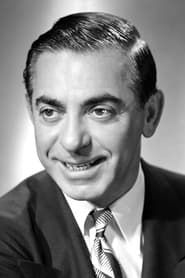
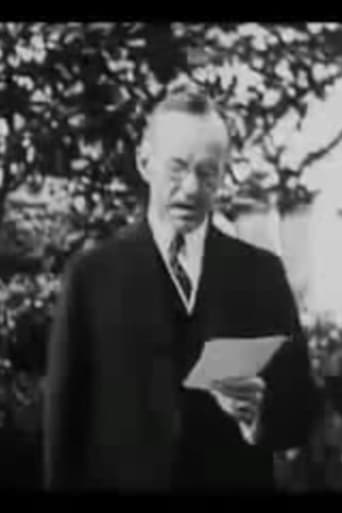
A Few Moments with Eddie Cantor
"The Dumber They Are, the Better I Like 'Em,"
Keys: Space play/pause · ←/→ 10s · F fullscreen · M mute · </> speed
About this film
Early sound film featuring comedian Eddie Cantor.
Cast & crew
More from Lee De Forest
View all →
More about this film
About the production
Release date1923
ProductionDe Forest Phonofilm Corporation
Filmed inNew York City, New York
This film was produced as part of Lee De Forest's Phonofilm series, which demonstrated his groundbreaking sound-on-film technology. The recording process used a variable-density optical soundtrack printed directly onto the film strip, a significant innovation over earlier sound-on-disc systems. Eddie Cantor was one of several popular entertainers De Forest filmed to showcase the commercial potential of his technology. The production was likely filmed in a controlled studio environment to maximize sound quality, as early sound recording was extremely sensitive to ambient noise. The film represents an important collaboration between technological innovation and established entertainment talent.
Themes
Technological innovationEntertainment evolutionPerformance captureAudio-visual synchronization
Themes & topics
Historical background
A Few Moments with Eddie Cantor (1923) emerged during the silent-film era. Early sound film featuring comedian Eddie Cantor. Archival records and catalog entries help place the work within film-history surveys of the period.
Why this film matters
Preserved under Wikidata ID Q4656716, A Few Moments with Eddie Cantor is valued as a comedy within catalog and archive collections. Wikipedia's "A Few Moments with Eddie Cantor" entry connect it to broader histories of cinema exhibition and restoration.
Making of
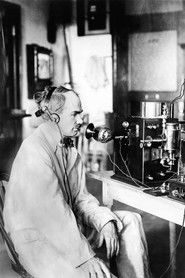
The making of 'A Few Moments with Eddie Cantor' represented a significant moment in cinema history, bridging the gap between silent film and the coming sound revolution. Lee De Forest, having invented the Phonofilm process, was eager to demonstrate its commercial viability by capturing popular entertainers of the day. Eddie Cantor, already a Broadway and vaudeville sensation, was an ideal subject for this demonstration. The filming process would have been challenging by modern standards - Cantor would have needed to perform close to a large, cumbersome microphone while being filmed, with minimal room for movement. The recording equipment was primitive by later standards, and any mistakes would require a complete retake as editing capabilities were extremely limited. De Forest personally oversaw many of these early recordings, and his team worked to perfect the synchronization of image and sound, which was still a novel achievement in 1923.
What critics said
Trade and archival sources offer limited day-one review coverage for A Few Moments with Eddie Cantor. Modern reception rests on its availability in collections, repertory screenings, and reference works that document 1923 cinema.
Did you know?
- This film was created using Lee De Forest's Phonofilm process, which was one of the first successful sound-on-film technologies
- The film predates 'The Jazz Singer' (1927) by four years, making it part of the very first wave of sound films
- Lee De Forest filmed over 200 short Phonofilms between 1923-1927 featuring various performers
- Eddie Cantor was already a major star when this film was made, having achieved fame in vaudeville and on Broadway
- The Phonofilm process used a variable-density optical soundtrack, different from the later variable-area systems that became standard
- De Forest's technology was initially met with skepticism by major Hollywood studios, who were heavily invested in silent film production
- Many of De Forest's early Phonofilms, including this Cantor short, were shown in vaudeville theaters rather than traditional cinemas
- The film was likely shot at De Forest's small studio at 311 East 47th Street in New York City
- Eddie Cantor would later become a major star in sound films, making this an early example of his transition to the new medium
- The preservation status of this specific short is unknown, as many early Phonofilms have been lost over time
Visual style
The cinematography of this early sound short would have been constrained by the technical limitations of the Phonofilm process. The camera was likely stationary to minimize noise from camera movement, and lighting would have been designed to accommodate both visual and audio recording requirements. Early sound cameras were noisy, so they were often placed in soundproof booths, limiting camera movement and angles. The visual style would have been straightforward and functional, focusing on clearly capturing Cantor's performance rather than artistic cinematography. The film stock used would have been standard for the period, and the visual quality would reflect the technology available in 1923.
Innovations
The primary technical achievement of this film was its use of Lee De Forest's Phonofilm process, which was among the first successful sound-on-film systems. This technology recorded audio as a variable-density optical track directly on the film strip, allowing for perfect synchronization of sound and image. The process used a photoelectric cell to convert sound waves into electrical signals, which were then recorded photographically on the film. This represented a major advancement over earlier sound-on-disc systems that required separate audio records and were prone to synchronization problems. The Phonofilm process, while not ultimately commercially successful, demonstrated the viability of sound-on-film technology and influenced later developments in cinema sound.
Music
The soundtrack was the most innovative aspect of this film, created using Lee De Forest's Phonofilm process which recorded sound directly onto the film strip as a variable-density optical track. This represented a significant advance over earlier sound-on-disc systems which required separate synchronization of audio and visual elements. The audio would capture Cantor's voice and possibly musical accompaniment, though the quality would be primitive by modern standards. The Phonofilm process could record frequencies up to about 4,000 Hz, limiting the fidelity compared to later sound systems. Background noise and technical limitations were common in these early recordings, but the technology was groundbreaking for its time.
Memorable scenes
- The entire short film consists of Eddie Cantor's performance, captured in a single take or minimal cuts due to the technical limitations of early sound recording. Cantor would have delivered his signature comedic monologue or song directly to the camera, using the exaggerated gestures and expressive style that made him famous on stage. The scene represents one of the earliest captures of a major entertainer's performance in synchronized sound, making every moment historically significant.
What audiences thought
Audiences in 1923 were reportedly fascinated and amazed by early Phonofilms, as synchronized sound was still a novelty to most moviegoers. The chance to hear and see popular entertainers like Eddie Cantor in what amounted to an early form of music video was a significant draw. These shorts were often shown in vaudeville theaters as part of mixed bills, capitalizing on audiences' familiarity with live performance. The novelty of sound alone was often enough to generate audience interest, even with the technical limitations of early recording. Contemporary accounts suggest viewers were particularly impressed by the clarity of Cantor's voice and the synchronization of his performance with the soundtrack.
Film connections
Influenced by
- Vaudeville performance tradition
- Stage entertainment formats
- Radio broadcasting techniques
This film influenced
- Later Phonofilm shorts
- Early sound experiments
- Sound musical shorts
- Early talkies
Film restoration
The preservation status of this specific Eddie Cantor Phonofilm is uncertain. Many of De Forest's early Phonofilms have been lost over time due to the unstable nature of early film stock and lack of preservation efforts. However, some Phonofilms have survived in archives such as the Library of Congress and the UCLA Film & Television Archive. The film may exist in incomplete form or only as fragments, which is common for shorts of this era. Restoration efforts for surviving Phonofilms continue, as they represent crucial artifacts of cinema history.
Where to watch
- Due to the age and rarity of this film, it may be available through film archives specializing in early cinema, such as the Library of Congress, UCLA Film & Television Archive, or the Museum of Modern Art's film collection. Some early Phonofilms have been included in documentary collections about the history of cinema or in special screenings at film archives and museums dedicated to film preservation. Online archives specializing in public domain or historical films may occasionally feature similar early sound shorts, though the specific availability of this Cantor short would depend on its preservation status and copyright considerations.