Billie Dove
Actor
Born: May 14, 1903 in New York City, New York, USA Died: December 31, 1997 Active: 1921-1932 Birth Name: Lillian Bohny
Films
3 films
About Billie Dove
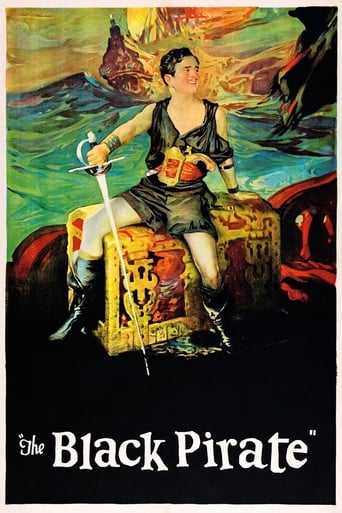
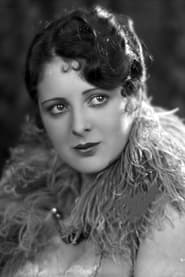
Billie Dove was popular and highest-paid silent film actresses of the 1920s, known for her stunning beauty and romantic leading roles. Born Lillian Bohny, she began her career as a model and dancer before being discovered by Florenz Ziegfeld, becoming a Ziegfeld Follies girl. Her film career took off in the early 1920s, and by 1926 she was a major star commanding salaries of over $3,000 per week. She reached the pinnacle of her fame starring opposite Douglas Fairbanks in 'The Black Pirate' (1926), ambitious and expensive silent films ever made. While she successfully transitioned to talkies, her popularity waned in the early 1930s, leading to her retirement from acting in 1932. After leaving Hollywood, she focused on her family and business interests, though she remained a beloved figure among classic film enthusiasts until her death at age 94.
The Craft
On Screen
Billie Dove was known for her naturalistic acting style that was ahead of its time for silent cinema. Unlike many of her contemporaries who relied heavily on exaggerated gestures and facial expressions, Dove brought a subtle, understated quality to her performances. Her screen presence was characterized by a delicate balance of vulnerability and strength, making her particularly effective in romantic dramas. She had a remarkable ability to convey complex emotions through minimal movement, using her expressive eyes and gentle smile to connect with audiences. Her dancing background contributed to her graceful physicality on screen, while her modeling experience gave her an innate understanding of camera angles and lighting.
Milestones
- Discovered by Florenz Ziegfeld and became a Ziegfeld Follies girl
- Breakthrough role in 'The Painted Angel' (1921)
- Signed lucrative contract with First National Pictures
- Starred opposite Douglas Fairbanks in 'The Black Pirate' (1926)
- Became one of the highest-paid actresses of the silent era
- Successfully transitioned to talkies with early sound films
- Retired from acting in 1932 to focus on family
Best Known For
Iconic Roles
Must-See Films
Accolades
Won
- Hollywood Walk of Fame Star (1960)
Special Recognition
- Hollywood Walk of Fame Star located at 6517 Hollywood Boulevard
- Featured in Turner Classic Movies' 'Silent Stars' documentary series
- Honored at several classic film festivals and retrospectives
Working Relationships
Worked Often With
Studios
Why They Matter
Impact on Culture
Billie Dove represented the ideal of feminine beauty and sophistication during the golden age of silent cinema. Her success as a leading lady helped pave the way for future actresses to demand higher salaries and better working conditions in Hollywood. As one of the few actresses to successfully transition from silent films to talkies, she demonstrated that screen presence and acting ability could transcend the technical limitations of early cinema. Her role in 'The Black Pirate' remains significant in film history as an example of early Technicolor experimentation and adventure filmmaking. Dove's career trajectory also illustrates the challenges many silent stars faced with the advent of sound, making her story representative of this pivotal era in Hollywood history.
Lasting Legacy
Billie Dove's legacy endures through her surviving films and the impact she had on Hollywood's Golden Age. She is remembered as. Her star on the Hollywood Walk of Fame ensures her permanent place in Hollywood history. Film historians often cite her as an example of an actress who successfully balanced commercial appeal with artistic integrity. Her story serves as an important chapter in the history of women in early Hollywood, demonstrating both the opportunities and limitations faced by female stars of her era.
Who They Inspired
Billie Dove influenced subsequent generations of actresses through her naturalistic acting style and professional approach to filmmaking. Her success in both dramatic and light comedy roles showed the versatility possible for leading ladies in Hollywood. Her ability to command high salaries helped establish precedents for fair compensation in the industry. Many later actresses, particularly those transitioning from modeling or dancing to acting, followed the career path Dove had pioneered. Her work in adventure films like 'The Black Pirate' helped establish the template for strong female characters in action cinema.
Off Screen
Billie Dove had a colorful personal life that included high-profile relationships and two marriages. She was romantically involved with aviation pioneer and film producer Howard Hughes for several years in the late 1920s, with Hughes reportedly obsessed with her and even buying her a home. In 1933, she married oil executive Robert Kenaston, with whom she had a son, Robert. After Kenaston's death, she married architect Irwin Roseman in 1970. Despite her Hollywood fame, Dove maintained a relatively private life after her retirement, focusing on her family and investments. She was known for her intelligence and business acumen, having invested wisely during her peak earning years.
Education
Attended public schools in New York City; received additional training in dance and acting through her work with the Ziegfeld Follies
Family
- Robert Kenaston (1933-1958)
- Irwin Roseman (1970-1997)
Did You Know?
- Was discovered by Florenz Ziegfeld while working as a model in New York
- Her salary at the peak of her career was $3,000 per week - equivalent to over $50,000 today
- Howard Hughes was so obsessed with her that he bought a theater just to show her films
- She was one of the first actresses to successfully negotiate profit participation in her contracts
- Her real name Lillian Bohny was changed to Billie Dove by a studio executive
- She was a skilled pilot and often flew herself to film locations
- Retired from acting at the height of her fame to focus on her family
- Was
- She was known for refusing to do her own stunts, unlike many silent film stars
- Her autobiography was planned but never completed before her death
In Their Own Words
I never wanted to be just a pretty face. I wanted to be an actress who could make people feel something.
The transition to sound was difficult for many of us, but acting is acting whether you speak or not.
Howard was brilliant but obsessive. He wanted to own everything he loved, including people.
I left Hollywood because I wanted a real life, not just the illusion of one on screen.
Frequently Asked Questions
Who was Billie Dove?
Prominent American silent film actress who became one of the highest-paid stars of the 1920s. Born Lillian Bohny, she was discovered by Florenz Ziegfeld and became a Ziegfeld Follies girl before transitioning to films. She was known for her beauty, natural acting style, and romantic leading roles opposite major stars like Douglas Fairbanks.
What films is Billie Dove best known for?
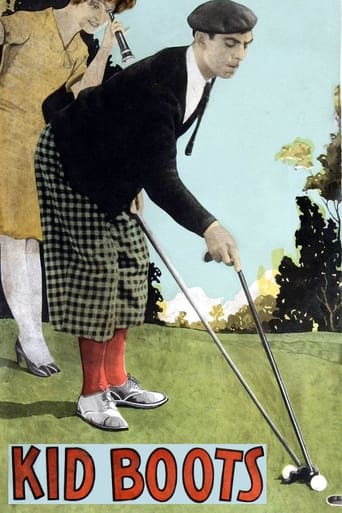
Titles linked here include The Black Pirate (1926), Kid Boots (1926).
When was Billie Dove born and when did she die?
Born May 14, 1903; died December 31, 1997.
What awards did Billie Dove win?
While Billie Dove did not receive major film awards during her active years, she was honored with a star on the Hollywood Walk of Fame in 1960. Her greatest recognition came from her status as one of the highest-paid and most popular actresses of the silent era, earning her a permanent place in Hollywood history.
What was Billie Dove's acting style?
Billie Dove was known for her naturalistic and understated acting style, which was ahead of its time for silent cinema. Unlike many contemporaries who used exaggerated gestures, Dove conveyed emotion through subtle expressions and minimal movement. Her screen presence combined vulnerability with strength, making her particularly effective in romantic dramas.